近代以来的汉语术语学研究
2008-03-24 01:17:32温昌斌
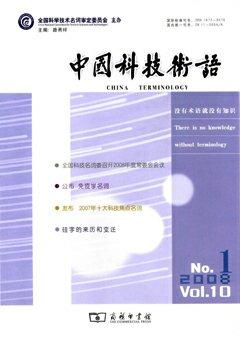
中国科技术语
2008年1期
摘 要:近代以来的汉语术语学研究以改革开放为界,分成两个阶段。第一阶段,研究术语规范中的实践问题,如术语翻译方法、术语定名要求。第二阶段,汉语术语学研究方向多样化,除了术语规范中的实践问题外,还有术语学基本问题、教育及学科建设问题等。在第二阶段,开始借鉴国外术语学理论,术语学教育起步,专业研究机构出现。
关键词:近现代中国,汉语,术语学研究
Abstract:Chinese terminology research since late Qing Dynasty can be divided into two stages:before the reform and opening up and after the reform and opening up. In the first stage,Chinese terminology paid attention to practical problems such as translation methods of scientific terms and principles of translated term. In the second stage,in addition to paying attention to practical problems,it researched basic items,education and subject construction. In this stage,it began to use overseas theory for reference. Terminology education started and special research institute appeared in this stage.
Key words:modern and contemporary China,Chinese,terminology research
国外术语学创立于上世纪30年代,到了上世纪70年代,已发展成为一门独立的综合学科。而目前作为一门独立学科的汉语术语学,尚在建设之中。不过,汉语术语学研究,在清末就已形成一定气候。
一 从清末到改革开放前夕的汉语术语学研究
(一)清末的术语学研究
从明末起,西方先进科学技术开始大规模输入中国,输入的主要途径是翻译。术语的翻译是个棘手的问题。到了清末,译名混乱现象较为严重,因此,时人开始重视译名统一问题。清末的术语学研究,由译名统一问题引起,主要是关于术语翻译方法和术语定名要求的讨论。
1.关于术语翻译方法
把外文术语翻译成汉语,有意译、音译、造字等方法。翻译方法不一致,是造成译名混乱的原因之一。对不同翻译方法的全面认识,有助于术语翻译方法的选择。
在清末,国人高凤谦、严复、梁启超及来华西人傅兰雅等讨论过术语的翻译方法,以傅、梁二人提出的观点最为成熟。
傅兰雅指出,中国人最喜欢的翻译方法是译意,其次是造形声字,再次是译音。……
登录APP查看全文