基于ISM的农产品价格波动的影响因素分析
2014-05-07 17:46:07付莲莲邓群钊周利平等
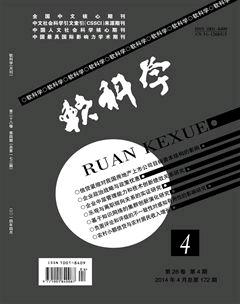
软科学
2014年4期
付莲莲 邓群钊 周利平等
摘要:通过成分分解方法探讨21世纪以来国内农产品价格波动的趋势性、周期性和随机性并构建解释结构模型,分解出影响因素间的层次结构。结果表明:国内农产品价格总体呈上涨趋势,21世纪以来国内农产品价格波动经历了4个周期,呈现出从相对平稳到小幅度波动、最后到急剧波动的变化轨迹,价格波动的随机性也越来越强。农产品供求关系、货币供应量等是表层、趋势周期性因素;生物质能源等因素是中层、趋势性因素;自然灾害等因素是根源、随机因素。
关键词:农产品价格;波动;解释结构模型;中介效应;成分分解方法
中图分类号:F323 文献标识码:A 文章编号:1001-8409(2014)04-0112-05
Abstract: Analyzing the trend, periodicity and randomness of price fluctuation for domestic agricultural products in the 21st century by component decomposition method, it then decomposes the hierarchy between the factors based on the interpretative structural model. The results show that price shows an upward trend. Since the 21st century price volatility has experienced four periods, from relatively stable to small fluctuations, finally to the volatility and randomness is becoming stronger and stronger. Supply and demand of agricultural products, money supply is superficial, trend and periodic factors. Biomass energy and other factors are midlevel trend factors and natural disasters and other factors are deep roots.
Key words: price of agricultural product; fluctuation; interpretative structural model; mediator effect; component decomposition method
引言
关于21世纪以来中国农产品价格波动的影响分析,学者们主要从需求拉动、生产成本推动、生物质能发展、国际原油价格和国际农产品价格等不同角度进行分析,也有综合考虑以上因素及汇率、期货价格、货币供应量、投机等因素来研究引起农产品价格波动的原因。中国人民银行课题组认为:总需求是决定我国农产品价格变化的最主要因素[1]。然而,更多学者认为供给因素才是近期农产品价格上涨的主要原因[2],李国祥认为2003年以来农产品价格轮番上涨最基本的原因还是成本推动[3]。卢福财、何文章的研究表明,国际原油价格对大豆和小麦价格影响较大[4]。谷秀娟等的研究发现,在货币供应量、汇率和外汇储备等金融因素的作用下,粮食的金融属性增强[5]。……
登录APP查看全文