
转化生长因子β1联合生长分化因子—5体外诱导骨髓间质干细胞向类髓核细胞分化的实验研究
2015-08-06 15:09:46邢峰马迅
中国医药科学
2015年11期
邢峰 马迅
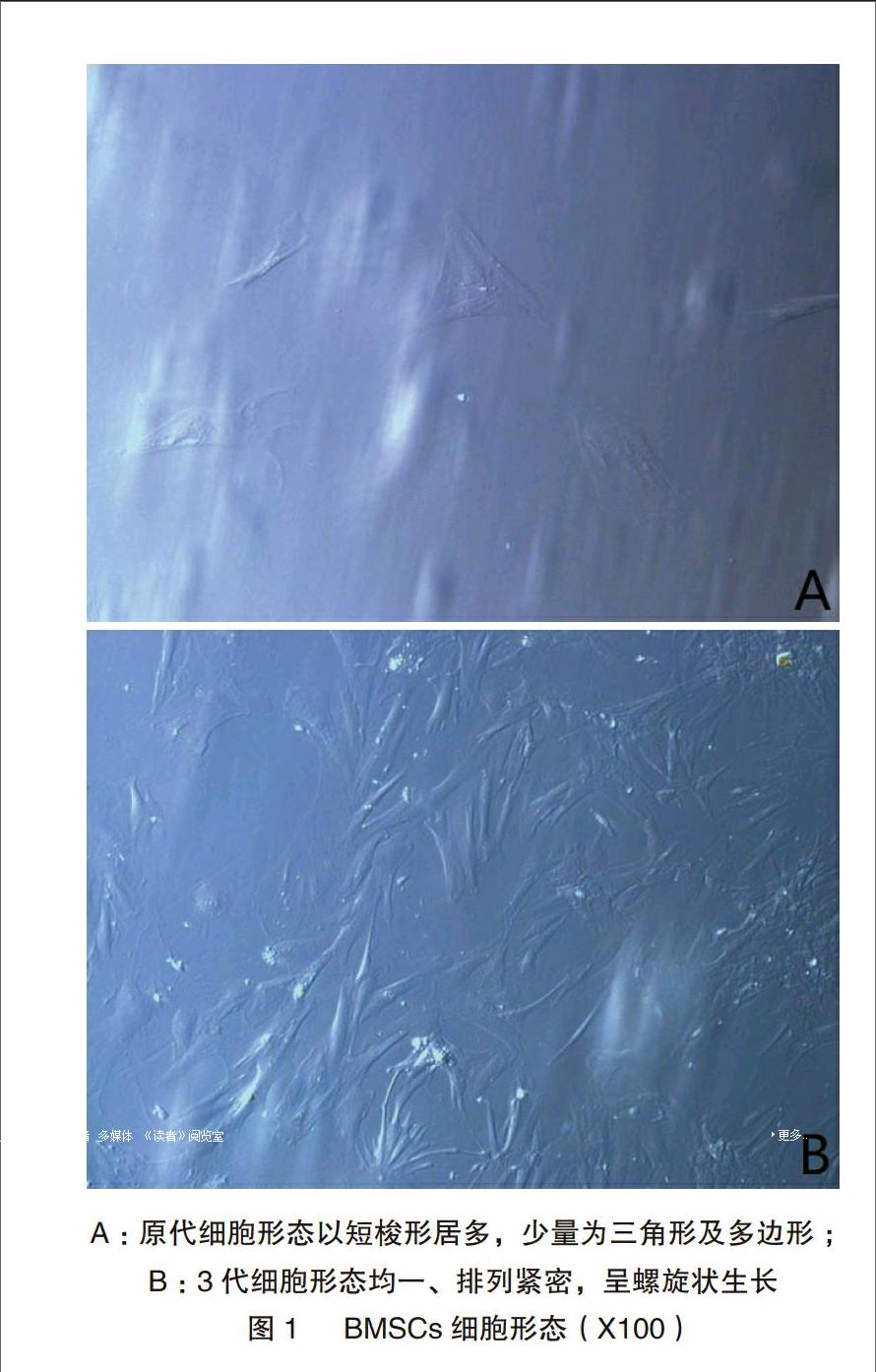
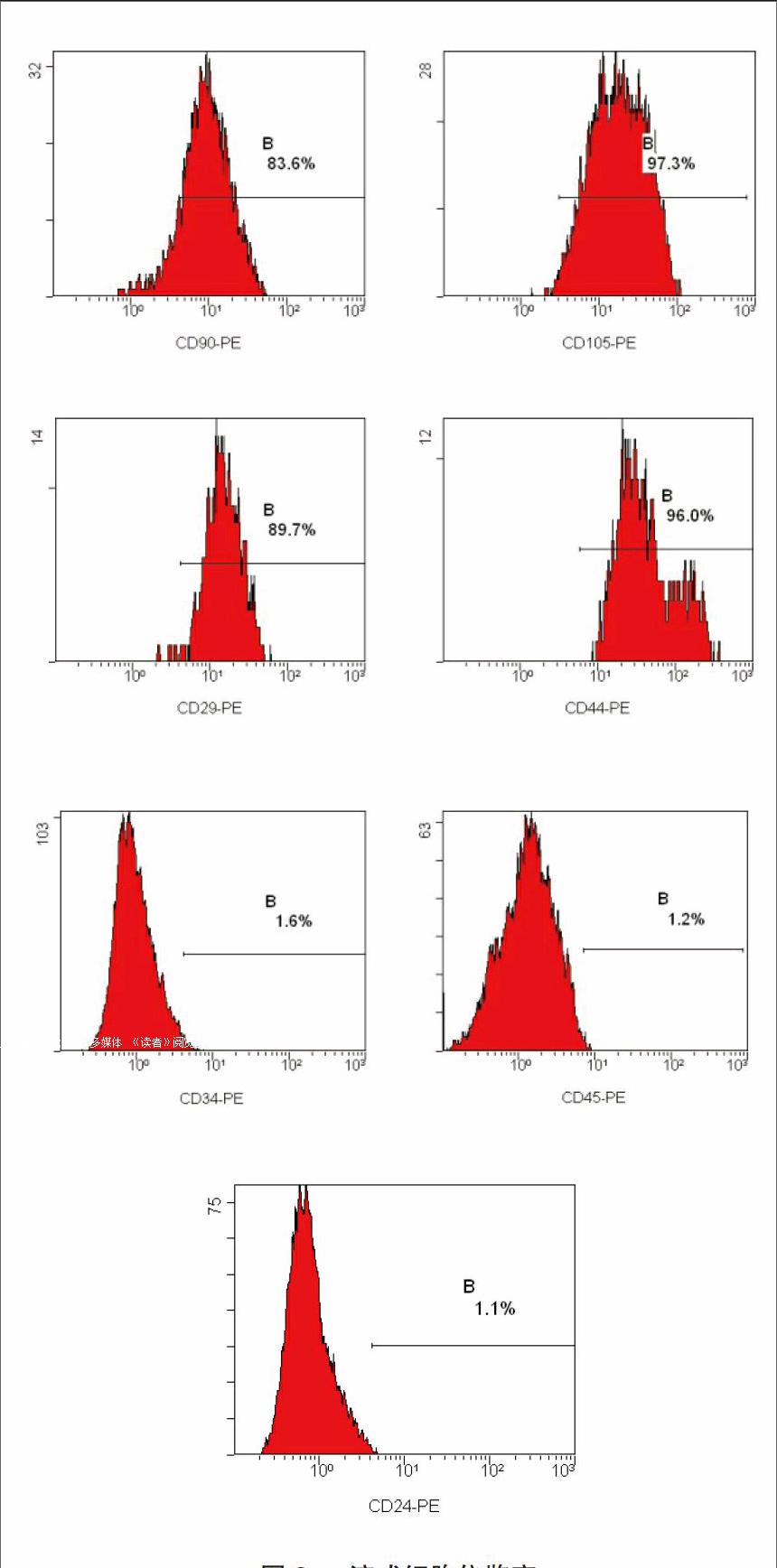
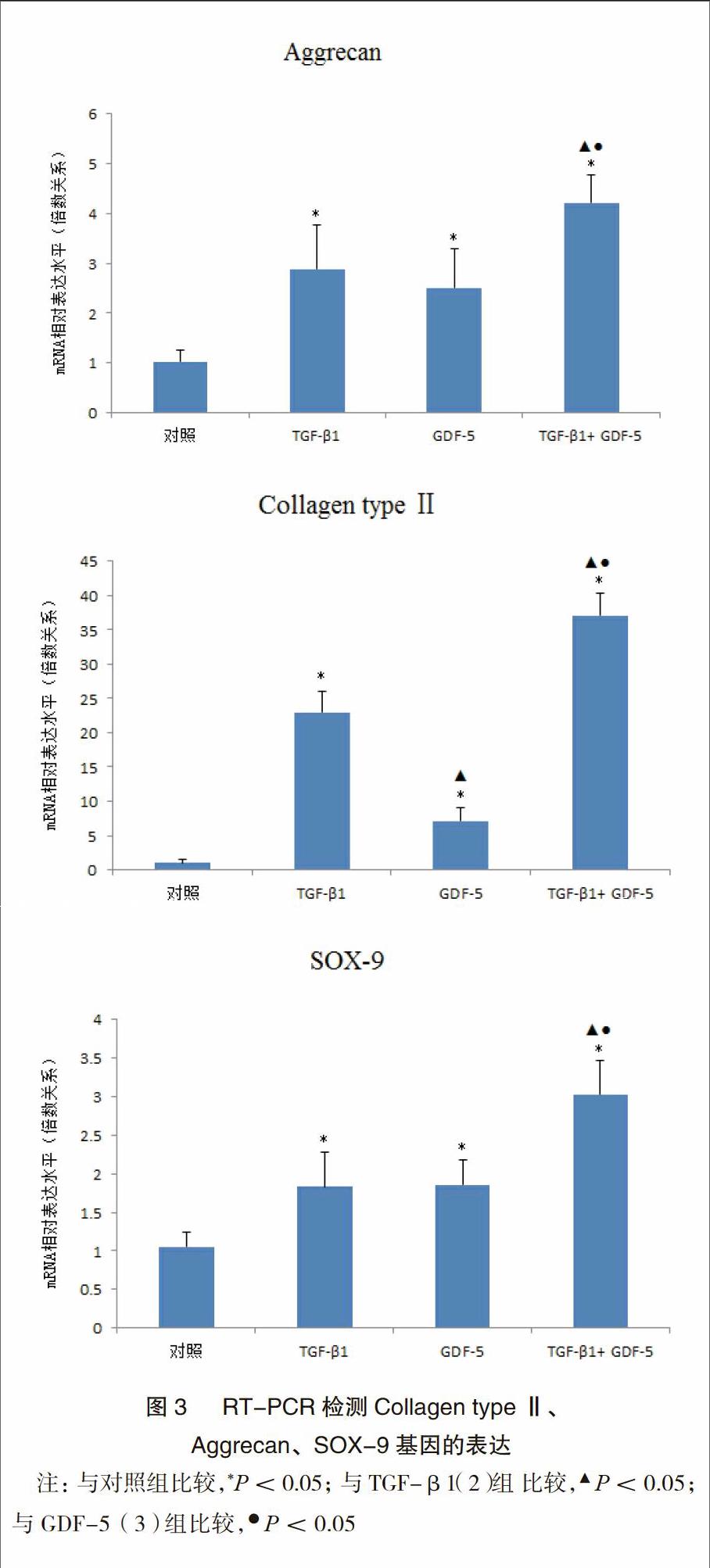
[摘要] 目的 探讨转化生长因子β1联合生长分化因子-5体外诱导骨髓间质干细胞向类髓核细胞分化的可能性。 方法 取SD大鼠骨髓间质干细胞,流式细胞仪检测两种干细胞CD105、CD90、CD44、CD29、CD45、CD34、CD24的表达。将增殖至第三代的BMSCs分为对照、TGF-β1、GDF-5、TGF-β1+ GDF-5四组,分别以含不同细胞因子诱导液培养14d后,采用RT-PCR检测各组细胞Ⅱ型胶原、蛋白多糖、SOX-9基因的表达。 结果 两种干细胞CD105、CD90、CD44、CD29表达阳性; CD45、CD34、CD24表达阴性。向类髓核细胞诱导培养14d后,TGF-β1、GDF-5、TGF-β1与GDF-5三组的Collagen type Ⅱ、Aggrecan、SOX-9基因表达水平较对照组均有明显升高,差异有统计学意义(P<0.05)。联合诱导组经过诱导后的Collagen type Ⅱ、Aggrecan、SOX-9基因表达水平明显高于TGF-β1组及GDF-5组,差异有统计学意义(P<0.05)。 结论 GDF-5与TGF-β1都具有诱导BMSCs向类髓核细胞分化的能力,且二者之间具有协同作用,联合应用可以更好的诱导BMSCs向类髓核细胞分化。
[关键词] 转化生长因子β1;生长分化因子-5;骨髓间质干细胞;类髓核细胞;椎间盘;Ⅱ型胶原
[中图分类号] R329 [文献标识码] B [文章编号] 2095-0616(2015)11-20-05
[Abstract] Objective To explore the possibility of transforming growthβ1 combined with growth differentiation factor-5 inducing bone marrow mesenchymal stem cells to differentiate into nucleus pulposus-like cells. Methods Bone marrow mesenchymal stem cells were taken from Sprague-Dawley rats and flow cytometer was used to detect the expression of CD105, CD90, CD44, CD29, CD45, CD34 and CD24 of two kinds of stem cells. BMSCs proliferating to the third generation were divided into control group, TGF-β1 group, GDF-5 group and TGF-β1+ GDF-5 group. After 14 days' cultivation of inducing medium of different cytokines, RT-PCR were used to detect the expression of collagen typeⅡ, proteoglycan and SOX-9 genes in every group. Results The CD105, CD90, CD44 and CD29 of two kinds of stem cells had positive expressions while CD45, CD34 and CD24 of two kinds of stem cells had negative expressions. After 14 days' inducing cultivation of bone marrow mesenchymal stem cells, gene expression levels of Collagen typeⅡ, Aggrecan and SOX-9 in TGF-β1 group、GDF-5 group and TGF-β1+ GDF-5 group were significantly increased than those in the control group. The difference was statistically significant (P<0.05). The gene expression level of Collagen type Ⅱ, Aggrecan and SOX-9 in TGF-β1+ GDF-5 group were significantly higher than that in TGF-β1 group and GDF-5 group. The difference was statistically significant (P<0.05). Conclusion TGF-β1 and GDF-5 both have the ability to induce bone marrow mesenchymal stem cells to differentiate into nucleus pulposus-like cells and there is synergistic effect between them. The combined application can better induce BMSCs to differentiate into nucleus pulposus-like cells.
[Key words] Transforming growth factor β1; Growth differentiation factor-5; Bone marrow mesenchymal stem cells; Nucleus pulposus-like cells; Intervertebral disk; Collagen type Ⅱ
脊柱退行性疾病是严重危害人类健康和生命
的重要疾病,椎间盘退变(intervertebral disc degenerative diseases,DDD)是其主要的病理改变。传统保守治疗和手术治疗方法只然能缓解临床症状,并不能从根本上缓解椎间盘的退变。近年来随着生物技术的发展,以细胞治疗为基础的生物治疗技术为椎间盘退变性疾病提供了一种新的治疗策略。骨髓间充质干细胞(bone marrow mesenchyme stem cells,BMSCs)具有向多种细胞分化的能力,合适的微环境及环境中相关细胞因子的存在是BMSCs定向分化的前提。转化生长因子β1(transforming growth factor beta 1,TGF-β1)是软骨及髓核组织工程中常用的细胞因子,能够诱导BMSCs 向类软骨细胞和类髓核细胞分化,并且在软骨形成过程中有着重要的作用。生长分化因子-5(growth and differentiation factor-5)也称为软骨源性形态发生蛋白-1(cartilage-derived morphogenetic protein-1,CDMP-1)是骨形态发生蛋白家族中的一员,具有促进软骨形成和发育的能力。……
登录APP查看全文
