基于计算方法的语言规范效力检测初探
2016-05-30 10:48:04饶高琦
语言战略研究
2016年6期
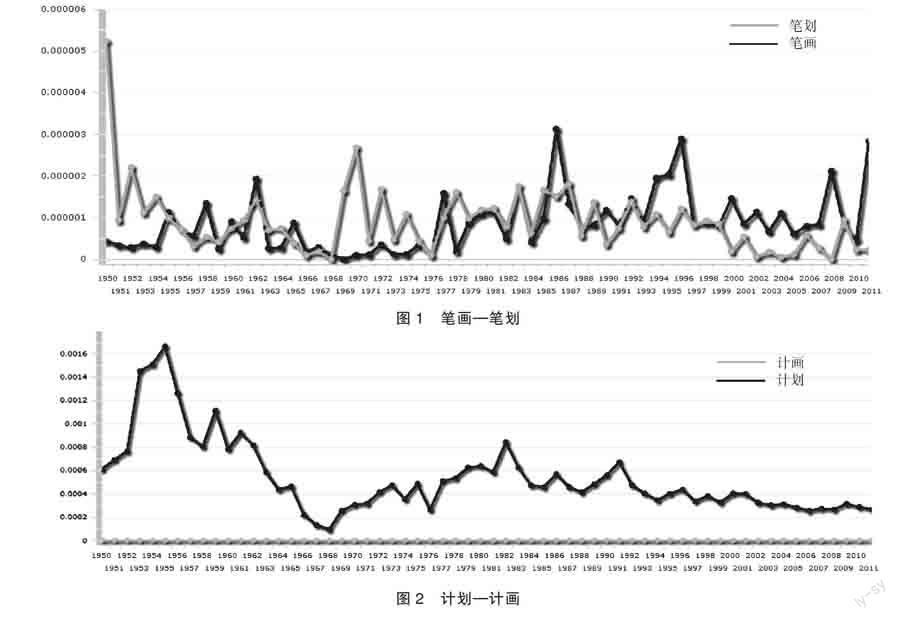

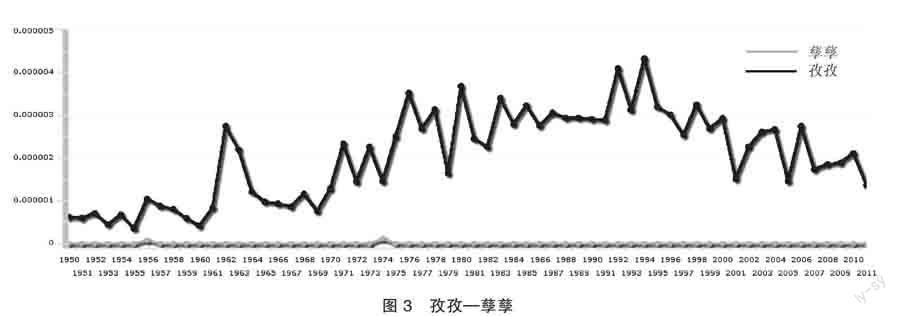
提 要 语言规范实施效力的检测和反馈是语言规划工作中的重要问题。本文对基于计算方法的语言规范效力检测进行了可行性论证,并以异形词整理工作为对象进行了实践。计算结果表明,1949年新中国成立以来的异形词整理工作基础较好,效果显著。本文也探讨了计算方法的适用性以及计算方法视角下人工规范应注意的事项。
关键词 计算方法;效力检测;异形词;语言规范
Abstract The monitoring and measurement of the implementation of language standards have long been a challenging task for language planning. Based on a large-scale Chinese newspaper corpus, this paper attempts to explore the feasibility of a computation-based method in the measurement of language standards in practice. Chinese words with variant forms are taken as a case study, and the tendency of their change from the year 1949 to 2012 has been examined. The statistic results show that for the words with variant forms, the frequency of officially-recognized standard forms is remarkably higher than that of nonstandard forms. Therefore, the computation-based method of monitoring language practice is a promising endeavor. However, the application scope of computational methods and the time window of artificial regulations have to be carefully controlled in the computational analysis.
Key words computational method; effectiveness monitoring; words with variant forms; language standard
一、引 言
语言规范实施效力的检测与反馈是语言政策与规划领域的一大难题。
自然语言在使用时面临内在和外在扰动。内外扰动的结果常表现为一段时间内的无序状态,如一种内容对应多种形式。语言生活中的不少规范问题是由此造成的。异形词不同词形间的混用便是典型例子。自然语言面对内在和外在扰动时,具有规范和调节的能力。这样的规范和调节有的来自其自身,有的来自人工干预。后者主要指各类语言文字规范。而语言规范的过程体现为自然语言遭遇扰动后经过规范而恢复和谐、丰富状态的过程。
语言规范的行为和语言政策本身都是对各种语言变项的选择(戴昭铭 1999;李宇明 2015;伯纳德·斯波斯基 2016)。相比于“雅正观”,这一观念被称为语言规划的“选择观”(李宇明 2015)。基于“选择观”,语言规范的过程可以视作一定时间段和一定领域内不同语言变项间的竞争过程。竞争将通过语言社团集体性的“用口投票”或“用笔(键盘)投票”完成。语言社团的选择在数据上就体现为诸语言变项使用的多寡,从而可以用频率、分布和生命度等计算方法对其进行刻画与分析。……
登录APP查看全文