山西高平清代十二辰相菩萨图像辨析
2016-07-21 06:24:32谷东方
敦煌研究
2016年3期
谷东方
内容摘要:作者在山西高平调查古代壁画时发现两处菩萨与十二元辰、生肖结合的图像,从典籍和图像两方面分析了产生该类菩萨样式的依据,继而探讨其思想内涵。此类菩萨图像为清代出现的新样式,表现了菩萨化作十二辰相住持世间,与周围画面组合成系统的救济图像。这是佛教美术民间化的具体实例。
关键词:山西高平;壁画;十二菩萨;十二元辰;十二生肖
中图分类号:K879.41 文献标识码:A 文章编号:1000-4106(2016)03-0026-09
Abstract: When investigating the ancient murals in Gaoping, Shanxi Province, the author found two groups of images. One group consists of twelve bodhisattvas marked respectively with the twelve Earthly Branches standing for the twelve two-hour periods of the day, and the other consists of twelve bodhisattvas riding the twelve Chinese Zodiac animals. This paper analyzes both the text and iconographical origins of the bodhisattva images and discusses the implications this has for understanding the beliefs of the time. The author believes that these images represent a new style of Buddhist illustration for the Qing dynasty and can be categorized as images of salvation, a specific example of folk Buddhist art.
Keywords: Gaoping, Shanxi; mural; twelve bodhisattvas; twelve two-hour periods; Chinese Zodiac
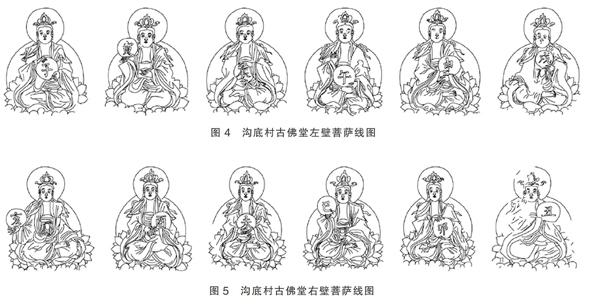
2013年11月至2014年7月,笔者率高平古代壁画考察组对山西省高平地区遗存的所有古代壁画进行拉网式普查{1},期间发现两处将菩萨与十二元辰、生肖结合在一起的壁画,可能为清代佛教图像中新出现的菩萨样式{2}。本文在详细考察的基础上,结合相关典籍记载,参照近似的图像,推测该类菩萨图像创作的依据,然后再探讨其思想内涵。
一 菩萨图像考察
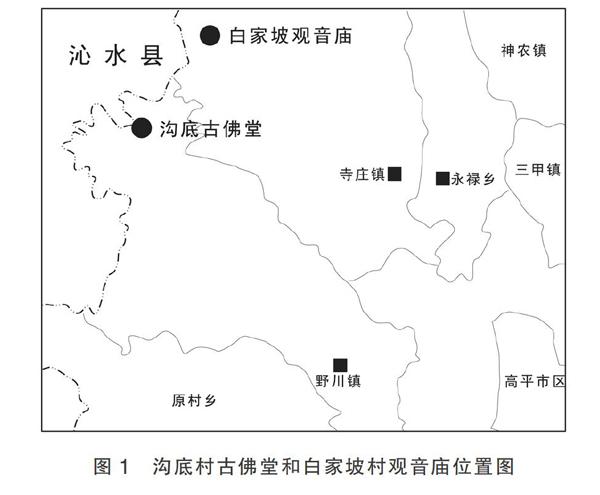
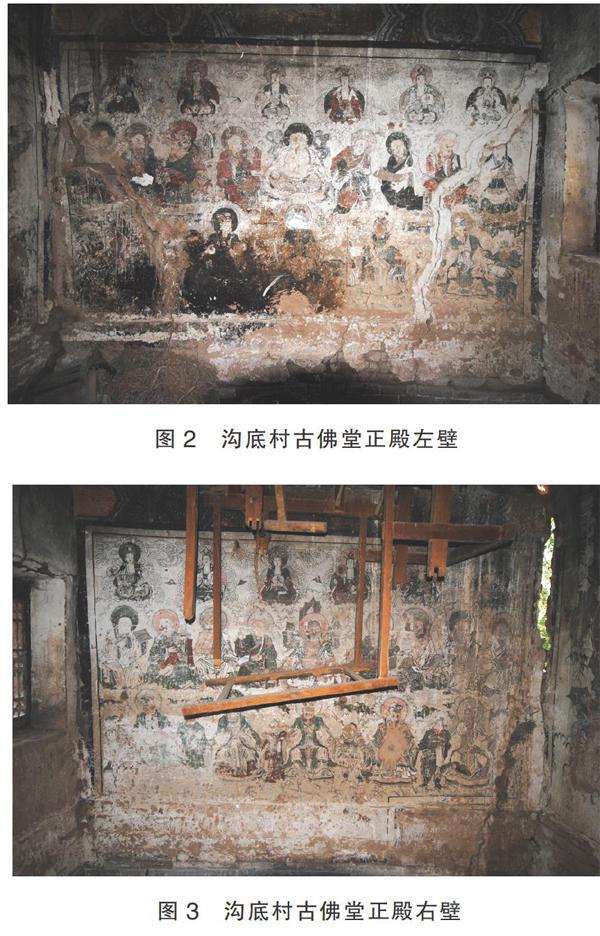
这两处壁画分别位于高平市野川镇沟底村古佛堂正殿和寺庄镇白家坡村观音庙(图1),首先考察庙宇和壁画的现状。
1. 沟底村古佛堂
野川镇沟底村坐落在崇山峻岭中,地处偏僻。古佛堂位于村内的一座小山包顶,庙宇呈四合院式,大门设在院落的左前方,两侧厢房破败不堪,院内杂草丛生。院落前部耸立两层戏楼,上层戏台曾用作大队部,现已废弃,下层现被乡民改作农机修配站。院落后部为正殿及两侧耳房,西耳房现已坍塌,正殿与东耳房内保存着壁画。
正殿面阔三间(468厘米),进深四椽(349厘米),硬山顶,前墙正中设板门,两侧开窗。……
登录APP查看全文