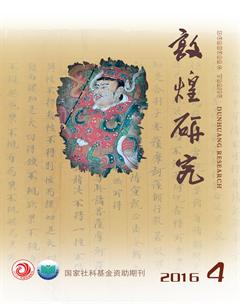
山西中南部北魏晚期至东魏石刻佛像造型分析
2016-11-10 09:27:46黄文智
敦煌研究
2016年4期


内容摘要:山西中南部指以长治为中心的太行山西麓,此地北魏晚期至东魏石刻佛像造型主要吸收了新都洛阳造像因素,也部分地继承了旧都平城佛像特征。这些实例存在多种袈裟形式,体现了浓厚的地域和民间色彩。占主导地位的双领下垂式袈裟佛像,根据袈裟微观表现形式的差异可分为四组,均不同程度受到龙门窟龛佛像造型样式影响。其他袈裟形式佛像在主要吸收洛阳造型因素的同时,还部分延用了大同云冈石窟佛像因素。佛像身高延续洛阳实例比例关系,人体造型均较为清瘦。这些造型特征,反映了该地区匠工倾注心力模仿洛阳造型新风尚的情形。
关键词:山西中南部;北魏晚期至东魏;佛像造型
中图分类号:K879.3 文献标识码:A 文章编号:1000-4106(2016)04-0033-12
Abstract: South-central Shanxi province refers to the west side of the Taihang Mountains centering on Changzhi City, where stone Buddhist statues built in the late Northern Wei and Eastern Wei periods mainly borrowed from the styles of contemporary Luoyang, the new capital of the Northern Wei, while incorporating some elements from the original capital Pingcheng. The cassocks of these stone Buddhas are rich with a diversity of geographic and folk features that indicate the further inheritance of local traditions. The dominant type is a cassock with hanging collars, which can be divided into four groups by the details added to this model, all of which were influenced by the Buddhist styles of the Longmen Grottoes. Other types of cassocks mainly borrowed from the styles of Luoyang while partially absorbing elements originating in the Yungang Grottoes at Datong. The height and proportions borrowed from the Buddha statues of the Longmen Grottoes give the pieces found in Shanxi a distinctively slim look. All the features introduced above reflect the fact that local craftsmen worked largely in imitation of the new Buddhist styles appearing in Luoyang at the time.
Keywords: South-central Shanxi Province; late Northern Wei dynasty to the Eastern Wei dynasty; style of stone Buddhas.
在太原以南的山西中南部地区,尤其以长治为中心的太行山西麓,北魏晚期至东魏时期,一度成为佛教石刻造像的发达区域。单体造像与中小型石窟造像构成该区域石刻造像的基本内容。20世纪50年代,沁县南涅水出土数百件造像塔[1-2],其后在高平、榆社等地陆续发现一批中小型石窟[3-5]。这些造像一方面主要受到北魏新都洛阳因素影响,另一方面呈现浓厚地域和民间色彩(图1)。
然而,半个多世纪过去了,有关山西中南部地区佛教石刻造像,仅见一些简略调查报告,大多未披露详细资料,几乎没有上升到实质性研究层面。为了解该地区佛教造像的基本面貌和发展规律,本稿以数量最多的狭义佛像为研究对象,基于实地调查资料,补充学界披露资料,应用考古类型学与美术史样式论结合的方法分析。……
登录APP查看全文