
基于人机交互的软件开发系统设计研究
2018-01-05 23:58:38张丽霞
软件工程
2017年11期

摘 要:本研究重点探讨人机交互软件开发系统的设计原理,并从人机交互软件系统功能实现原则层面展开深入研究。在此基础上重点分析人机交互软件设计开发的具体形式,以及平台运行稳定性提升的有效方法,结合具体框架结构论述人机交互过程中软件功能与实际情况之间的相互关联,提升人机交互感官体验。
关键词:人机交互;软件开发;平台设计
中图分类号:TP301 文献标识码:A
Abstract:This paper firstly analyzes the design principles of the human-computer interaction software development system,and then conducts in-depth research from the principles of function implementation in the human-computer interaction software development system.On this basis,the paper elaborates on the specific design and development modes of human-computer interaction software,as well as the effective methods to improve the platform stability.Combined with the concrete frame structure,the paper discusses the relevance between software functions and the actual situation in the process of human-computer interaction,which enhances the sensory experience of human-computer interaction.
Keywords:human-computer interaction;software development;platform design
1 引言(Introduction)
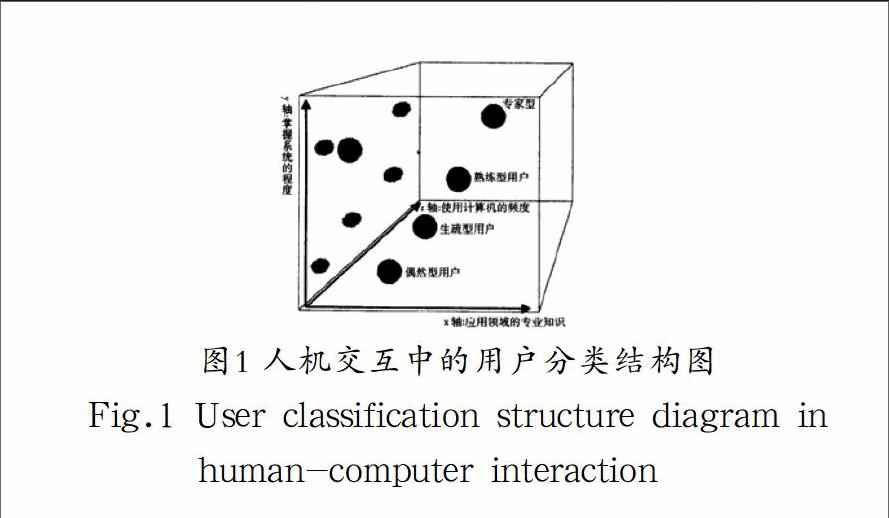
人机交互任务开展前需要进行用户分类,根据功能请求来对用户进行划分,从而实现人机交互功能的基礎构建。用户类型划分属于基础部分,同时也是其中最为关键的部分。在软件平台内可能会同时涉及多项功能的开发使用,用户分类不仅仅体现在使用功能对接,更关系到最终的平台数据库构建。系统在运行期间可以根据计算机的操作习惯来进行,设计任务在此基础上开展,更能够体现出使用者的切实需求,从而提升设计方案的可行性。它是根据计算机软件的操作使用频率,以及用户对软件程序操作使用的娴熟程度来进行现场控制。人机交互软件运行中能够体现出仿真场景,实现构建内容与现场设计方案之间更好的结合。用户分类基础任务实现后,进入到接下来的功能构建实现环节。用户分类结构如图1所示。
2 人机交互平台设计原则(Design principles of
human-computer interaction platform)
2.1 用户控制原则
人机交互过程中使用者应该感受到是在控制计算机,在操作过程中始终处于主导位置,这样所实现的各项功能才不会受到影响,因此在平台开发设计中要体现出以人为本的原则,始终将操作者的使用控制需求放在首要位置。……
登录APP查看全文
