
鄱阳湖九江工业用水区纳污能力研究
2018-02-01 15:15:10杨芳李建裴中平周琴
南水北调与水利科技
2018年6期
杨芳 李建 裴中平 周琴
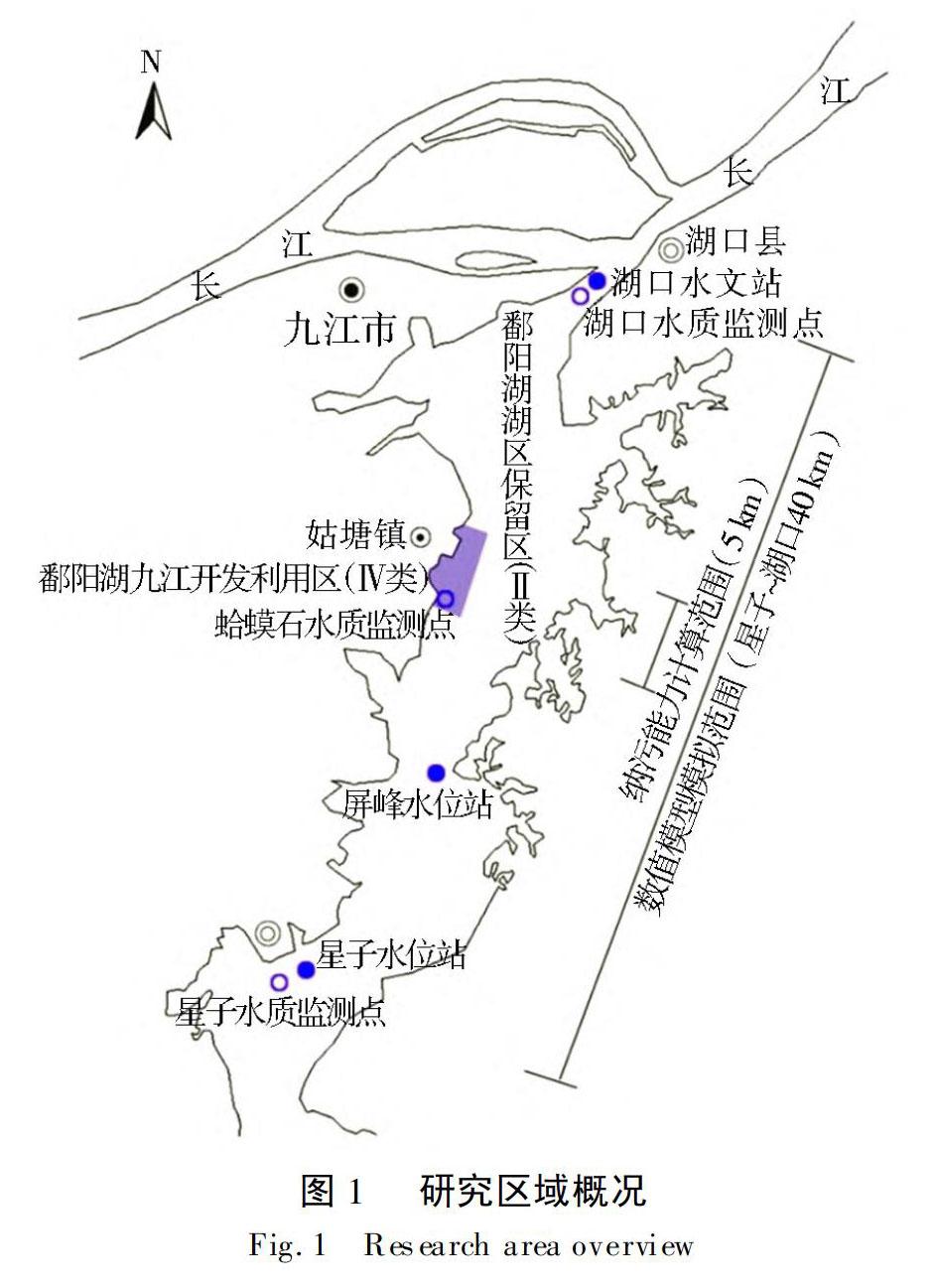
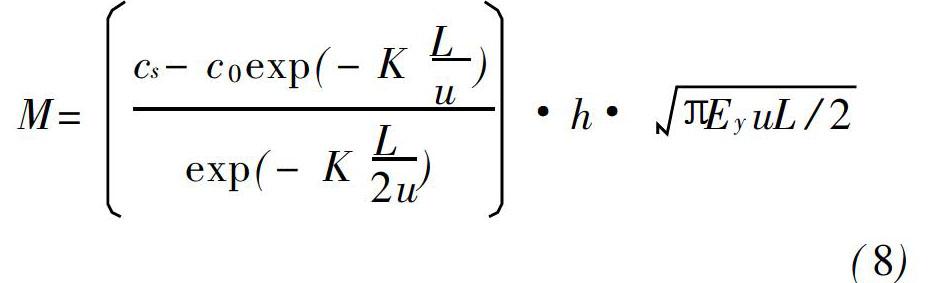

摘要:水功能区水域纳污能力是污染物入河湖总量控制的基础,当前水域纳污能力计算较多使用公式的解析解法,计算结果较为粗略。选取鄱阳湖九江工业用水区作为研究对象,采用解析解法和数值解法相结合的方法对鄱阳湖九江工业用水区纳污能力进行联合求解,利用解析解法计算水域纳污能力初值,再以此作为模型启动条件,通过数值模型对解析解法获得的初始值进行试算检验和优化。计算结果表明,鄱阳湖九江工业用水区的最优水域纳污能力COD为9 776 t/a,氨氮为142 t/a。研究统筹考虑了河道形态、岸边流速变化、丰水期长江江水顶托和倒灌等因素,弥补了解析解法的局限性,结果更具合理性,可为鄱阳湖九江工业用水区水质管理和限制排污总量控制提供参考。
关键词:水域纳污能力;解析解法;数值解法;鄱阳湖;工业用水区
中图分类号:X52文献标志码:A
开放科学(资源服务)标识码(OSID):李建
Assimilative capacity of Jiujiang industrial water function zone beside Poyang Lake using analytical method and numerical method
YANG Fang,LI Jian,PEI Zhongping,ZHOU Qin
(Changjiang Water Resources Protection Institute,Wuhan 430051,China)
Abstract:The assimilative capacity of a water function zone is the basis for gross control of pollutants discharge.At present,the capacity is commonly calculated by analytical method,but the calculation results are not accurate.In this research,we took Jiujiang industrial water function zone beside Poyang Lake as the object of research,and calculated its assimilative capacity.The analytical method was used to calculate the initial value,and the numerical method was used to optimize the initial value.The calculation results showed that the optimal assimilative capacity of Jiujiang industrial water function zone beside Poyang Lake for COD is 9 776 t/a,and that for ammonia nitrogen (NH3-N) is 142 t/a.This study takes into account such factors as the river morphology,the change of inshore velocity,and the effects of characteristic hydrological conditions.It can make up for the limitations of the analytical method and generate more reasonable results.It can provide a reference for water pollutants gross control in Jiujiang industrial water function zone beside Poyang Lake.
Key words:assimilative capacity of water bodies;analytical method;numerical method;Poyang Lake;industrial water function zone
水域納污能力计算是江河湖泊限制排污总量控制的基础。《中国水利百科全书》(2004年)环境水利分册将水域纳污能力定义为水域能持续发挥给定功能而接纳的最大污染物负荷量,即根据规定的水文概率或经调节的河道流量,确定在自净作用下,保证达到功能区水质要求所允许的污染物排放量。《水域纳污能力计算规程》(GB/T 25173-2010)明确水域纳污能力是指,针对江河、湖泊、水库、运河、渠道等已划定水功能区的地表水域,在设计水文条件下,某种污染物满足水功能区水质目标要求所能容纳的该污染物的最大数量。……
登录APP查看全文