
信号多维特征向量的评价模型
2018-09-10 02:16:06李敬德
牡丹江师范学院学报(自然科学版)
2018年3期
关键词:评价
李敬德
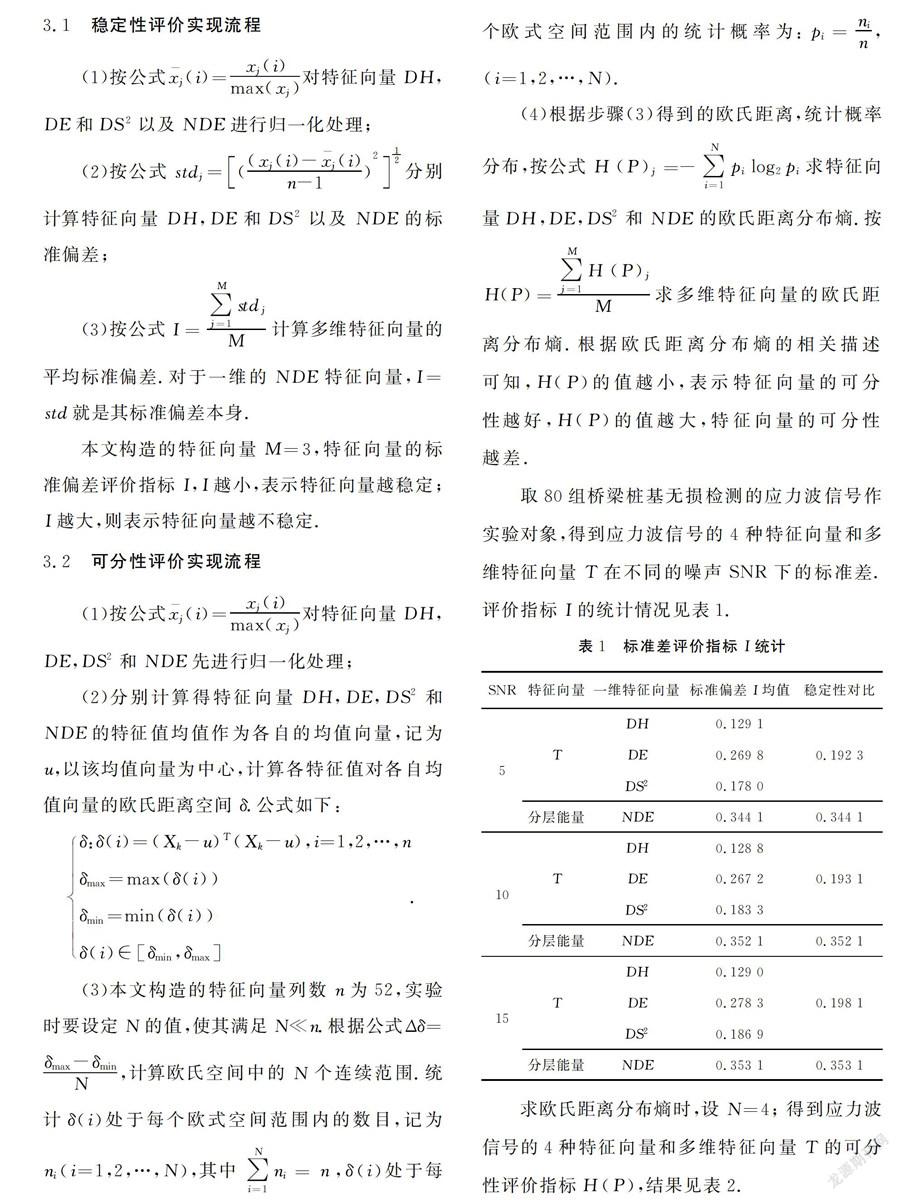
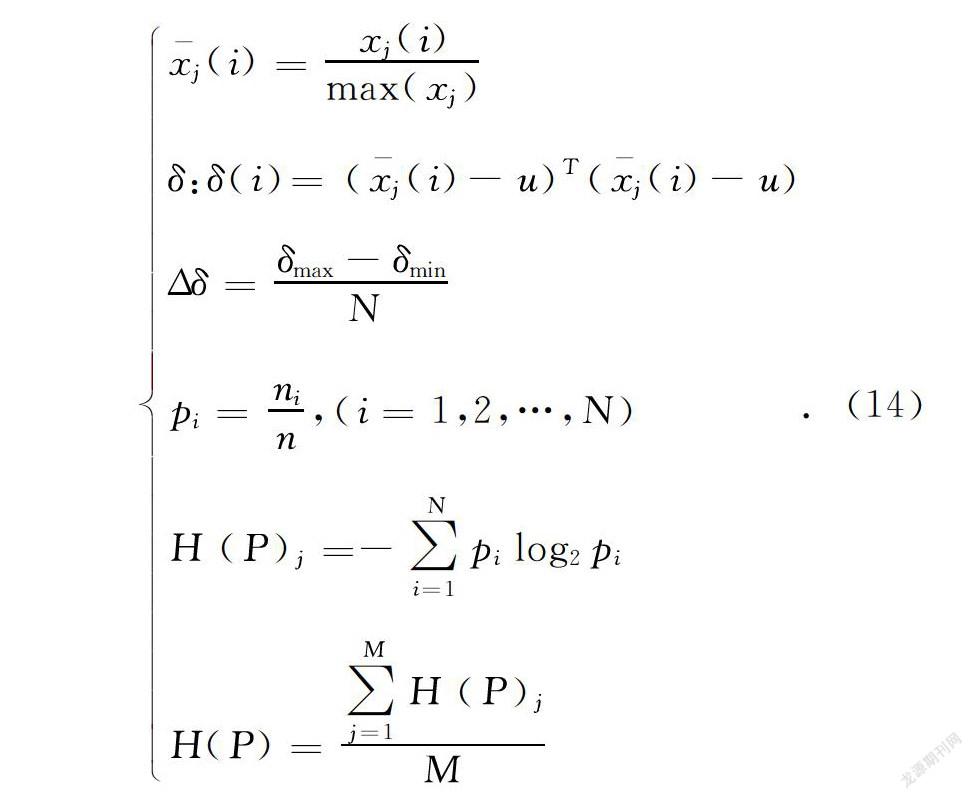
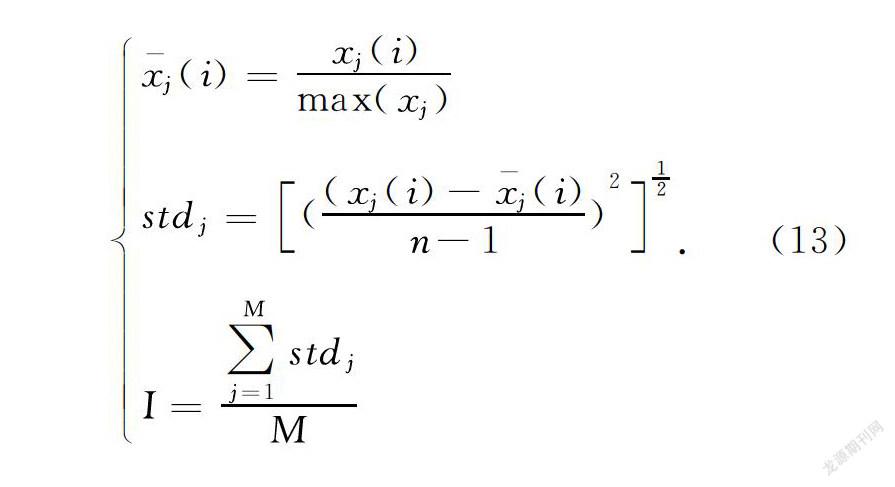
摘 要:采用特征值标准差和欧氏距离分布熵方法,构造信号多维特征向量评价模型,探讨信号特征向量稳定性和可分性的评价标准.仿真实验结果表明,多维特征向量在稳定性和可分性指标上达到0192 3和0.287 4,相比一维特征向量有较大的优势,可以作为应力波信号特征向量的评价方法,能够为后续智能检测选取出性能较好的特征向量.
关键词:特征向量;评价;稳定性;可分性
[中图分类号]TP183 [文献标志码]A
Abstract:Using the feature standard deviation and Euclidean distance distribution entropy methods, construct a signal multidimensional eigenvector evaluation model to explore the evaluation standard of signal feature stability and separability. Simulation results show that the multi-dimensional feature vectors reach 0.1923 and 0.2874 in terms of stability and separability, compared with the one-dimensional feature vector, the multi-dimensional feature vector has a great advantage, so the evaluation methods can be used as a stress wave signal feature vector evaluation methods for subsequent intelligent detection selects better feature vectors.
Key words:feature vector; evaluation; stability; separability
基于遺传算法和人工神经网络算法的应力波信号奇异点检测是目前结构体损伤或缺陷检测的最主要方法.[1-4]结构体的损伤或者缺陷在应力波信号上的反映表现为奇异点,奇异点在信号时域上的位置对应损伤或者缺陷在一维构件上的真实位置.应力波信号特征量在复杂环境下的性能直接影响结构体应力波损伤探测,所以对信号特征量的性能评价具有重要的意义.本文提出采用特征值标准差方法和欧氏距离分布熵方法,构造信号多维特征向量的评价模型,在信号特征向量的稳定性和可分性上对特征向量做评价.
1 应力波信号的特征向量
能够表征信号特征的特征量有信息熵、能量和方差,三种特征量可以组成信号的多维特征向量.
信号多维特征向量由信息熵特征向量、能量特征向量和方差特征向量组成,每一列三个特征量都对应信号的同一处位置,反映该位置处的信号信息,若该处恰好存在奇异点,则……
登录APP查看全文
猜你喜欢
石油沥青(2021年4期)2021-10-14 08:50:44
世界科学技术-中医药现代化(2021年10期)2021-03-02 05:52:06
现代检验医学杂志(2016年3期)2016-11-15 01:59:56
中学语文(2015年21期)2015-03-01 03:52:11
中国教育技术装备(2015年19期)2015-03-01 02:43:07
中国工程咨询(2015年2期)2015-02-14 02:59:26
西南军医(2015年1期)2015-01-22 09:08:16
中国音乐教育(2014年9期)2014-05-20 10:26:24
治淮(2013年1期)2013-03-11 20:05:18
俄罗斯问题研究(2012年1期)2012-03-25 09:54:51