
区块链物联网设备与无线访问点双向认证方案
2019-03-18 01:14:10唐呈俊蔡国宝徐慧赵汝文叶俊
网络空间安全
2019年12期
关键词:物联网
唐呈俊 蔡国宝 徐慧 赵汝文 叶俊
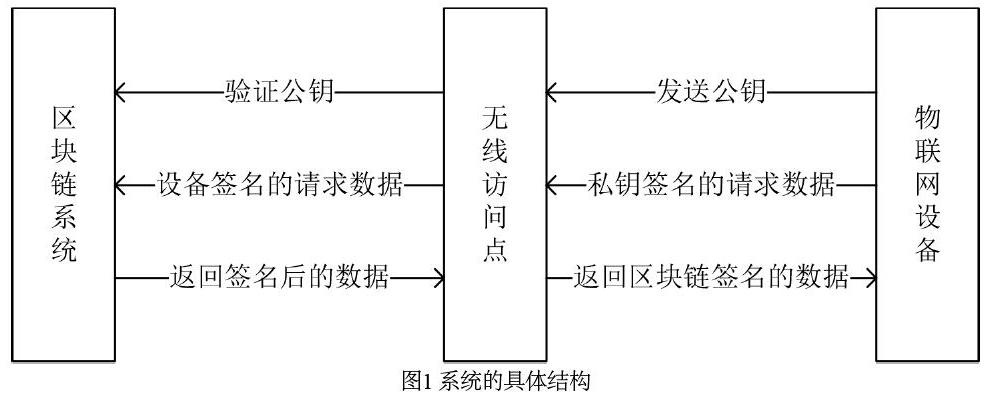
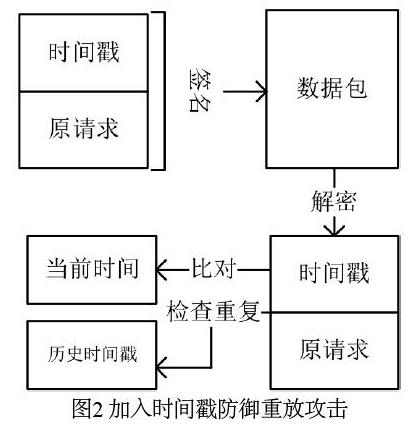
摘 要:文章提出了一种利用区块链现有基础设施,为使用区块链的物联网设备提供无线访问点的双向认证方法。利用区块链中的公钥身份认证体系,对用户的身份进行核验。使用基于可验证随机函数的方法,使用物联网设备可以利用其有限的计算资源,对访问点提供的数据进行验证。身份验证免疫了伪装、重放攻击,并且该方法对拒绝服务攻击提供了一定的抵抗性。文章提供了一种简单、安全的物联网设备访问区块链服务的接入方案,并且可以推广到对访问任何静态的互联网资源的访问上。
关键词:区块链;物联网;无线网络;身份认证
中图分类号:TP393 文献标识码:A
Abstract: A two-way authentication method that uses the existing infrastructure of the blockchain is proposed to provide wireless access points for IoT devices using the blockchain. The public key identity authentication system in the blockchain is used to verify the user's identity. Using a method based on a verifiable random function, an IoT device can use its limited computing resources to verify the data provided by the access point. Authentication is immune to masquerading, allowing attacks, and this method provides some resistance to denial of service attacks. Provides a simple, secure receiving scheme for IoT devices to access blockchain services, and can be extended to access any static Internet resource.
Key words: blockchain; internet of things; wireless network; identity authentication
1 引言
区块链(Blockchain)是分布式数据存储、点对点传输、共识机制、加密算法等计算机技术的新型应用模式,通过维护链式的数据块结构。每一个数据块中包含了一批信息,使用哈希密码技术,用于验证其信息的有效性(防伪)和生成下一个区块,从而确保数据结构的内容不被篡改[1]。
物联网(IoT, Internet of Things)是为关联的计算设备、机械和数字设备、物体、动物或人提供具有独特的系统标识符(UID),并通过网络,减少人力在其中的参与来传输数据或进行人机交互的一类技术[2]。由于物联网具有分布式节点多、数据中心化、運算成本高及第三方监管不到位等特点,采用按层保护、算法加密、访问控制等原隐私保护方法存在着许多漏洞[3]。物联网有十分广泛的应用,可以满足诸如食品安全、智能家居、环境保护、现代农业等众多方面需求,但是随之也带来了安全性的问题[4]。……
登录APP查看全文
猜你喜欢
软件导刊(2016年9期)2016-11-07 21:56:29
软件导刊(2016年9期)2016-11-07 21:32:45
中国科技博览(2016年22期)2016-11-01 15:02:01
中国科技博览(2016年22期)2016-11-01 13:21:09
中国科技博览(2016年19期)2016-10-19 14:58:22
电脑知识与技术(2016年21期)2016-10-18 22:33:02
科技视界(2016年22期)2016-10-18 17:23:30
中国新通信(2016年16期)2016-10-18 11:01:39
中国新通信(2016年16期)2016-10-18 11:00:54
科学与财富(2016年28期)2016-10-14 01:24:06
