砂岩巴西劈裂裂纹扩展研究
2019-11-13 08:40:13杨鑫康肖珺森王禹
科技创新导报
2019年17期
杨鑫康 肖珺森 王禹
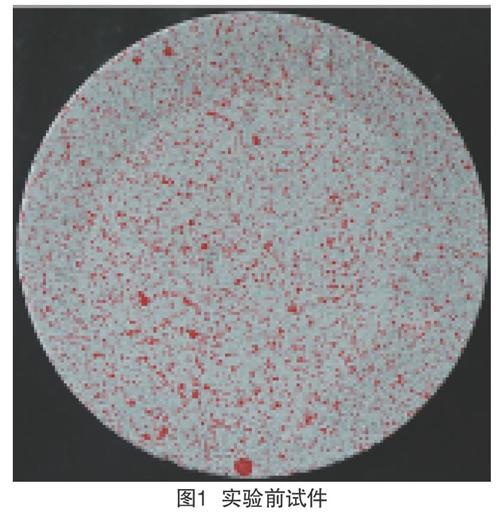
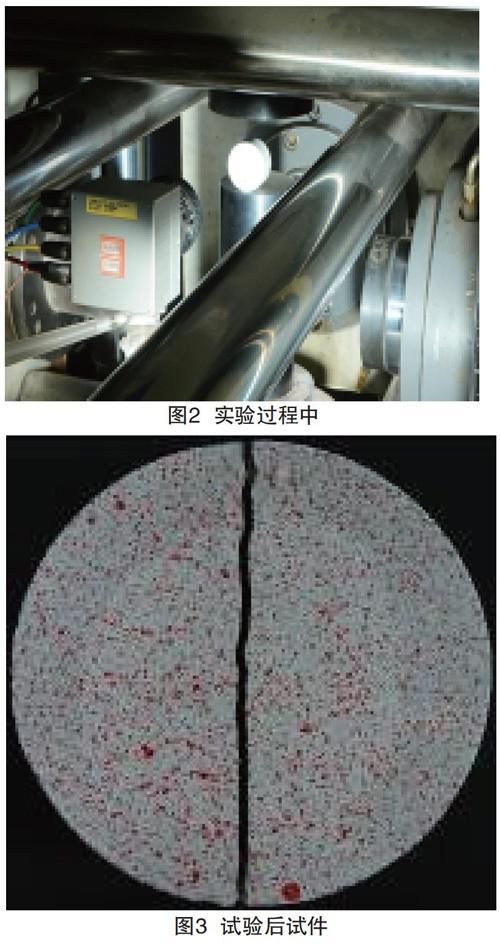
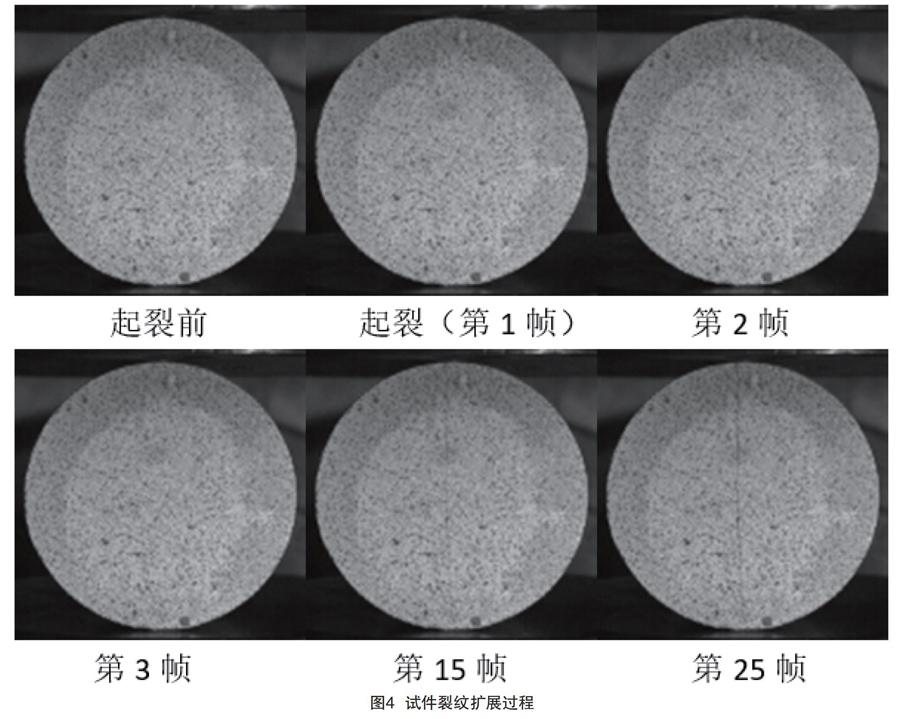
摘 要:为了研究静态加载下砂岩的巴西劈裂试验特征及裂纹扩展情况,采用非线性力学实验系统对砂岩进行静态加载,利用高速摄影采集数据,用PIV软件进行分析。经过实验和分析可知,砂岩裂纹扩展分为3个阶段:应变能积累阶段,裂纹扩展阶段,裂纹动态张拉阶段。从起裂到裂纹贯通,水平位移的梯度越来越明显,第一主应变场在开裂部位取得最大值。由力-位移曲线和功-位移曲线可知,位移为0.648mm时试件开裂,加载过程伴随着试件应变能的积累和耗散。
关键词:巴西劈裂 裂纹扩展 散斑 高速摄影
中图分类号:TU45 文献标识码:A 文章编号:1674-098X(2019)06(b)-0063-05
Abstract: In order to study the Brazilian splitting test characteristics and crack propagation of sandstone under static loading, the nonlinear mechanical experiment system was used to statically load sandstone. The data was collected by high-speed photography and analyzed by PIV software. Through experiments and analysis, it can be known that sandstone crack propagation is divided into three stages: strain energy accumulation stage, crack growth stage, and crack dynamic tension stage. From the cracking to the crack penetration, the gradient of the horizontal displacement becomes more and more obvious, and the first principal strain field reaches the maximum at the cracking site. From the force-displacement curve and the work-displacement curve, the specimen is cracked when the displacement is 0.648 mm, and the loading process is accompanied by the accumulation and dissipation of the strain energy of the specimen.
Key Words: Brazilian splitting; Crack propagation; Speckle; High-speed photography
随着社会的发展与科技的进步,人们在各类土建工程中遇到的关于岩石力学性质的问题也越来越复杂,也有必要进行相应的研究。岩石试件在单轴拉伸时能承受的最大拉应力,称为单轴抗拉强度,简称抗拉强度。虽然在工程实践中,一般不允许拉应力出现,但拉伸破坏仍然是工程岩体及自然界岩体的主要破坏形式之一,而且岩石抵抗拉应力的能力很低。岩块的抗拉强度是通过室内试验测定的,包括直接拉伸法,点荷载法,巴西劈裂法,弯曲法等。对于直接拉伸实验由于试件加工较为困难一般较少采用,更多的是采用间接法,巴西劈裂实验是大家广泛认同和使用的方法。这种方法自从20世纪40年代提出以来,作为一种间接测量岩石和混凝土抗拉強度的方法已经被普遍接受[1-2]。监测手段主要有声发射[3],数字摄像法[4-5],CT断层扫描法[6]等。……
登录APP查看全文