顶进下穿铁路框架桥理论与实际研究
2020-08-03 06:54:33陈龙宇
价值工程
2020年21期
陈龙宇
摘要:在既定下穿铁路立交方案情况下,为不中断较繁忙铁路线运营,新建市政框架桥一般采用顶进法下穿既有普速铁路。本文通过实际工程案例,研究分析顶进框架桥在设计与施工过程中的一些控制点,以及理论与实际的差异,旨在为此类桥涵的设计、施工等提供参考。
Abstract: Under the condition of the schemes of underpass railway interchange, in order not to interrupt the busier railway operation, the new municipal frame bridges are generally jacked under existing express railways. This paper studies and analyzes some control points in the design and construction of jacking frame bridges through actual engineering cases, as well as the differences between theory and practice to provide a reference for the design and construction of such bridges and culverts.
关键词:框架桥;顶进下穿铁路;控制点;设计与实际施工的差异
Key words: frame bridge;jacking under existing railways;control points;differences between designing and constructing
中图分类号:U449 文献标识码:A 文章编号:1006-4311(2020)21-0145-02
1 研究背景
新建市政道路需跨越运输较繁忙的铁路线时,根据《铁路安全管理条例》,优先选择下穿铁路的方案[1]。
在既有线修建下穿框架,当路基稳定无下沉情况时,结合地质、地形、行车干扰、施工问题等进行方案比较后,可选择顶进法施工[2]。“一次顶入法”对铁路运输干扰较小,顶进时间集中,慢行时间短,一般选择此工法下穿既有线[3]。
因涉铁项目的特殊性,铁路运营不中断,当采用一次顶进工法时,既有铁路线间距会影响到下穿道路的整体方案;理论与实际的差异,会造成临时措施的设计浪费;施工过程中一味追求便捷,不按设计方案加固線路,则会给铁路运营带来安全隐患。
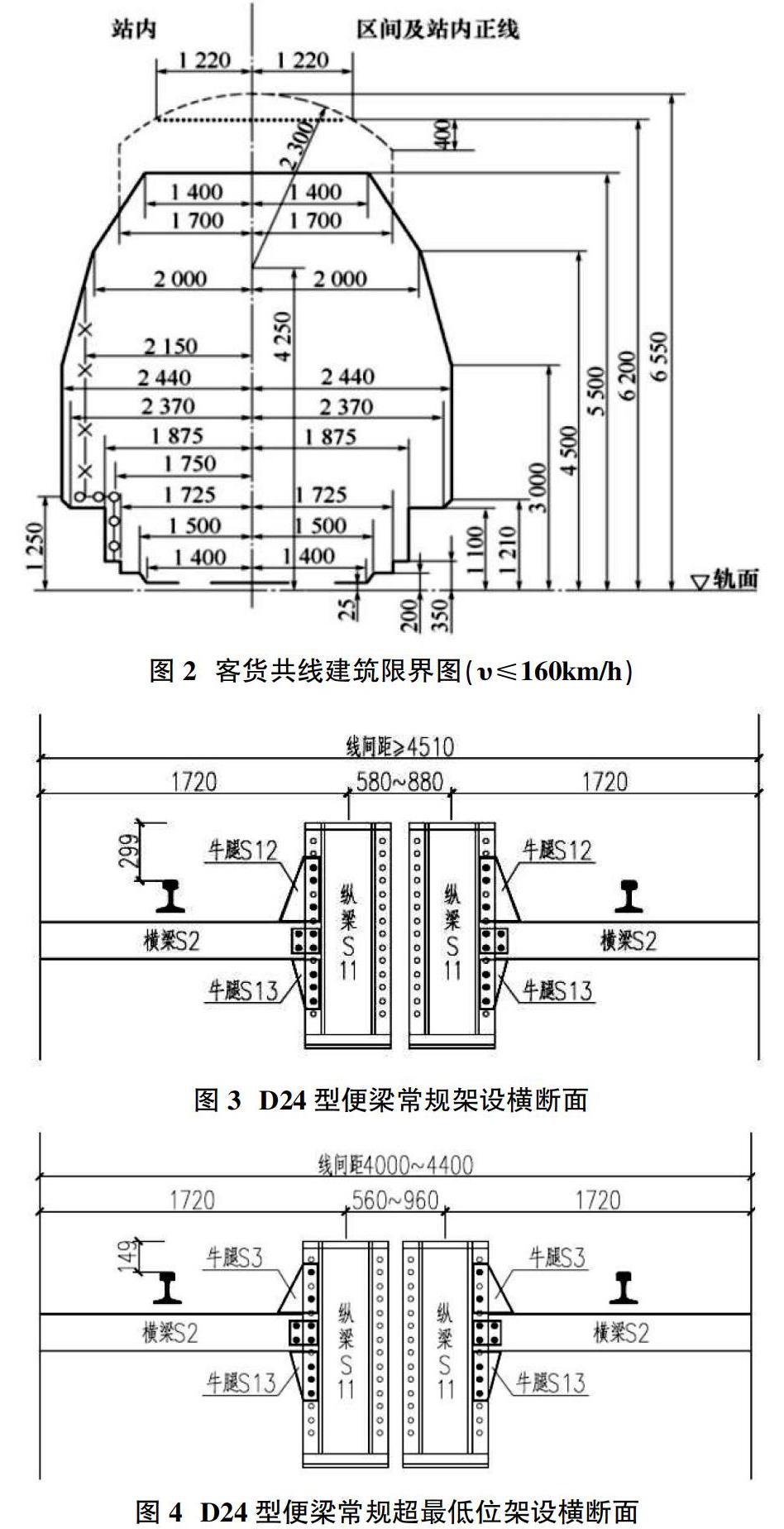
2 D24型便梁超最低位架设
结合下穿道路规模,整体式框架方案(一次顶进线路加固范围较大)相比分离式方案(加固范围相对较小),前者具有能更好的控制顶进精度,减少行车干扰,降低不均匀沉降等优势。
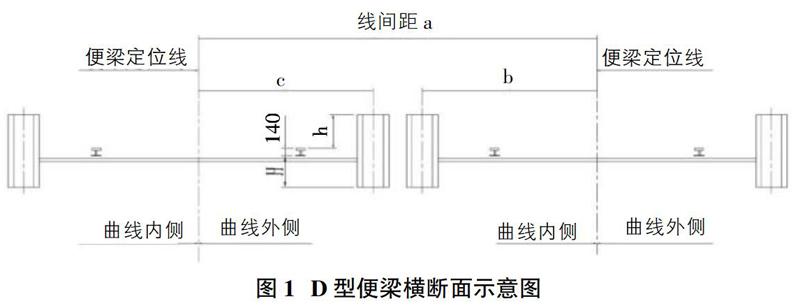
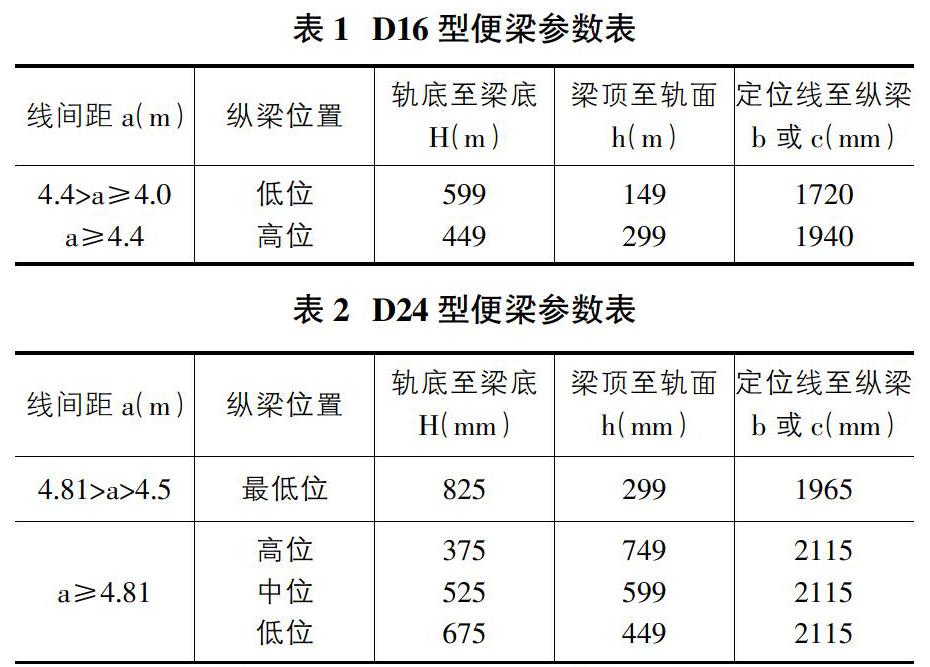
根据规范要求以及施工方案的成熟度,一般优先选用D型施工便梁加固线路。通过便梁租赁及多处现场使用情况统计发现,施工单位使用较频繁的是D16型及D24型便梁。……
登录APP查看全文