
热力发电厂主蒸汽温度测量动态校正方法研究
2020-08-04 16:20:35廖先伟严思伟王昌朔
科技视界
2020年15期
关键词:测量
廖先伟 严思伟 王昌朔
摘 要
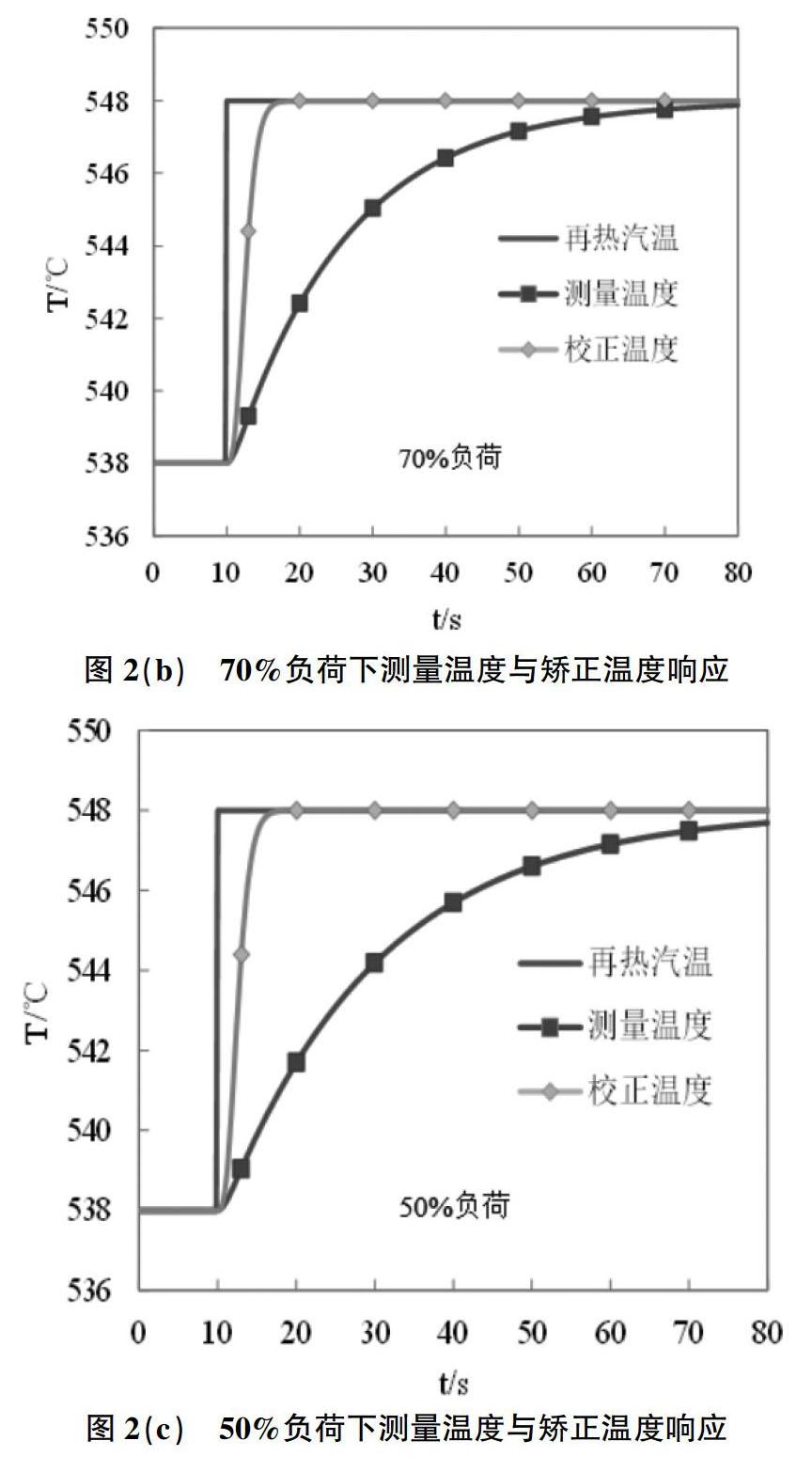
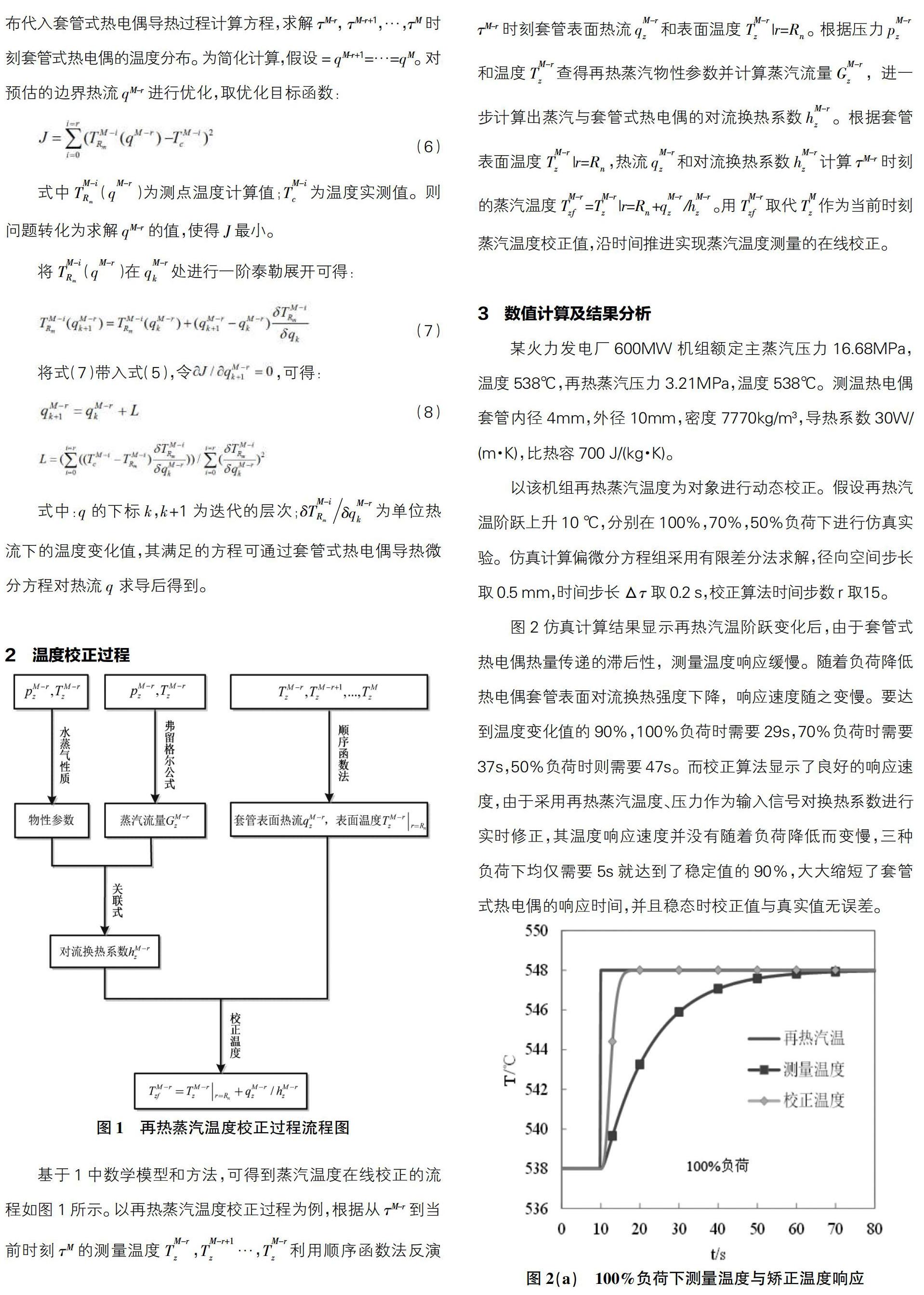
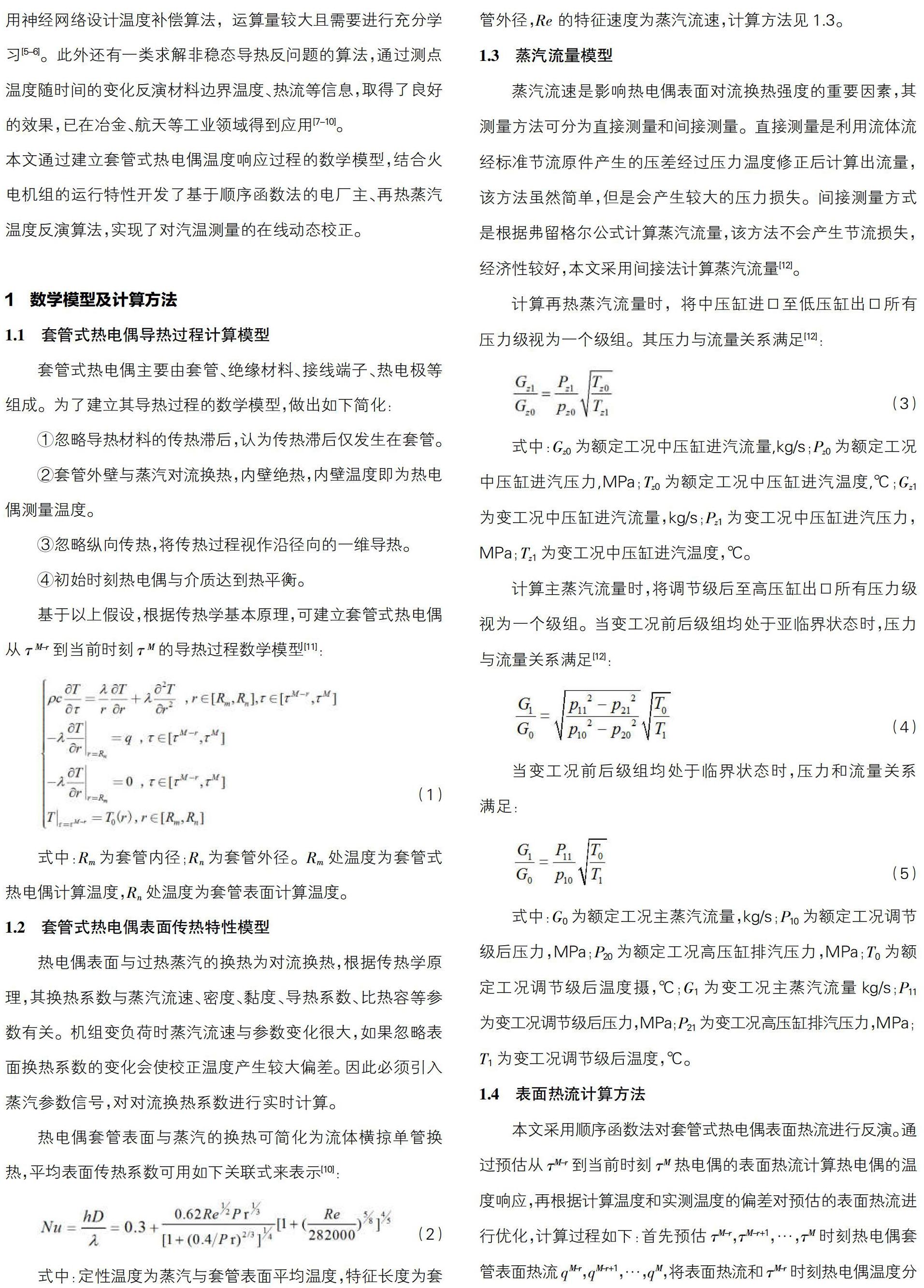
针对电厂主、再热蒸汽温度测量严重滞后的问题,通过建立测温装置套管式热电偶温度响应过程的数学模型,结合火电机组运行特性,以过热器、调节级后和再热器的蒸汽温度、压力为输入信号,利用顺序函数法对电厂主、再热蒸汽温度进行了在线动态校正。数值实验结果表明:汽温变化时,校正算法可大幅提高温度测量的响应速度,稳态时校正值与真实值无偏差,且校正效果不受机组负荷变化的影响。
关键词
顺序函数法;电厂汽温测量;动态校正
中图分类号: TL33 文献标识码: A
DOI:10.19694/j.cnki.issn2095-2457.2020.15.040
Abstract
In order to solve the problem that the observed temperature of superheat and reheat steam lags behind real temperature severely when steam temperature changes,this paper established the heat transfer model of atubular thermocouple and then applied sequential function specification method to the temperature measurement of power plant steam based on the operating characteristic of power unit.Real-time correction can be achieved by taking the temperature and pressure of superheat,governing stage and reheat steam as input signal.Numerical experiment results indicate that the proposed method can enhance temperature response speed without any steady-state error when steam temperatures changes under whole working condition
Key Words
Sequential function specification method;Temperature measurement of power plant steam;Dynamic calibration
0 引言
套管式热电偶广泛应用于电厂主、再热蒸汽温度的测量。由于套管壁厚较大,导热系数较低,造成了温度测量的严重滞后。对于并网火电机组,机组负荷指令经常发生剧烈变化,引起主、再热汽温频繁波动。汽温测量的滞后不仅会导致超温检测不及时,还会加剧汽温调节过程的超调与振荡,给机组的安全、经济运行带来隐患[1]。因此,研究缩短套管式热电偶响应时间的算法对于提高主、再热蒸汽温度的调节品质,提高机组运行的安全性和经济性具有重要意义。
目前克服热电偶测量滞后的补偿算法可分为如下几类:一类方法忽略热电偶表面传热特性的变化,将其温度响应模型简化为一阶惯性加纯滞后环节进行补偿[2-4]。对于电厂套管式热电偶而言,机组变负荷时热电偶表面换热特性变化很大,因此这类方法并不适用。另一类方法是用神经網络设计温度补偿算法,运算量较大且需要进行充分学习[5-6]。……
登录APP查看全文
猜你喜欢
小学科学(学生版)(2021年5期)2021-07-22 02:40:06
数学小灵通(1-2年级)(2017年10期)2017-11-08 08:39:45
军事文摘·科学少年(2017年4期)2017-06-20 23:25:16
军事文摘·科学少年(2017年2期)2017-04-26 21:58:43
少儿科学周刊·儿童版(2016年1期)2016-03-14 03:52:21
阅读与作文(小学低年级版)(2015年4期)2015-04-29 00:00:00
