
交互场景下的动态环境设计系统开发应用
2020-08-07 05:50:31赵雅慧杨梦婷
现代电子技术
2020年13期
赵雅慧 杨梦婷
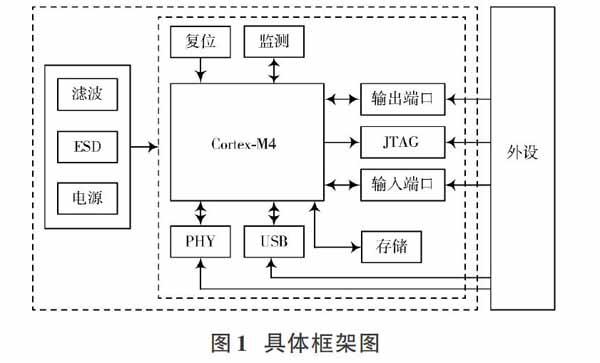
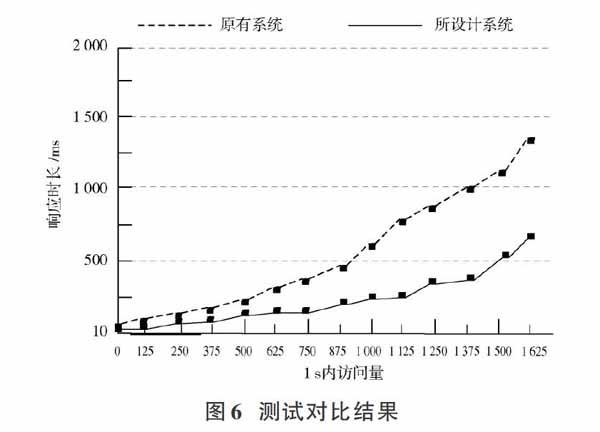
摘 要: 针对原有系统响应时间较长,导致无法满足用户需求的问题,开发基于交互场景下的动态环境设计系统。在原有硬件结构的基础上,优化中控电路模块,采用Cortex?M4型号内核芯片,配合外设接口资源。采用SURF特征描述方法,在交互场景中利用静止物体特征点,匹配动态环境特征,完成姿态位置估计。还原成像关系示意图,计算特征向量,区分动静态特征,利用计算机程序实现动态环境设计系统的开发。设计对照实验,利用Framer Studio软件模拟系统运行状态,测试系统性能。实验结果表明,所开发的系统运行响应时长与原有系统相比明显缩短,能够充分满足用户需求。
关键词: 动态环境设计; 交互场景; 中控电路; 特征描述; 系统设计; 响应时长
中图分类号: TN99?34; TP273.5 文献标识码: A 文章编号: 1004?373X(2020)13?0123?03
Development and application of dynamic environment design system
based on interactive scenes
ZHAO Yahui1, YANG Mengting2
(1. Hubei University of Technology, Wuhan 430000, China; 2. Hubei Vocational College of Bio?Technology, Wuhan 430000, China)
Abstract: Since the original system has a long response time and cannot meet the needs of users, a dynamic environment design system based on interactive scenes is developed. On the basis of the original hardware structure, the central control circuit module is optimized. Kernel chip Cortex?M4 is adopted to match with the peripheral interface resources. SURF feature description method is adopted. In the interactive scene, feature points of a stationary object are used to match the features of the dynamic environment to complete the pose position estimation. After the schematic diagram of the imaging relationship is restored, the feature vectors are calculated to distinguish the dynamic and static features. On the basis of the above, the dynamic environment design system is developed with the computer program. Contrastive experiments were designed and Framer Studio software was used to simulate the running state of the system and test the performance of the system. The experimental results showed that the running response time of the developed system is significantly shorter than that of the original system and can fully meet the needs of the users.
Keywords: dynamic environment design; interactive scene; central control circuit; feature description; system design; response time
0 引 言
場景交互技术属于虚拟现实技术的一个分支,受到人们的广泛关注,其涉及多个科学研究领域,包含了多媒体技术、网络技术、计算机感知以及图像学技术等,是当前十分热门的尖端技术。场景通常是指用户在某个特定的时间以及地点,为了满足某种需求而发送特定指令所实施的行动画面[1?3]。其中,用户作为场景的主体,其属性直接决定了用户需求,而对其属性的了解,能够帮助理解用户在某特定场景下所完成的行动。但需要注意的是,用户需求的背后通常还存在着更深层次的真实需求,而用户所提出的只是其深层次需求的解决方案当中所缺少的一个环节[4]。……
登录APP查看全文
