基于统计能量方法的电动汽车高频噪声分析
2020-08-13 07:05:56郝耀东李洪亮冷永刚顾灿松董俊红
科技创新与应用
2020年24期
郝耀东 李洪亮 冷永刚 顾灿松 董俊红
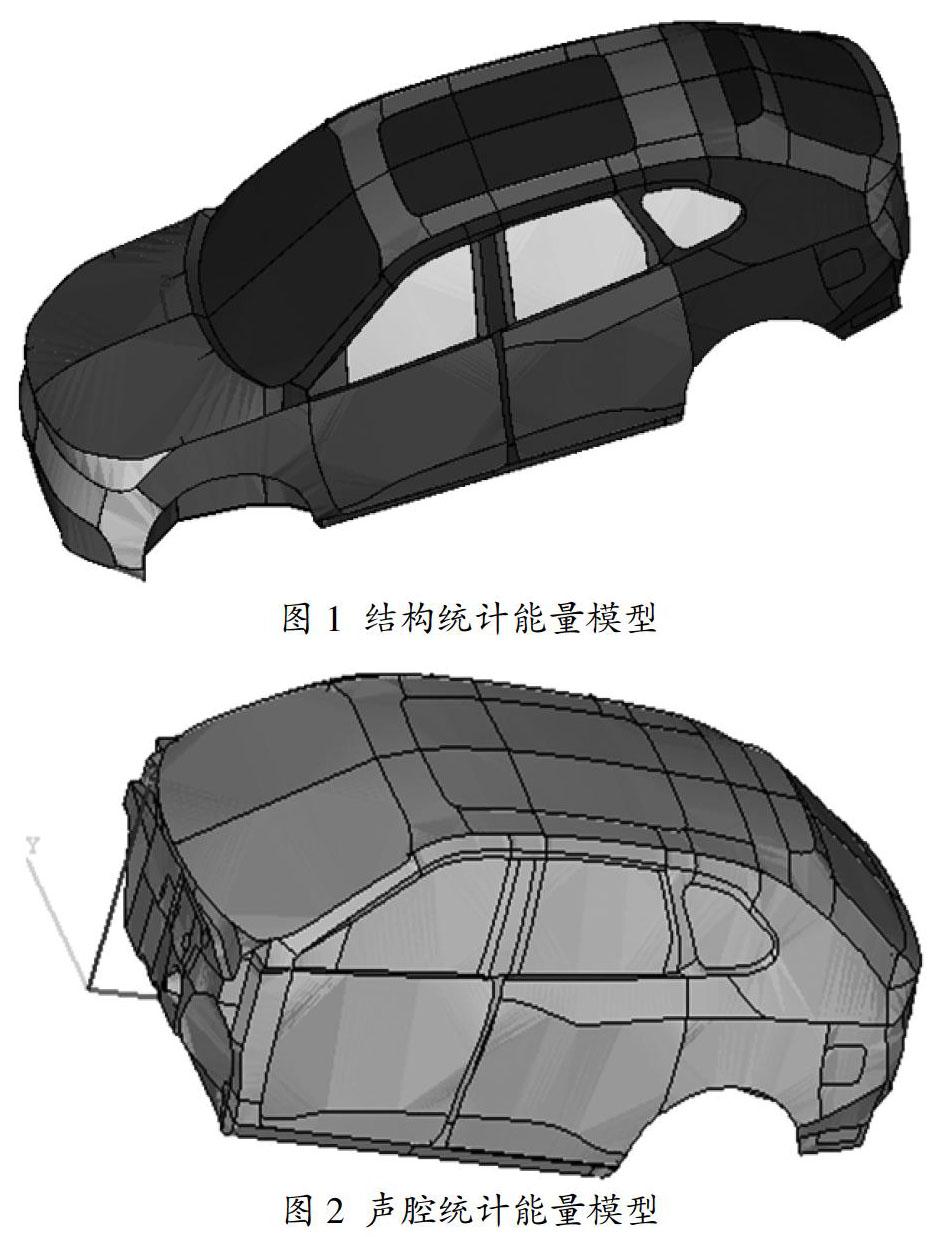
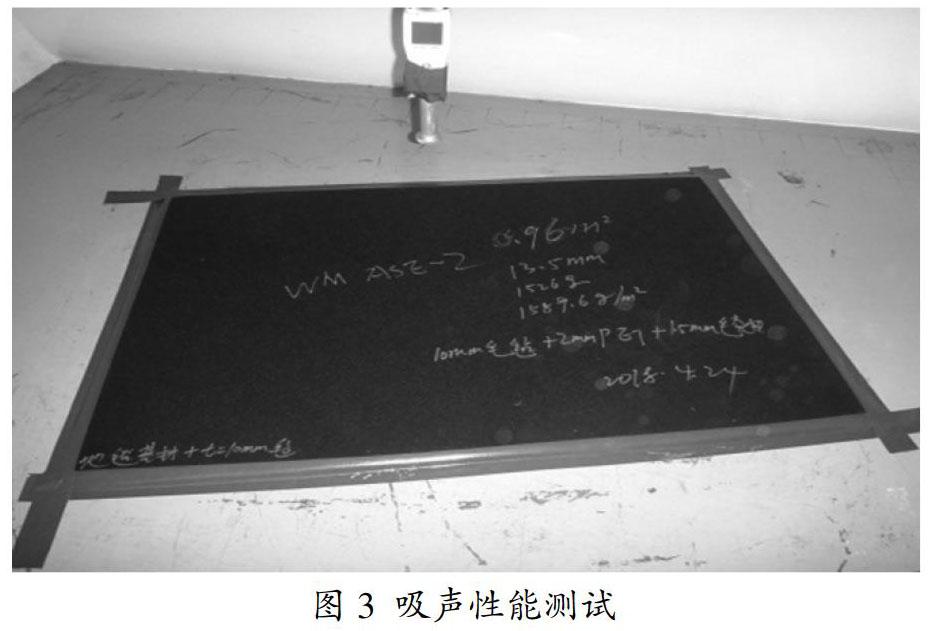

摘 要:相对于传统动力汽车,高频噪声是电动汽车主要的NVH问题,而统计能量方法是目前解决高频问题的主要手段。文章以某电动车为例,对其车内高频噪声问题进行了研究,首先建立了电动车的整车统计能量模型,进行了声学包装零件吸声、隔声性能测试,对车辆加速的工况下的声载荷进行了测试,将声载荷测试结果加载至整车模型中,实现了车内高频噪声的计算。计算结果与试验测试结果对比表明,文章提出的方法可以较好的进行电动汽车车内高频噪声分析。
关键词:电动汽车;车内噪声;高频;统计能量方法
中图分类号:U463.2 文献标志码:A 文章编号:2095-2945(2020)24-0011-03
Abstract: Compared with traditional power vehicles, high frequency noise is the main NVH problem of electric vehicles, and the Statistical Energy Analysis is the main method adopted to solve the high frequency problem. This paper takes an electric vehicle as an example to study the problem of high-frequency interior noise of the vehicle. Firstly, the statistical energy model of the electric vehicle was established, and the sound absorption and sound insulation performance of the acoustic packaging parts were tested. The acoustic load of the vehicle under the condition of acceleration was tested, and the acoustic load test results were loaded into the vehicle model to calculate the high frequency noise inside the vehicle. The comparison between the calculation results and the test results shows that the method proposed in this paper can be used to analyze the high frequency noise in electric vehicles.
Keywords: electric mobile; interior noise; high frequency; statistical energy analysis
引言
伴隨着全球能源(特别是石油资源)危机、环境污染问题的日益严重,在汽车行业政策的推动下,新能源汽车快速发展。相对于传统的内燃机车,新能源汽车车内高频噪声问题更加突出。没有了发动机噪声及其掩蔽效应,一些噪声源如电动机/发电机、其他电子器件及辅助设备所产生的噪声便凸显出来,虽然车内噪声整体水平低于传统内燃机车,但是电动汽车车内会产生大量的令人烦扰的高频噪声,给驾乘人员带来不一样的主观感受[1]。因此,行业关注点向高频区域转移,针对车内高频噪声控制及优化技术日益引起各大汽车厂商、科研单位的重视。车内声学性能是汽车舒适性最重要的组成部分之一,根据频率的高低,可以分为低频问题(20~200Hz)、中频问题(200~500Hz)和高频问题(>500Hz)。其……
登录APP查看全文