冲击性河流自然发育特征与治理研究
2020-08-13 07:05:56李海鹏毛鹤崴张文娟
科技创新与应用
2020年24期
李海鹏 毛鹤崴 张文娟
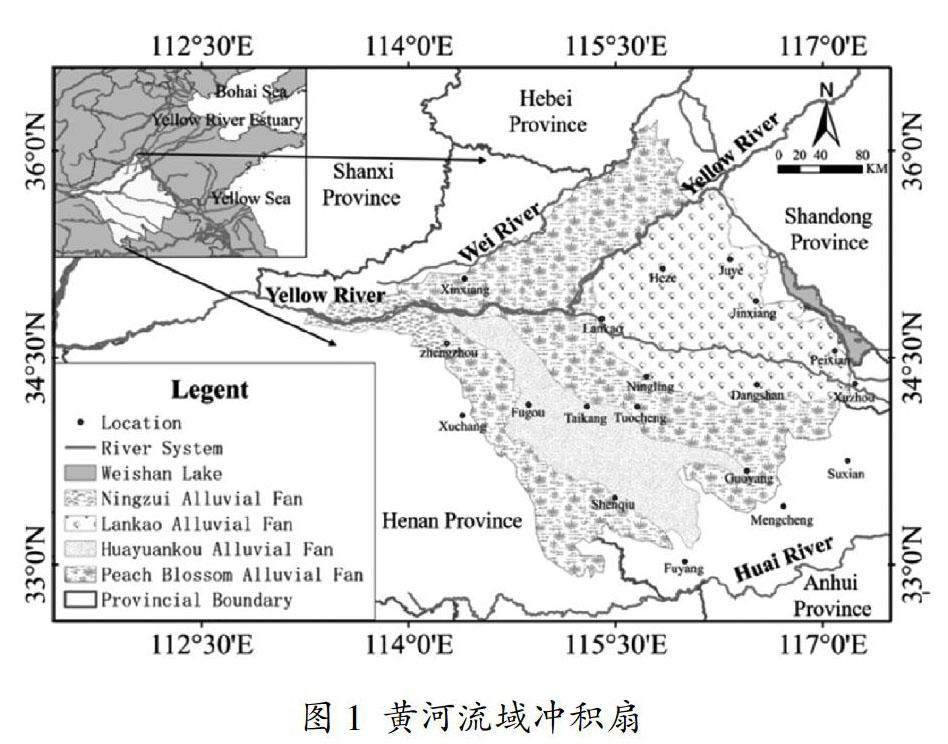

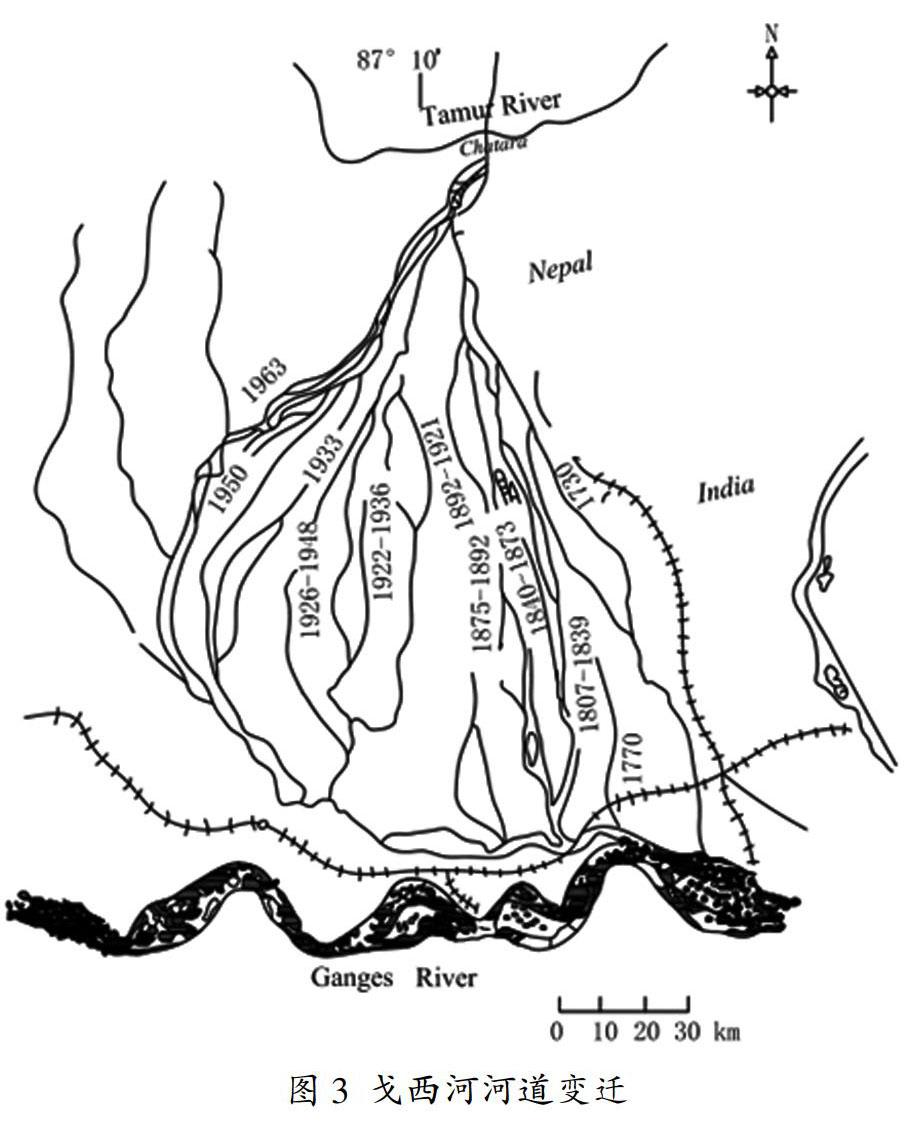
摘 要:河流自然发育有一定的规律可循的,河流演变趋势往往具有一定趋向性。文章通过分析中国黄河、尼泊尔戈西河以及高原冲击性河流平面形态特征,认为冲击性河流治理过程中,在筑堤保护沿河人民生命财产安全的同时,应该结合着人工放淤把泥沙运到河道外的地方,以协助河流完成游荡淤积这一自然演变特性。
关键词:河流;规律;河流治理
中图分类号:TV88 文献标志码:A 文章编号:2095-2945(2020)24-0048-03
Abstract: The natural development of the river has a certain law to follow, and the trend of river evolution often has a certain tendency. Based on the analysis of the plane morphological characteristics of the Yellow River in China, the Kosi River in Nepal and the impact rivers on the plateau, it is considered that embankments should be built to protect the lives and property of the people along the river in the process of harnessing the impact rivers. Meanwhile, it should be combined with artificial desilting to transport sediment out of the river, in order to help the river to complete the natural evolution of wandering deposition.
Keywords: rivers; law; river improvement
河流的保护方面,董哲仁从河流健康的概念、内涵和评价原则等方面系统的阐述了河流健康的有关知识[1];胡春宏对河流健康的概念和内涵做了剖析,分析了河流健康与生态系统健康的异同,提出了河流健康的内涵[3];王光谦总结了河流健康内涵的解释,并阐述了影响河流健康的主要因素[2];韩其为提出了不同阶段河流健康的含义,并分析了河道冲淤对河流健康的影响[4]。本文在前人的研究基础上,引入河流自然发育特征概念,为冲击性河流的治理工作提供理论支撑。
1 冲击性河流特征
1.1 中国黄河
黄河发源于巴颜喀拉山脉,全长约5464公里,是世界长河之一。黄河每年会生产十六亿吨泥沙,其中有十二亿吨流入大海,剩下四亿吨留在黄河下游,形成冲积平原。根据吴锡浩[5]等人的研究表明,黄河是在第四纪中晚期(距今约15万年)才全河贯通。
黄河流经黄土高原,挟带大量泥沙,沿河人民为减轻洪涝灾害,筑堤束水由来已久。河流在流动过程中,不断将挟带泥沙淤落,河床不断抬高,洪汛期主流就会决口改道。……
登录APP查看全文