一种面向热设计的反馈-模糊推理全局算法
2021-01-07 11:23:39雷飞张天昊
湖南大学学报·自然科学版
2021年12期
雷飞 张天昊
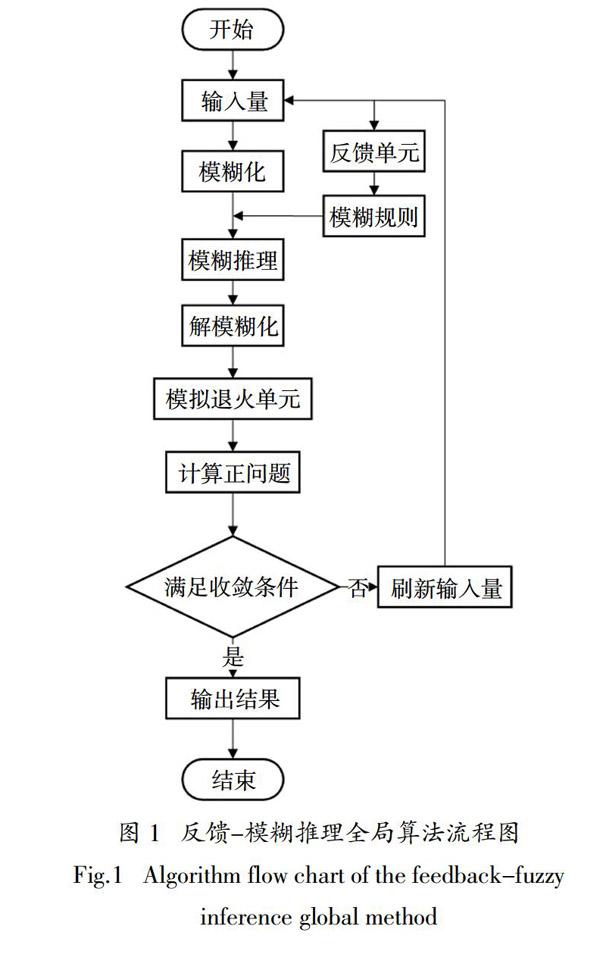
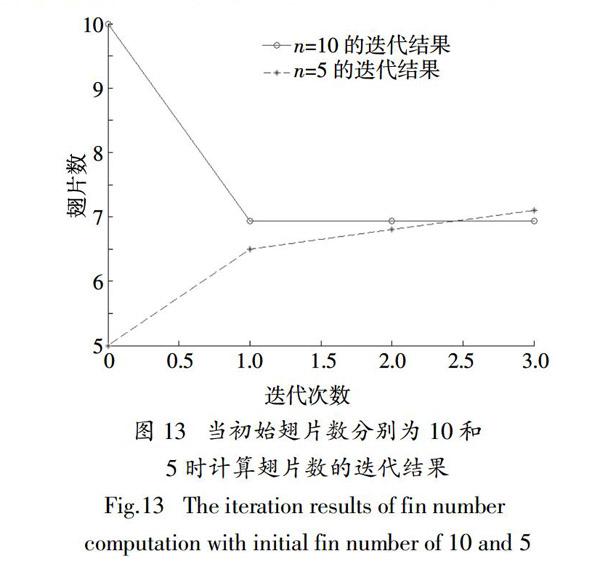
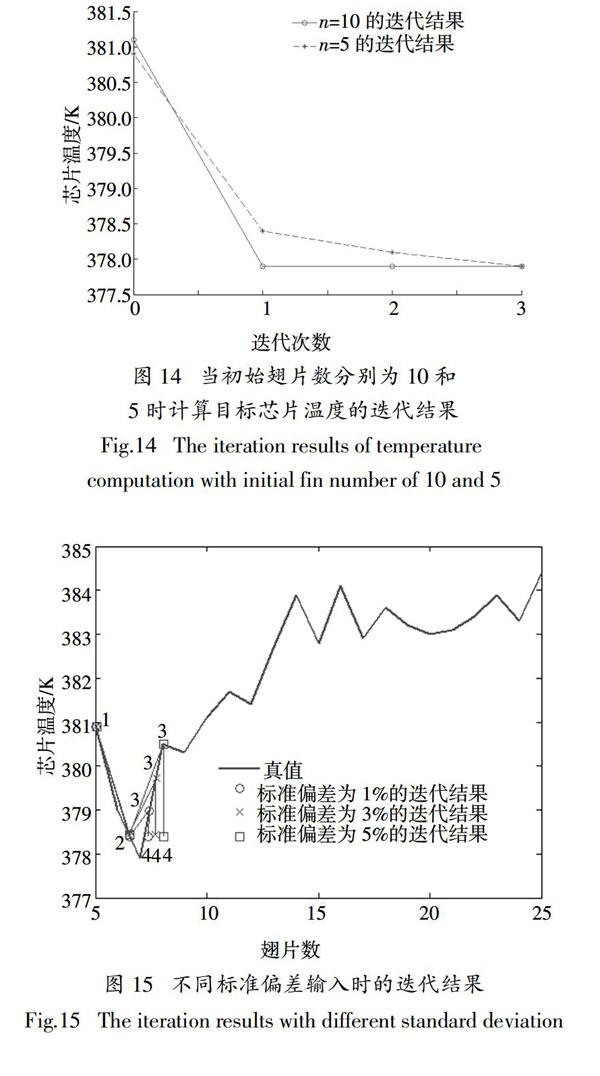


摘 要:针对常规模糊推理算法無法有效求解具有复杂或未知传热规律的传热学反问题,提出一种反馈-模糊推理全局算法. 基于模糊推理的基本流程,将变论域方法、反馈思想和模拟退火算法结合起来,通过反馈单元降低模糊规则对传热规律的依赖,并通过模拟退火单元防止陷入局部最优. 采用此方法对风冷散热器翅片的几何结构设计问题进行求解,并与常规模糊推理算法和模拟退火算法结果进行对比. 同时,对不同初始值、不同输入误差下反馈-模糊推理全局算法的计算结果进行验证和对比. 结果表明,该算法可以解决传热学规律复杂或未知的传热学反问题,计算结果不受初始值影响. 该算法在解决此类问题时拥有良好的鲁棒性和抗不适定性,可以为反问题、结构设计和优化提供参考.
关键词:传热;反问题;模糊推理;纯电动汽车;全局优化
中图分类号:TK124 文献标志码:A
A Feedback-fuzzy Inference Global Algorithm for Thermal Design
LEI Fei†,ZHANG Tianhao
(State Key Laboratory of Advanced Design and Manufacturing for Vehicle Body,Hunan University,Changsha 410082,China)
Abstract:Conventional fuzzy inference algorithms cannot effectively solve the inverse heat transfer problems with complex or unknown heat transfer laws. In this paper, a feedback-fuzzy inference global method is proposed. Based on the basic process of fuzzy inference, variable universe method, feedback thought and simulated annealing algorithm are combined. The dependence of fuzzy rules on heat transfer law is reduced by feedback unit, and the local optimum is prevented by simulated annealing unit. This method was employed to solve the geometric structural design problem of air-cooled radiator fins. The results were compared with those of conventional fuzzy inference and simulated annealing algorithm. And the results of feedback-fuzzy inference global method under different initial values and input errors were verified and compared. The results showed that the proposed method could solve the inverse heat transfer problem with complicated or unknown heat transfer law, and the results were not affected by initial values. The method demonstrates robustness and resistance to ill-posed problems, which can provide a reference for inverse problems, structural design and optimization.
Key words:heat transfer;inverse problem;fuzzy inference;battery electric vehicle;global optimization
电动汽车电机控制器内部的集成化程度越来越高,控制器内元器件的发热量不断增加. 在有限的物理空间内,多合一控制器中大功率元件的热通量可达200 ~ 300 W/cm2. 过高的温度会直接损坏元器件,热设计和热管理成为集成控制器设计的关键环节[1].
热设计问题通常是已知目标温度来求解相关设计参数,本质上属于已知目标温度求解几何边界的传热学反问题[2]. 通常基于传热系统的局部测量温度信息,求解系统的热流密度、热源参数、热物理参……
登录APP查看全文