焦化废水生化处理工艺的改进方法
2021-01-07 08:07:07高和平
粘接
2021年12期
高和平

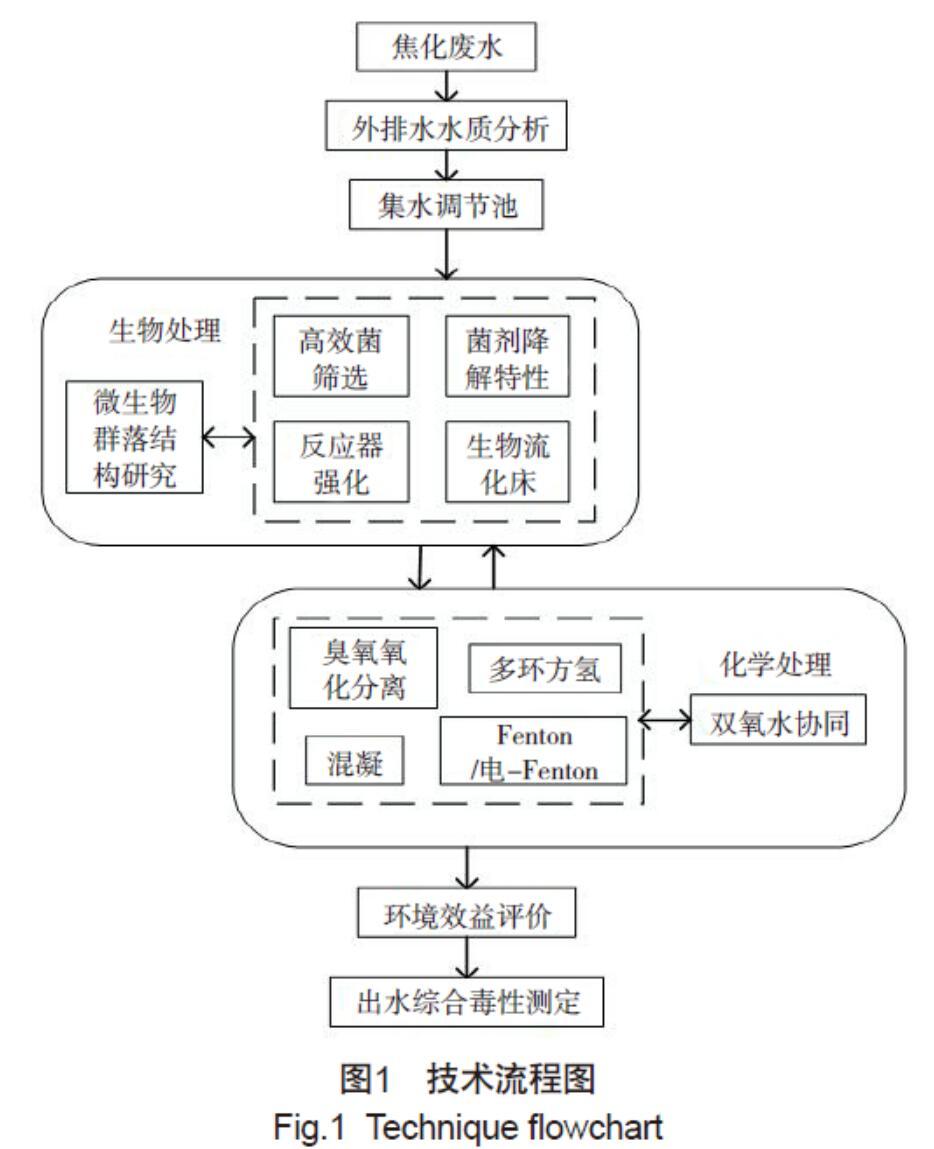


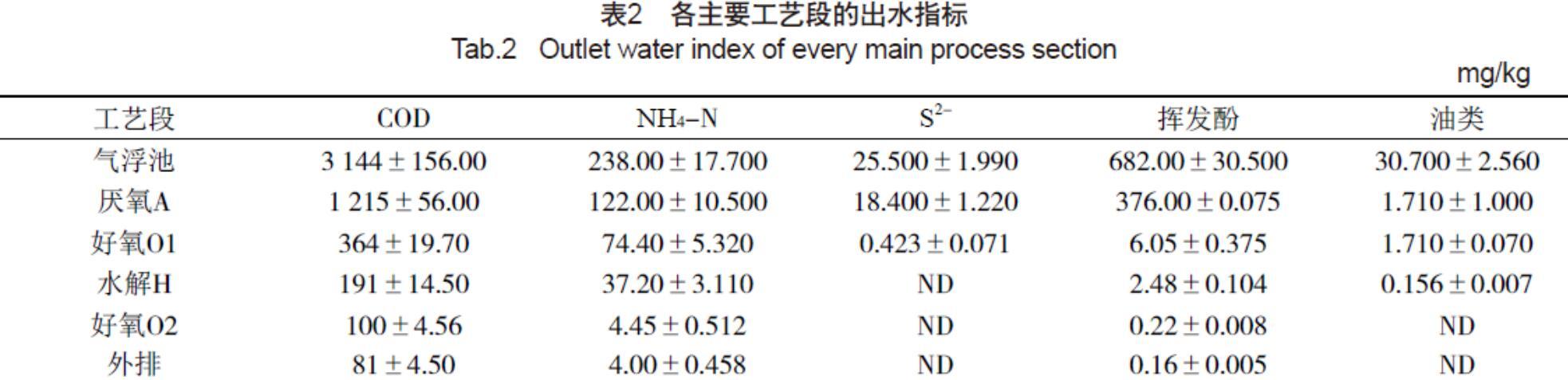

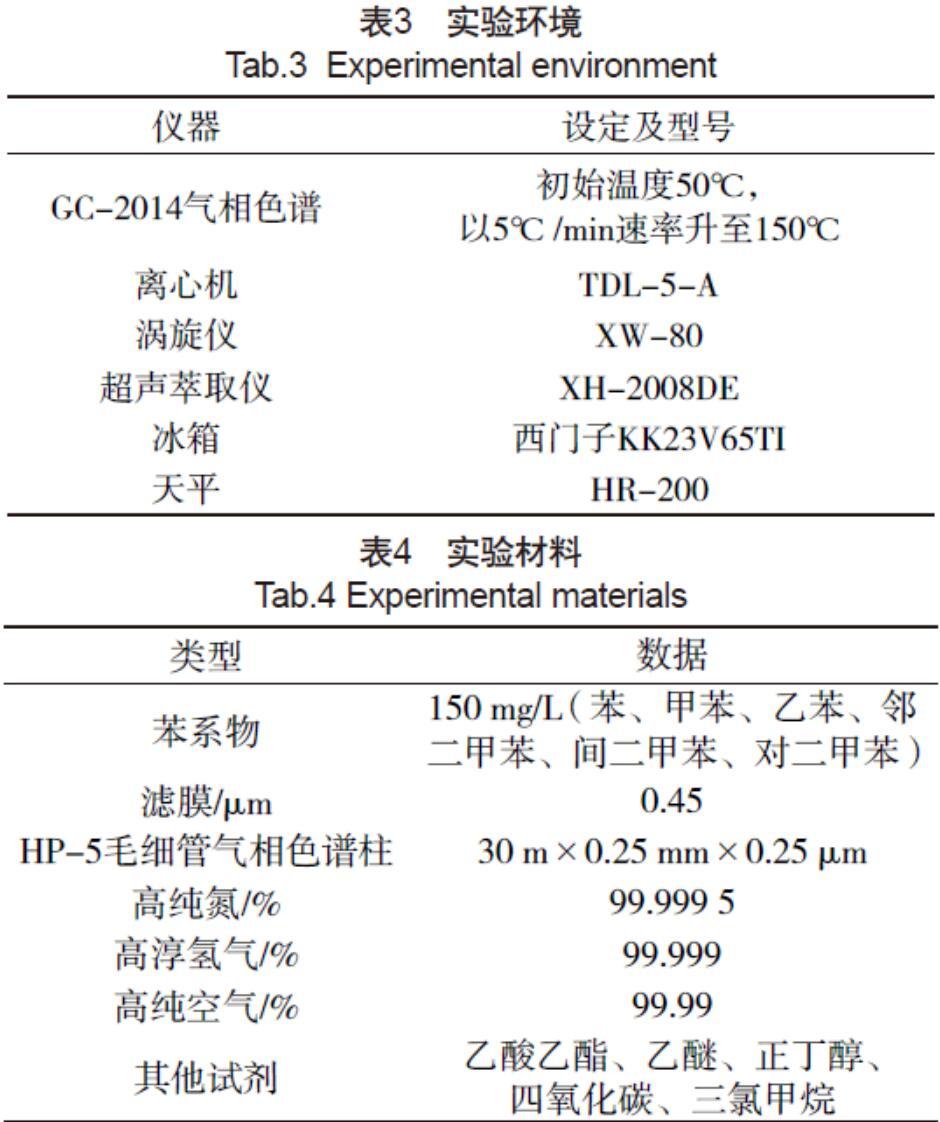

摘 要:针对传统的生化处理工艺难以降解焦化废水中COD某些污染物问题。本研究对焦化废水中有机物的组成进行了分析,明确了废水水质特征,并对生化处理工艺进行了改进。针对焦化废水中残留的各种有机和无机难以降解的物质,使用臭氧高级氧化技术进行处理,说明了臭氧与其中有机成分的反应机理,对废水总COD进行了分析,对比臭氧浓度和消毒副产物HANFP和THMFP生成潜能的变化。使用三相生物流化床,使废水基质去除能量最大化又是污泥产量最小化,反应器中废水和微生物中间互相作用,能够大幅度降低废水中COD的含量,增加了焦化废水的可生物化。实验结果表明本研究生化处理工艺对焦化废水中苯系化合物的处理能力最强,其中处理后废水中苯含量为16.3 mg/kg,甲苯含量为3.88 mg/kg。
关键词:焦化废水;生化处理;COD;臭氧氧化;生物流化床
中图分类号:TP37 文献标识码:A 文章编号:1001-5922(2021)12-0016-06
Improved Method of Biochemical Treatment Process for Coking Wastewater
Gao Heping
(China Energy Investment Coking Co., Ltd., China Energy Mengxi Coal Chemical Co., Ltd., Wuhai 016000, China)
Abstract:The traditional biochemical treatment process is difficult to degrade some COD pollutants in coking wastewater. In this paper, the composition of organic matter in coking wastewater has been analyzed, the wastewater quality characteristics have been defined, and the biochemical treatment process has been improved. For the residual organic and inorganic substances that are difficult to degrade in coking wastewater, ozonation technology is used to treat them, which means that there is reaction mechanism between ozone and organic components. The total COD of wastewater is analyzed, and the changes of ozone concentration and the generation potential of disinfection byproducts HANFP and THMFP are compared. The use of three-phase biological fluidized bed maximizes the removal energy of the wastewater substrates and minimizes the sludge yield. The interaction between the wastewater and microorganisms in the reactor can greatly reduce the COD content and increase the biotreatment feasibility of coking wastewater. The experimental results show that the biochemical treatment process has the strongest ability to dispose benzene compounds in coking wastewater, and the contents of benzene and toluene in the treated wastewater is 16.3 mg/kg and 3.88 mg/kg respectively.
Key words:Coking wastewater; Biochemical treatment; COD; Ozonation; Biological fluidized bed
0 引言
焦化廢水的原料为烟煤,在密封焦炉内经过干燥、融化、固化等生产过程产生难以降解的有机废水,具体来源为煤炭加工时的冷却废水、分离过程中产生的分离水等 [1]。焦化废水中有机物成分复杂,含有大量污染物和难以降解的物质。虽然对废水中有机成分多次处理,但在外排的废水中仍然残留有毒性、活性成分,大部分有机化合物对环境造成持续性的污染,威胁饮用水的安全[2]。
针对上述存在的问题,文献[3]中好氧厌氧工艺流程增加初曝系统,并在生化池中加入HSB高效菌剂,好氧条件下反硝化菌受到抑制。……
登录APP查看全文