各国垃圾分类文化趣谈
2021-03-19 21:58:33
时代英语·高一
2021年6期
关键词:分类

Countries with the Most
Interesting Waste Sorting Culture
What Indonesians do with their trashes
印尼人如何處理垃圾
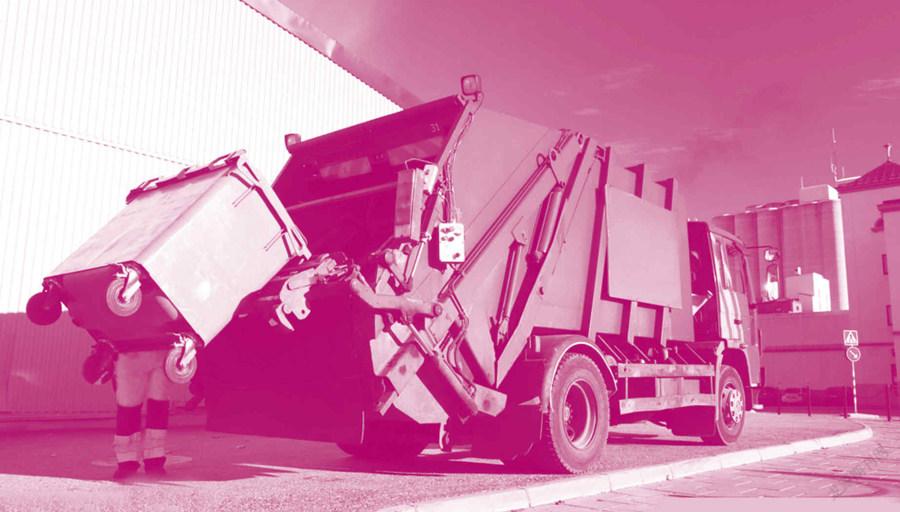
One thing for sure: it’s never too hard to throw your garbage in Indonesia. What Indonesians commonly do is putting their trashes in their personal garbage area which is usually located at the front of their house, right at the side of the street. Put it there, and the garbage collectors with their big garbage truck or rusty garbage stroller will pick their trashes up.
Things aren’t quite different if you live in the apartment in Indonesia. Collect it, wrap it in a tight plastic bag if you wish, then put it outside your room or a special corner in your floor hallway, designated for a waste collection area.
Waste collection bill in Indonesia is expected to be paid personally to the garbage collection agent—no tax added. It’s simply a cost for garbage workers fee and garbage truck transportation fee. Bring your wastes to your nearest dumping site or landfill and you don’t need to pay for anything.
有一件事可以肯定:在印尼扔垃圾从来不会太难。印尼人通常将垃圾放置在个人垃圾区域内,一般位于屋前、紧靠路边。之后,垃圾回收人员会用大型垃圾卡车或铁锈色垃圾推车将垃圾收走。
如果住在印尼的公寓里,情况也大同小异。将垃圾集中起来,愿意的话可以用塑料袋包紧,再放于房门外或楼道里指定作为垃圾回收区域的专用角落即可。
在印尼,垃圾回收费用由个人支付给垃圾回收机构——无须缴税。垃圾回收费仅包括垃圾工的人力和垃圾车的运输费用。如果自己将垃圾送至最近的垃圾场或填埋场,则无须支付任何费用。
导读:不同国家有不同的废弃物分类体系。各国采取的规则通常取决于该国现有的废弃物管理技术以及政府的未来规划。接下来让我们一起来看看各国的垃圾分类文化吧。
Germany: The leader of the world’s waste-recycling race
德国:全球废弃物循环利用领先者
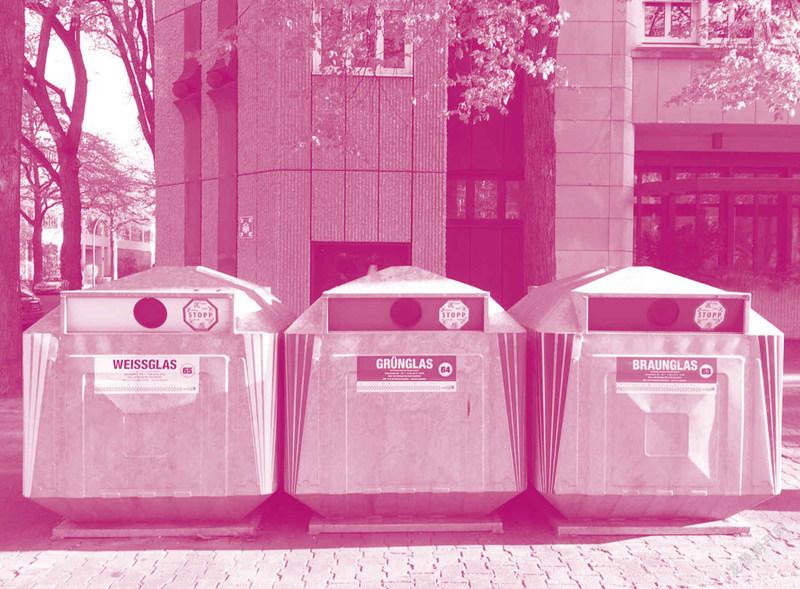
Germany is the country with the world’s number one recycling system. The country has a quite detailed way of sorting their waste—down to the color of the glass waste you wished to throw away, the type of paper that could be put inside the paper waste bin, separate bin for metals, another different bin for plastic, another different bin for ceramic or broken glass, etc.
Here below are what you should know about Germany’s waste sorting system:
● You are expected to gather your waste in your apartment/housing area’s local public garbage bins along with the other residents.
● There are commonly 7 public garbage bins available in the German’s apartment/housing area:
1. Blue bin—for paper and cardboard, greasy pizza box goes to the gray bin!
2. Green and white bin—for glass, different bins for different glass colors, not available for Christmas ornaments and light bulbs!
3. Yellow/orange bin—for plastic and metals.
4. Brown bin—for biodegradable goods.
5. Gray/black bin—for everything else that can’t be recycled such as used diaper, kitty litter, animal waste, and ashes.
● Some items do not belong in your apartment/housing area’s public garbage bins. Items like used batteries, electronics, unused paints, light bulbs, and appliances must be returned to the special agents/locations so they can be recycled. Other items such as clothes, shoes, and oversized trash and furniture are advised to be sold or donated.
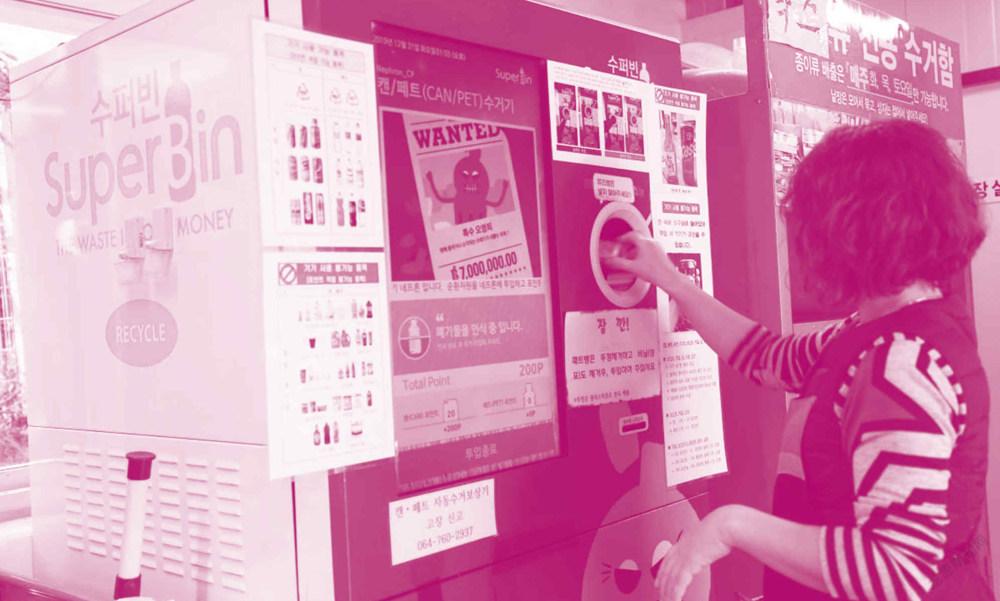
● There’s this thing called Pfand in Germany, a certain portion of the price on a bottled drink that you get back if you return the said bottle to a certified outlet. German law requires all shops over a certain size selling bottled drinks have to have a place to return bottles with deposits.
德國拥有世界最好的循环利用体系。该国的废弃物分类十分细致——细到根据玻璃的颜色分别丢弃,根据纸张的类型确定能否扔进纸张回收箱,金属、塑料、陶瓷、碎玻璃等也都有各自不同的回收箱。
关于德国的废弃物分类体系,你应当了解以下信息:
·须和其他住户一样,将垃圾集中至所在公寓/住宅区的公共垃圾箱中。
·德国的公寓/住宅区通常提供七种垃圾箱:
1. 蓝箱——投放纸张和纸板,油腻的比萨盒要投进灰箱中!
2. 绿白箱——投放玻璃,不同颜色的玻璃投进不同的箱子,不能投放圣诞装饰和灯泡!……
登录APP查看全文
猜你喜欢
数学小灵通(1-2年级)(2021年4期)2021-06-09 06:25:56
大众健康(2021年6期)2021-06-08 19:30:06
小聪仔(科普版)(2020年12期)2021-01-18 09:16:52
东方少年·布老虎画刊(2020年4期)2020-06-08 15:48:10
学生天地(2019年32期)2019-08-25 08:55:22
小天使·一年级语数英综合(2017年11期)2017-12-05 18:49:56
初中生世界·七年级(2017年9期)2017-10-13 22:27:46
少儿科学周刊·儿童版(2017年3期)2017-06-29 21:30:17
少儿科学周刊·少年版(2015年3期)2015-07-07 21:00:00