两种市售螺蛳的重金属含量检测及其食用安全分析
2021-04-25 16:12:14林伟君刘旭辉陆素芬苏亚渊覃勇荣
天津农业科学
2021年3期
林伟君 刘旭辉 陆素芬 苏亚渊 覃勇荣
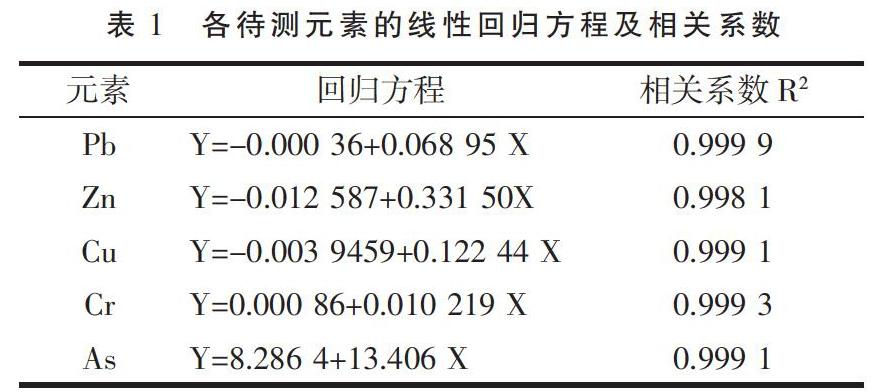

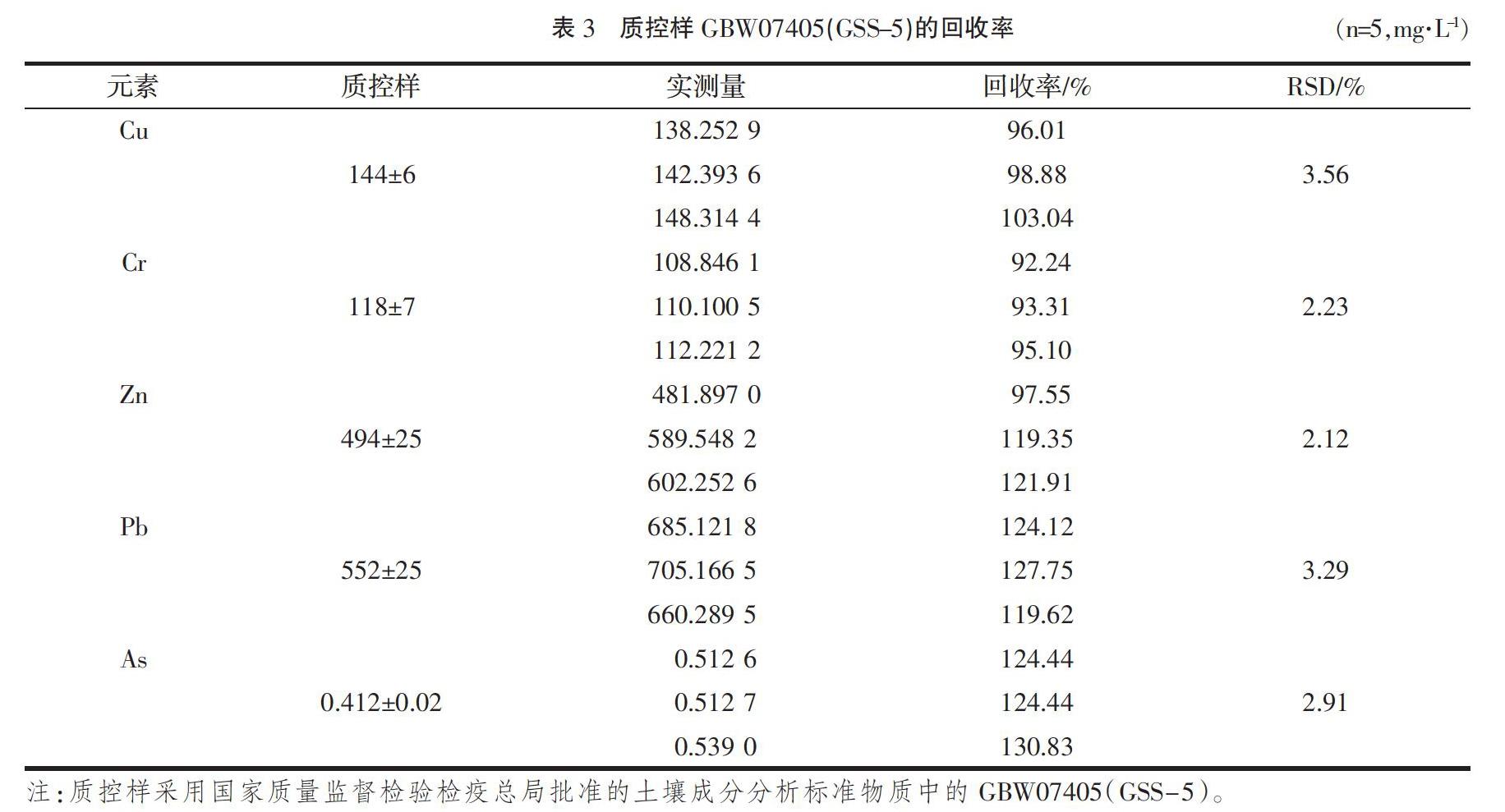
摘 要:為了说明环境污染对食品安全的影响,2018 年5 月至2019 年3 月,在当地市场随机采集了2种不同的螺蛳样品共8 批次,用原子吸收光谱法和原子荧光光谱法,分别对其足肌、内脏团及螺壳中的5种重金属元素Cr、Zn、Cu、Pb和As的含量进行测定。结果表明:① 以干质量计算,市售2种螺蛳不同部位的Cr、Zn、Cu、Pb、As含量分别为20.78~332.40 mg·kg-1,0~808.40 mg·kg-1,0.48~440.10 mg·kg-1,0.16~17.35 mg·kg-1,26.64~58.04 mg·kg-1;以鲜质量计算,其含量分别为4.19~166.17 mg·kg-1,0~153.60 mg·kg-1,0.38~106.58 mg·kg-1,0.04~3.30 mg·kg-1,6.08~49.31 mg·kg-1(无机砷为0.18~1.48 mg·kg-1),螺蛳体内不同重金属含量的大小排序为Cr>Zn>Cu>As>Pb; ② 不同重金属元素在螺蛳体内累积的数量有较明显差异,其中 Zn、Cu元素为内脏团>足肌>外壳;As、Pb元素为外壳>内脏团>足肌;Cr元素为足肌>内脏团>外壳;③ 在随机检测的8个批次螺蛳样品中,部分重金属含量超过了国家食品安全的相关标准,其食用部分最高超标倍数达30倍以上;其中,铬含量超标比较严重(最高达30多倍),铅含量超标则相对较轻(3倍左右),无机砷含量没有超标。④ 经过吐泥处理后的螺蛳,其体内的重金属含量虽有一定程度降低,但仍超过了国家食品安全的限值。由此可见,长期食用产自受重金属污染水体的螺蛳,对人体健康存在一定的安全风险。
关键词:市售螺蛳;重金属含量;食用安全
中图分类号: X503.225 文献标识码:A DOI 编码:10.3969/j.issn.1006-6500.2021.03.015
Heavy Metal Content Detection and Edible Safety Analysis of Two Snails Sold in Local Market
LIN Weijun, LIU Xuhui, LU Sufen, SU Yayuan, QIN Yongrong
(School of Chemistry and Bio-engineering, Hechi University, Yizhou, Guangxi 546300, China)
Abstract: In order to illustrate the impact of environmental pollution on food safety, from May 2018 to March 2019, a total of 8 batches of 2 different snail samples were randomly collected at local market, and atomic absorption spectrometry and atomic fluorescence spectroscopic methods were used to determine the content of five heavy metal elements Cr, Zn, Cu, Pb and As in the foot muscles, visceral mass and snail shell respectively. The results showed that: ① Calculated by dry weight, the contents of Cr, Zn, Cu, Pb and As in different parts of the two commercially available snails were 20.78-332.40 mg·kg-1, 0-808.40 mg·kg-1, 0.48-440.10 mg·kg-1, 0.16-17.35 mg·kg-1, 26.64-58.04 mg·kg-1, respectively; calculated by fresh weight, its contents were 4.19-166.17 mg·kg-1, 0-153.60 mg·kg-1, 0.38-106.58 mg·kg-1, 0.04-3.30 mg·kg-1, 6.08-49.31 mg·kg-1(inorganic arsenic was 0.18-1.48 mg·kg-1) respectively, the order of the content of different heavy metals in snails was Cr>Zn>Cu>As>Pb; ② There were obvious differences in the amount of different heavy metal elements accumulated in the snails. among them, Zn and Cu elements were visceral mass > foot muscle > shell, As and Pb elements were shell > visceral mass > foot muscle, Cr element was foot muscle > visceral mass > shell; ③ Among the 8 batches of snail samples randomly tested, some of the heavy metal content of the snails exceeded the relevant national food safety standards, and the maximum edible part exceeded the standard by more than 30 times. among them, the chromium content exceeded the standard more serious ( up to more than 30 times ). If the lead content exceeds the standard, it was relatively light ( about 3 times ), and the inorganic arsenic content did not exceed the standard; ④ After spitting mud, the heavy metal content in the snails had been reduced to a certain extent, but it still exceeded the national food safety limit. It can be seen that long-term consumption of snails produced in water polluted by heavy metals poses a certain safety risk to human health.
Key words: snails sold in local market; heavy metal content; edible safety
螺蛳是软体动物门腹足目田螺科螺蛳属中若干小型种的通称,其肉质鲜美,资源丰富,分布范围广,营养价值高[1-5]。相关研究结果表明,螺蛳对水体中的重金属有较强的富集能力,且对不同重金属元素的富集效果有显著差异,食用产自污染区域不明水体的螺蛳可能存在一定的安全风险[6-7]。端正花等人研究发现,中国圆田螺对镉污染有……
登录APP查看全文