栽植方式对盐碱地枸杞幼苗的影响
2021-07-25 16:11:05付全樊光辉张得芳段国珍苏彩风
甘肃农业科技
2021年6期
付全 樊光辉 张得芳 段国珍 苏彩风
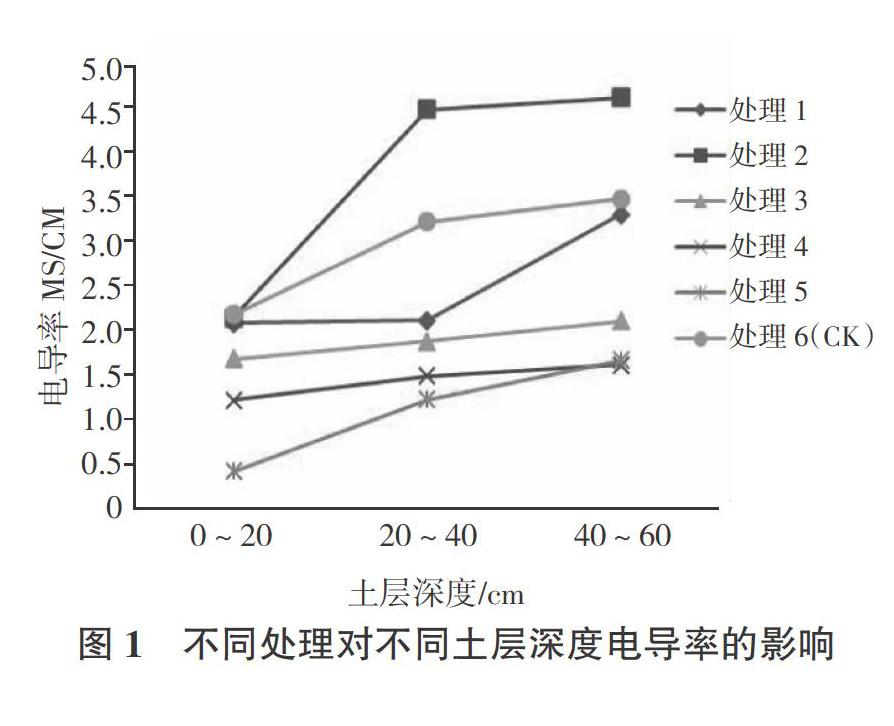
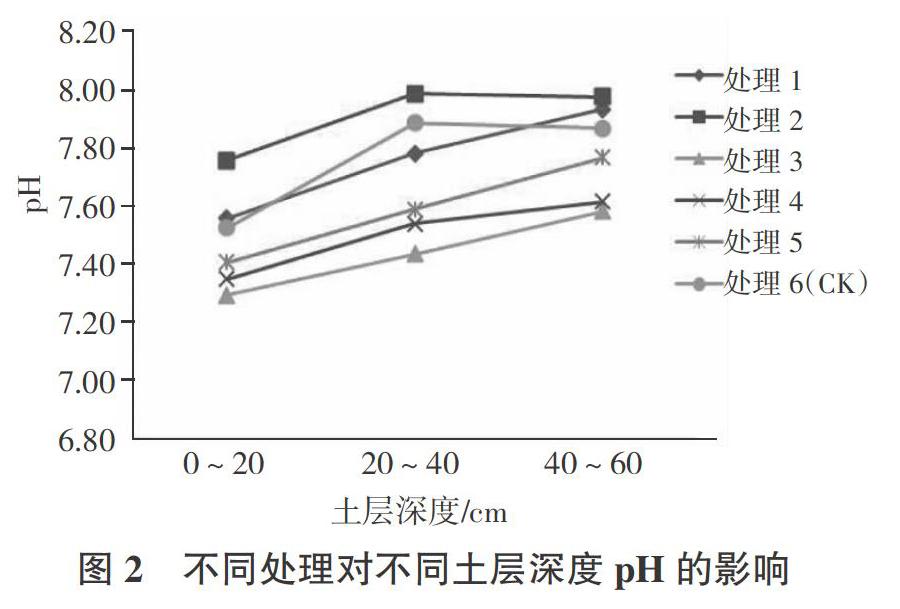

摘要:在柴达木盆地研究了枸杞不同栽植方式对其幼苗及土壤盐碱性的影响。结果表明,地下30 cm处铺地膜及稻草、地下30 cm处铺地膜、地下30 cm处铺稻草、沟壑栽植及起垄栽植均可增加枸杞叶片面积,但对土壤pH影响不大。其中沟壑栽植及起垄栽植的土壤电导率较低,使盐分对植株的影响大大减小,能够提高枸杞幼苗的成活率及叶片吸收水分的能力。综合考虑,沟壑和起垄栽植是盐碱地枸杞栽植的适宜方式。
关键词:盐碱地;栽植方式;枸杞;成活率;柴达木盆地
中图分类号:S567.19 文献标志码:A 文章编号:1001-1463(2021)06-0037-05
doi:10.3969/j.issn.1001-1463.2021.06.010
Effects of Different Planting Methods on Lycium barbarum Seedlings in Saline-alkali Soil
FU Quan 1, FAN Guanghui 2,3, ZHANG Defang 2,3, DUAN Guozhen 2,3, SU Caifeng 1
(1. Qinghai University, Xining Qinghai 810016, China;2. Academy of Agriculture and Forestry, Qinghai University, Xining Qinghai 810016, China;3. Qinghai Plateau Key Laboratory of Tree Genetics and Breeding, Xining Qinghai 810016, China)
Abstract:The effects of different planting methods of Lycium barbarum on its seedling and soil salinity were studied in Qaidam Basin. The results showed that it is all increased leaf area of Lycium barbarum which mulching with plastic film and straw at 30 cm underground, mulching with plastic film at 30 cm underground, mulching with straw at 30 cm underground, planting in furrows and planting on ridges, but had little effect on soil pH. Among them, the soil electrical conductivity of planting in furrows and planting on ridges was low, which greatly reduces the effect of salt on the plant, and can improve the survival rate of Lycium barbarum seedlings and the ability of leaf to absorb water. In conclusion, planting in furrows and ridges are the suitable planting methods of Lycium barbarum in saline-alkali land.
Key words:Saline-alkali land;Planting method;Lycium barbarum;Survival rate;Qaidam Basin
枸杞(Lycium L.)是一種耐干旱、耐盐性和抗热性较强的的喜阳树种,在我国主要分布于宁夏、甘肃、青海、新疆、内蒙古等西北地区[1 ],是集经济、生态、社会的价值效益于一体优良灌木树种之一[2 ],果实富有花青素、多酚、多糖、矿质元素、维生素E等多种对人体有益的物质[3 ];枸杞树具有很强的抗逆性,也是优良的荒漠化治理树种,在我国西部地区发挥着治理风沙、防止水土流失,改善小气候等不可磨灭的作用[4 - 9 ]。目前,枸杞大多做垄栽植,该栽植方式有利于增大根系活动面积,疏松土壤,增强与空气、阳光的接触面积,进而有利于植株的生长[10 ]。但每当夏、秋时节当地温过高时,会对植株根部有所损伤,使根部对水肥吸收的能力有所减弱,根部抗病能力下降,进而增加病虫害发生的几率。在冬季寒冷时,地下铺设地膜和稻草能够有效的保护地下热量不易快速散失,使植物依然能够正常生长[11 ]。……
登录APP查看全文