狮锦争妍:丝绸之路织锦技艺交融与发展
2021-08-05 03:22:16孙志芹李细珍李昕凯
丝绸
2021年6期
孙志芹 李细珍 李昕凯


摘要: 古代织锦中“狮子纹”具有明显的时代性与地域特征,从经锦狮纹到纬锦狮纹的流行不仅是中西织锦货物贸易的关系,也是丝绸之路上多元文化相互渗透的难得实例。文章以北朝至唐时期遗存狮纹锦为研究对象,对其进行类型学、纺织科技学、艺术考古学等方面再解读,从狮纹锦的艺术特征和织造特点两方面,探析狮纹锦本土化演绎历程。研究认为:起于丝路贸易模仿的狮纹锦,并不是被动的吸收,而是在模仿中不断改进织锦技术,最终形成具有本土文化属性的狮纹锦。本土狮纹锦的成因与社会文化背景、织工自身的知识体系关系紧密。
关键词: 狮纹锦;组织结构;织制特点;经锦;纬锦;丝绸之路;丝路贸易
中图分类号: TS941.12;K876.9
文献标志码: B
Abstract: The "lion pattern" in ancient brocade has obvious epochal and regional characteristics. The popularity of lion patterns from warp brocade to weft brocade is not only about the trade relationship between Chinese and Western brocade goods, but also provides a rare example for the mutual infiltration among diversified cultures along the Silk Road. In this paper, the surviving lion pattern brocade from the Northern dynasties to the Tang dynasty is taken as the research object, and it re-interpreted from such aspects as typology, textile technology, art archaeology. From the artistic characteristics and weaving characteristics of lion pattern brocade, the localization process of lion pattern brocade is explored. Our research shows that the lion pattern brocade originated from the imitation during the Silk Road trade. The brocade weaving technique is not assimilated passively, but constantly improved during imitation and finally forms the lion pattern brocade with local cultural attributes. The origin of local lion brocade is closely related to the social and cultural background, as well as knowledge system of weavers themselves.
Key words: lion pattern brocade; fabric structure; weaving characteristics; warp brocade; weft brocade; Silk Road; Silk Road trade
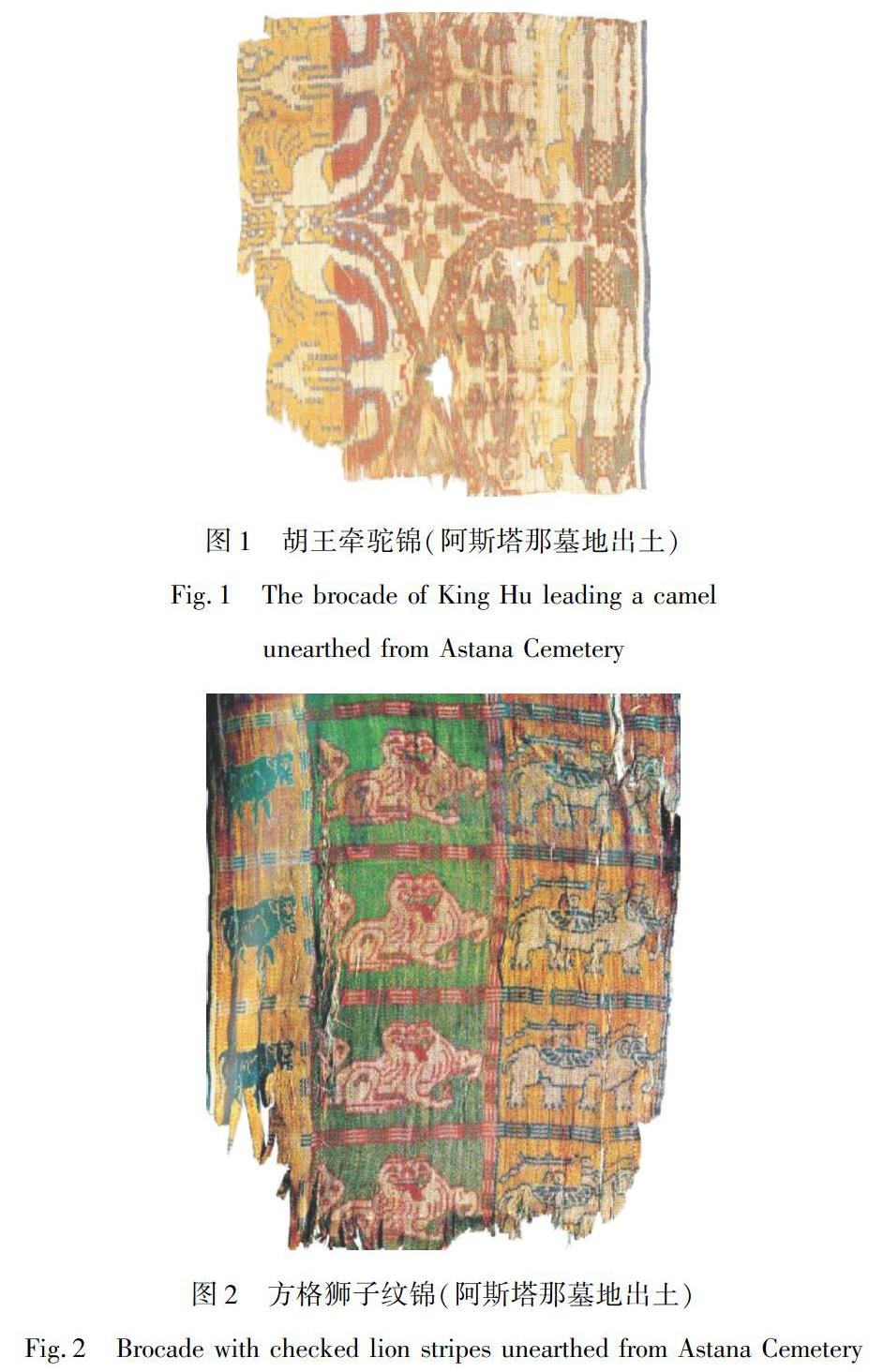
狮子图像是中国传统美术形象的重要组成部分。传说中的狮子是引领中国狮文化兴盛的真正源头,各类充满想象的狮子形象遍布各類建筑、器物的装饰中。随着丝绸之路畅通,东西货物交流的频繁,西域狮大量涌入中原,更多人见到了真狮,早先充满神异色彩的抽象图形逐渐向写实性演变。伴随佛教艺术的东传,狮子图像被赋予更多的意义,成为人们喜闻乐见的传统吉祥纹样,艺术形象深入到雕塑、丝织、印染、陶瓷等领域。本文选择北朝至唐时期存世狮纹锦,分析丝绸之路东西方织锦艺术与技术的交融对中国织锦技术的促进。目前对“狮纹锦”的研究主要集中在以……
登录APP查看全文