基于XGBoost和神经网络拟合预测模型的辛烷值损失的预测
2021-08-09 11:22:29朱怡欣
智能计算机与应用
2021年3期
朱怡欣
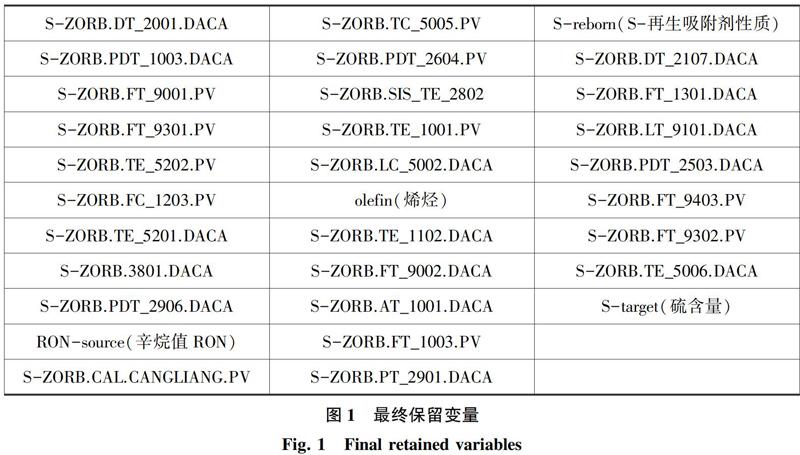
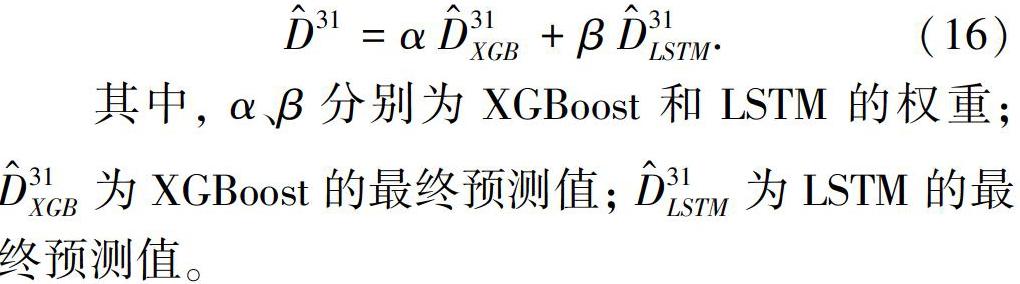
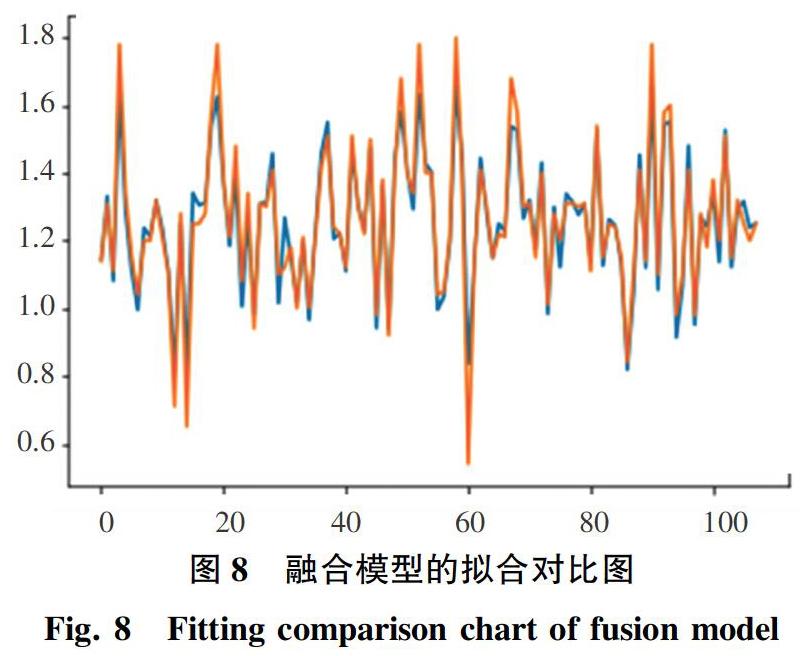
摘 要: 汽油清洁化重点是降低汽油中的硫、烯烃含量,同时尽量保持其辛烷值。降低辛烷值(RON)损失是国内车用汽油质量升级的主要目标之一。本文针对某石化企业的催化裂化汽油精制脱硫装置运行收集的数据进行处理,探求数据样本中变量与变量本身、其他自变量及目标变量等之间的相关性,对特征变量进行多阶段降维,进而通过XGBoost和LSTM循环神经网络对汽油辛烷值损失进行建模,通过对预测结果的统计表明该方法在企业辛烷值损失预测中具有较好的表现,为国内车用汽油技术升级提供一定的指导作用。
关键词: 辛烷值损失;XGBoost;LSTM
文章编号: 2095-2163(2021)03-0185-05 中图分类号:TE621 文献标志码:A
【Abstract】The focus of gasoline cleaning is to reduce the sulfur and olefin content in gasoline while maintaining its octane number as much as possible. Reducing the loss of octane number (RON) is one of the main goals of China's automotive gasoline quality upgrade. This paper deals with the data collected from the operation of the catalytic cracking gasoline refinery desulfurization unit of a petrochemical company, and explores the correlation between the variables in the data sample and the variables themselves, other independent variables and target variables, and performs multi-stage dimensionality reduction on the characteristic variables. Furthermore, the gasoline octane loss is modeled by XGBoost and LSTM recurrent neural network, and the statistics of the prediction results show that this method has a good performance in the prediction of enterprise octane loss, which provides a certain guidance for the upgrading of China's automotive gasoline technology.
【Key words】 octane loss; XGBoost; LSTM
0 引 言
汽油作為小型汽车的主要燃料,其燃烧产生的尾气对环境造成了恶劣的影响。世界各国都制定非常严格的汽油标准。随着国内经济的迅速发展,汽车保有量在持续增长,汽油的需求量也在逐年加大。因此国内大力发展了以催化裂化为核心的重油轻质化工艺技术,充分利用了原油中的重油资源,将重油转化为汽油、柴油和低碳烯烃。超过70%的汽油是由催化裂化生产得到,因此成品汽油中95%以上的硫和烯烃来自催化裂化汽油。辛烷值是反映汽油燃烧性能的重要指标,辛烷值每降低1个单位,相当于损失约150元/吨。以一个100万吨/年催化裂化汽油精制装置为例,若能降低RON损失0.5个单位,其经济效益将达到7 500万元。
1 研究方法与基本假设
1.1 研究方法
首先,研究根据样本……
登录APP查看全文