尿素箱水加热电磁阀失效模式及监测方法的研究
2021-09-10 07:22:44刘成龙薛金强张海涵
内燃机与配件
2021年14期
关键词:技术
刘成龙 薛金强 张海涵
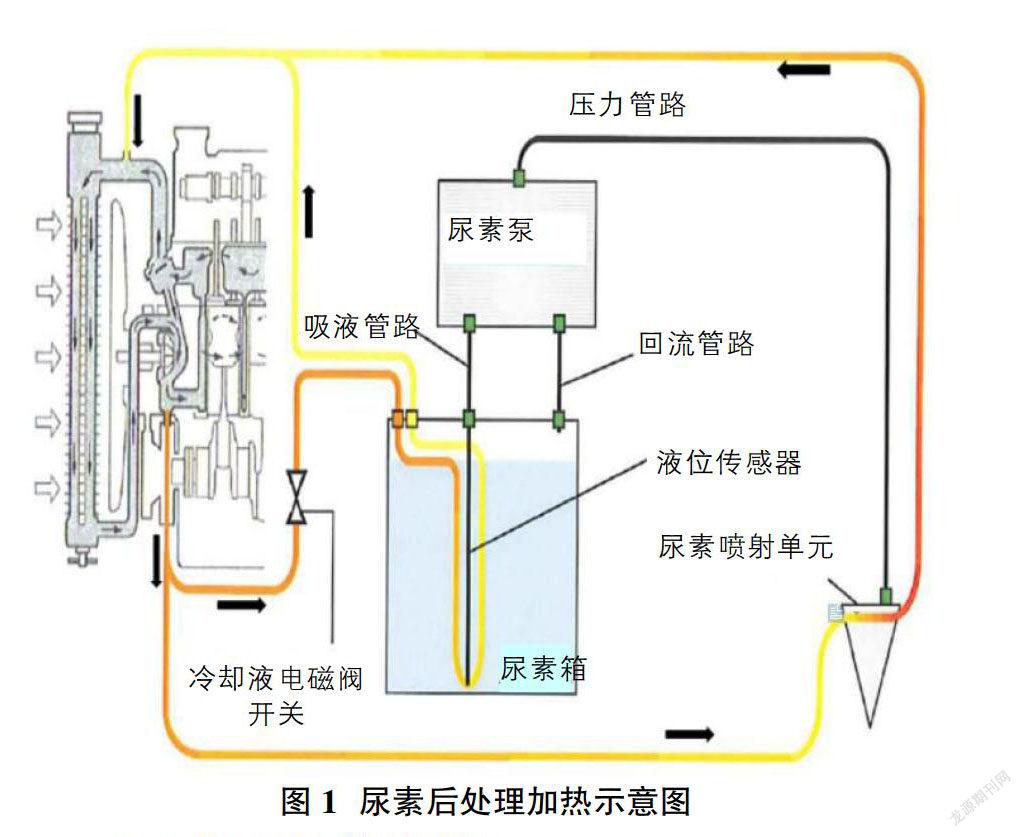
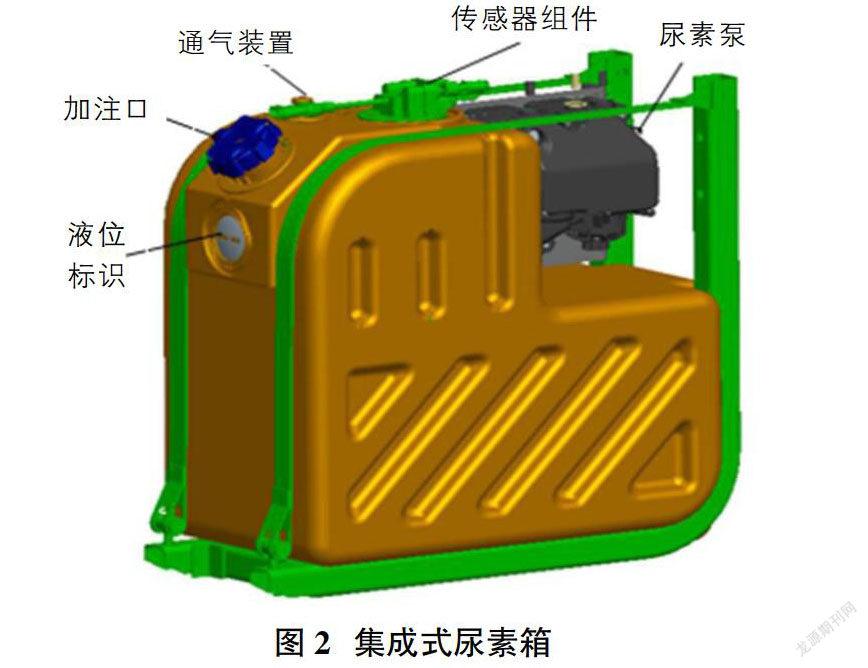
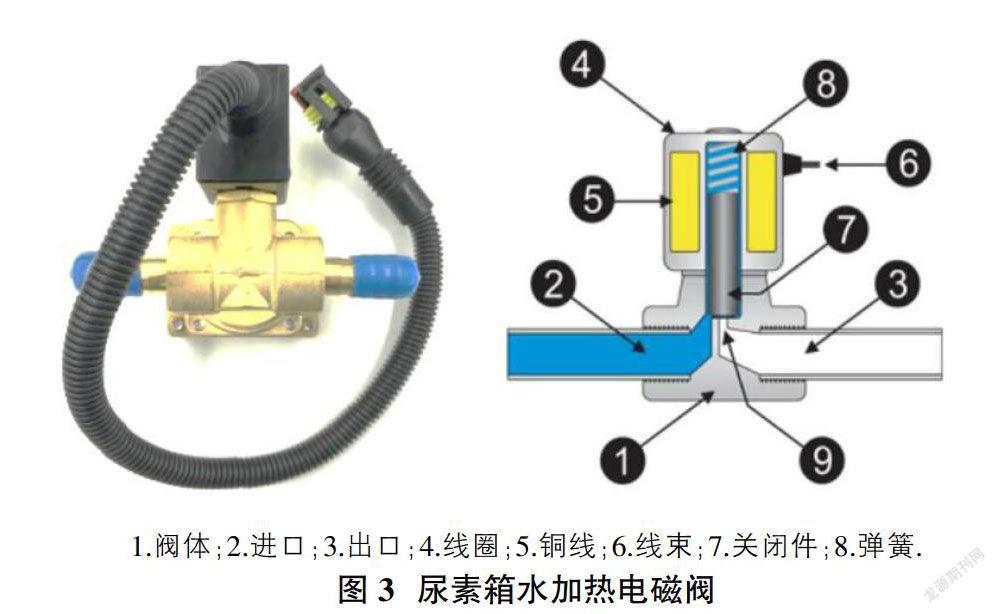


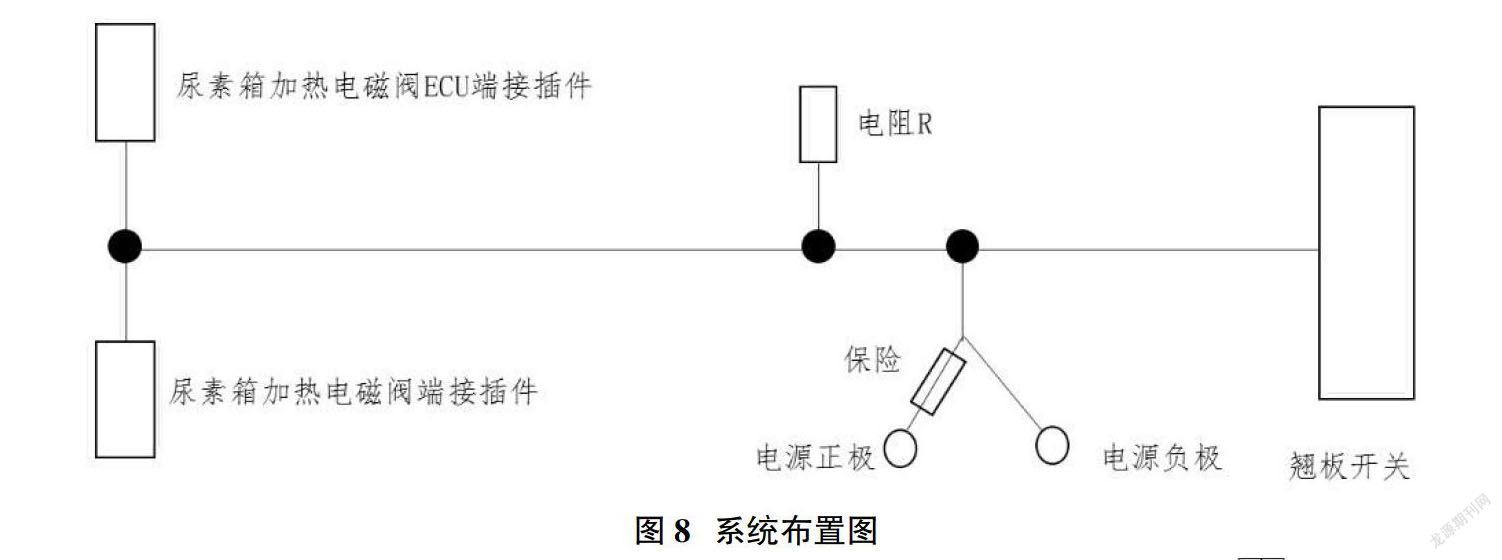
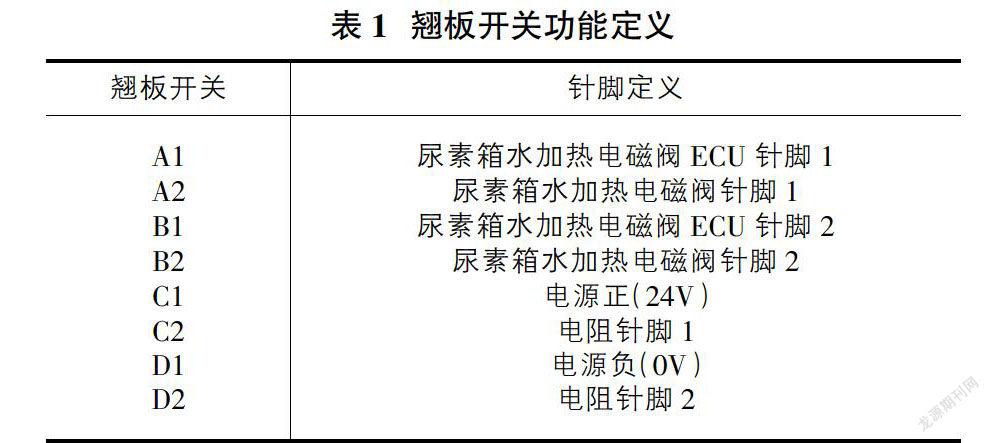
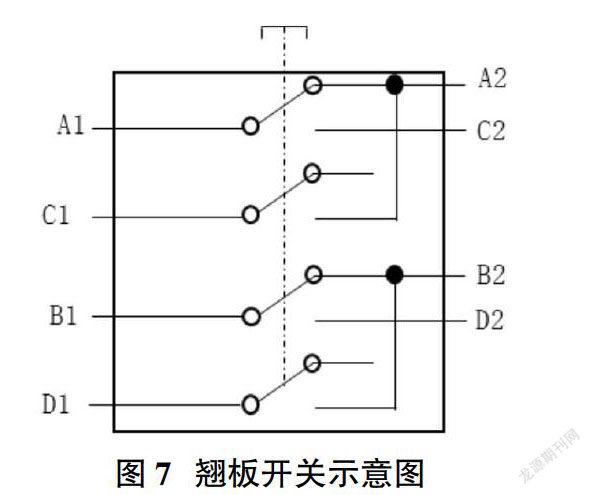
摘要:随着国家对环境污染问题的日益重视,对于汽车尾气排放的要求也越来越严格。目前,国内消除尾气中的NOX(氮氧化物)主要技术路线是通过SCR(选择性催化还原)技术,利用尿素的还原性将NOX还原成N2。针对尿素低温结晶特性,尿素箱水加热电磁阀控制发动机冷却水对尿素箱进行加热,其失效会使尿素溶液过加热,导致尿素溶液性能下降,从而发生SCR转换效率过低问题。本文主要从尿素箱水加热电磁阀工作原理、控制逻辑出发,研究市场常见的失效模式,并提出一种监测方法,便于高效的判断故障点,避免引起后处理故障。
Abstract: With the increasing attention of the country to the problem of environmental pollution, the requirements for automobile exhaust emissions are more and more strict. At present, the main technical route to eliminate NOX(nitrogen oxide) in exhaust gas in the domestic is to reduce NOX to N2 through SCR (selective catalytic reduction) technology, using the reducibility of urea. According to the characteristics of low temperature crystallization of urea, the cooling water of the engine is heated by the solenoid valve of the water heating in the urea tank. The failure of the valve will make the urea solution overheated, which leads to the deterioration of the performance of the urea solution and the low SCR conversion efficiency. Based on the working principle and control logic of the water heating solenoid valve in the urea tank, this paper studies the common failure modes in the market, and puts forward a monitoring method, which is convenient to judge the fault points efficiently and avoid causing post-processing faults.
關键词:NOX(氮氧化物);SCR(选择性催化还原)技术;尿素箱;水加热电磁阀
Key words: NOX(Nitrogen Oxide);SCR(Selective Catalytic Reduction);urea tank;water heating solenoid valve
中图分类号:U464.172 ; 文献标识码:A 文章编号:1674-957X(2021)14-0001-03
0 引言
柴油机相对于汽油机而言,不是根据当量比进行燃烧,因而其拥有功率大,运行效率好,成本低等诸多优点,因此在商用车、工程车辆、特种机械等多重领域广泛应用,但是其排放包括氮氧化物等污染物含量过高的缺点同样比较突出。目前,国家对环境污染问题日益重视,车辆的排放法规也逐渐严格并不断升级。对国外柴油机技术调研发现,发动机本体的机内控制技术与国内基本一致,例如:优化燃烧室,减少发动机内摩擦;提高高压共轨系统的喷射压力,提升雾化效果;采用高效增压器以及采用先进的EGR技术等。而针对后处理系统我国采用尿素-SCR后处理技术偏多,它具有燃油经济性好、安全性好等优点。……
登录APP查看全文
猜你喜欢
中国科技博览(2016年19期)2016-10-19 12:44:57
中国科技博览(2016年19期)2016-10-19 12:07:10
中国科技博览(2016年19期)2016-10-19 11:56:58
中国科技博览(2016年18期)2016-10-19 11:28:27
中国科技博览(2016年18期)2016-10-19 11:16:57
中国科技博览(2016年18期)2016-10-19 11:12:23
中国科技博览(2016年18期)2016-10-19 09:33:57
中国科技博览(2016年18期)2016-10-19 09:04:19
中国科技博览(2016年18期)2016-10-19 08:55:40
科技视界(2016年21期)2016-10-17 20:00:58