
心先安在重症充血性心力衰竭治疗中的应用
2021-11-20 23:36:58侯鹏
大健康
2021年1期
侯鹏
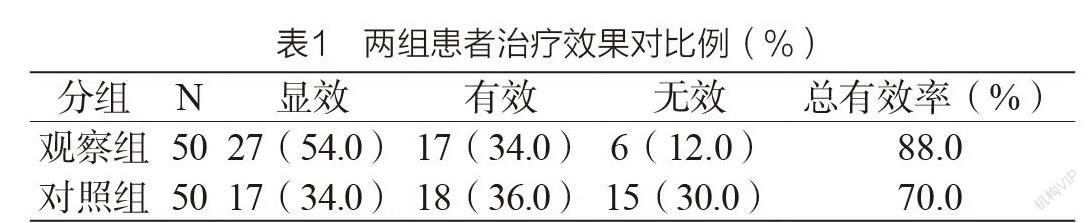

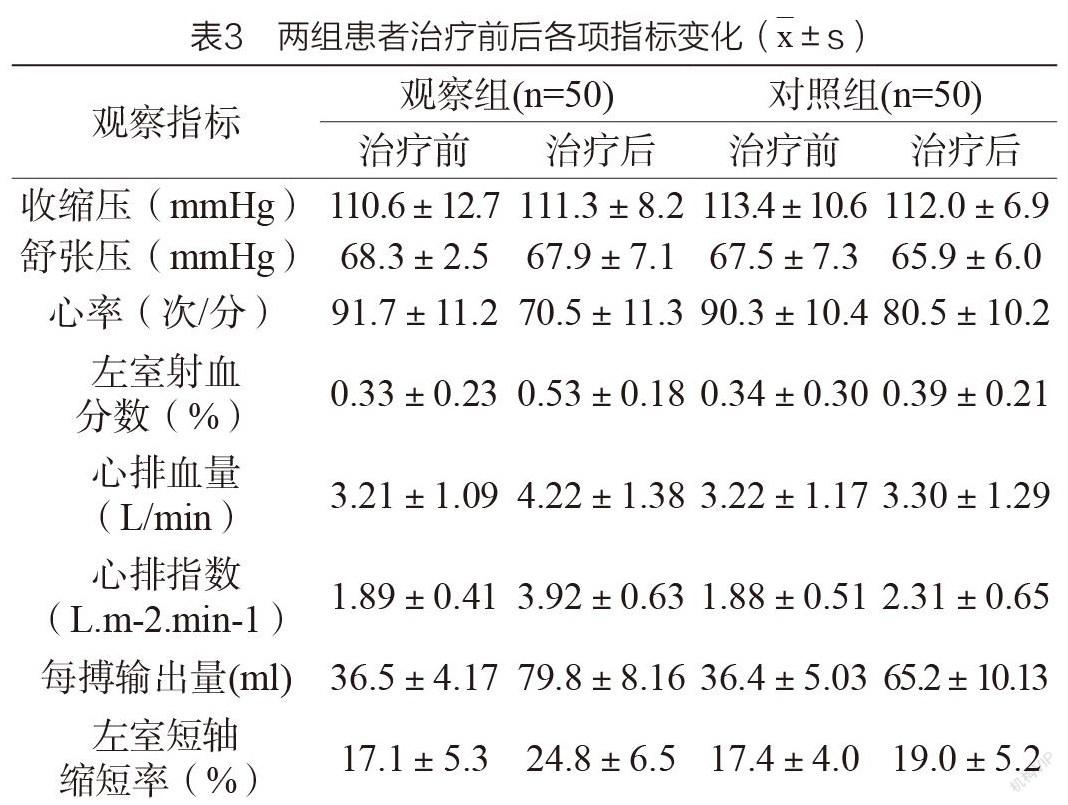
摘 要:目的:探讨心先安治疗重症充血性心力衰竭的临床疗效。方法:连续收集2012年10月~2014年2月期間于我院就诊的重症充血性心力衰竭患者100例相关资料,按照入院顺序随机分为观察组和对照组,各50例。对照组接受常规治疗,观察组在此基础上加用心先安180mg加入10%葡萄胎注射液250ml中静脉滴注,14d后对比两组治疗效果、心功能分级、左室射血分数、心排指数等。结果:观察组治疗总有效率高于,再住院率低于对照组的,差异具有统计学意义(P<0.05);治疗后,观察组患者心功能分级、血压、HR、LVEF、CI、FS、SV等均优于对照组,差异具有显著性(P<0.05);观察组6min步行距离较对照组明显延长(P<0.05)。结论:心先安可改善重症充血性心衰患者心功能,降低再住院率。
关键词:心先安;重症充血性心力衰竭;心脏功能
Abstract: objective To explore the heart Ann first clinical curative effect for the treatment of severe congestive heart failure. Methods Collection in October 2012 to February 2014 in our hospital during the period of 100 patients with severe congestive heart failure related information, according to admission order were randomly pided into observation group and control group, 50 cases each. Control group accepted routine treatment, the observation group based on this intention to 180 mg of Ann to join 10% hydatidiform mole injection intravenous drip in 250 ml, compared two groups of treatment effect after 14 d and grade of cardiac function and left ventricular ejection fraction and cardiac index, etc. Results Treatment group total effectiveness is higher than the observed, then the hospitalization rate is lower than the control group, the difference is statistically significant (P < 0.05); After treatment, the observation group of patients with cardiac function classification, blood pressure, HR, LVEF, CI, FS and SV were superior to control group, with significant difference (P < 0.05); The observation group 6 min walking distance was significantly longer (P < 0.05). Conclusion The heart first encore improves cardiac function in patients with severe congestive heart failure, reduce hospitalization rates again.
Key words: Heart Ann first; Severe congestive heart failure;Heart function
重症充血性心力衰竭是任何原因的初始心肌损伤引起心肌构成与功能变换,最终导致心室泵血功能低下的临床症状群,也是心血管疾病的严重阶段,且在已经出现重症充血性心力衰竭的患者中,绝大多数伴有高血压、糖尿病、肾功能不全等特征性临床表现[1,2]。本研究通过采用心先安对重症充血性心力衰竭患者进行治疗,旨在对CHF的救治寻求一种用之有效的药物,最大限度恢复患者心功能,改善预后。详细报道如下。
1资料与方法
1.1 临床资料
连续收集2012年10月~2014年2月期间于我院就诊的重症充血性心力衰竭患者100例相关资料,均符合叶任高主编的《内科学》中有关充血性心力衰竭的诊断标准[3]。(男58例,女42例;年龄39~77岁,平均年龄(55.2±8.9)岁;病程3个月~12年,平均病程(5.6±3.9)年;心功能NYHA分级:Ⅲ级54例,Ⅳ级46例。其中风湿性心脏瓣膜病31例,扩张型心脏病29例,冠心病20例,高血压性心脏病20例。剔除标准:(1)合并急性肺水肿患者;(2)血压:收缩压<80mmHg,脉压差<30mmHg;(3)单纯性主动脉瓣,尖瓣狭窄需要外科手术者;(4)肝肾功能不全和闭塞性周围血管疾病者;(4)慢性阻塞性肺病者。按照患者入院顺序随机分为两组,各50例,两组患者年龄、心衰程度、心率、基础心脏病等均无显著性差异(P>0.05),具有可比性。……
登录APP查看全文
