智能超表面技术在智能高铁通信场景的应用探讨
2021-11-28 21:32:18赵亚军章嘉懿艾渤
中兴通讯技术
2021年4期
赵亚军 章嘉懿 艾渤
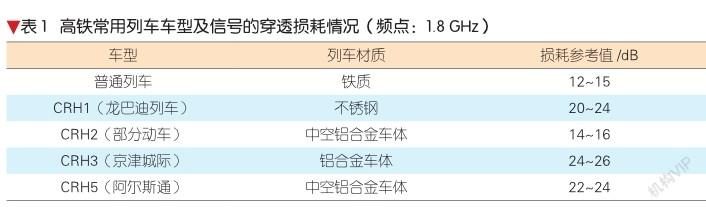
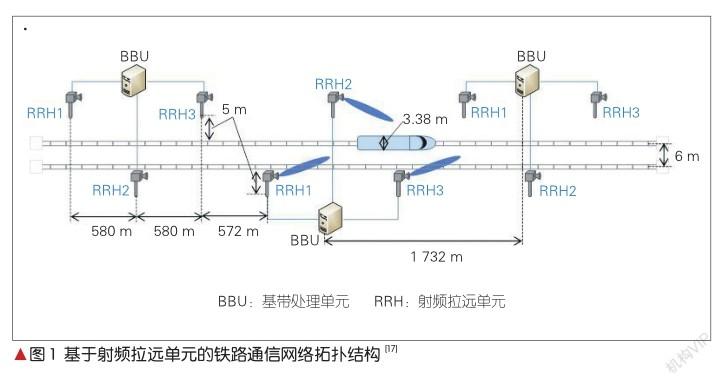
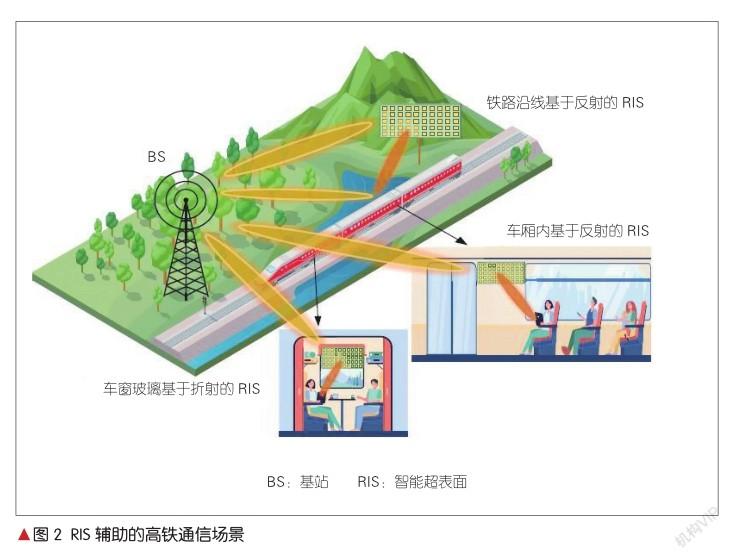
摘要:作为最具发展潜力的5G-Adv和6G关键技术之一,智能超表面(RIS)技术具有低成本、低复杂度和易于部署等特点,为智能高铁通信的发展提供了新契机。介绍了RIS辅助的智能高铁通信的典型应用,包括抑制多普勒频移效应、解决频繁切换问题、克服高穿透损耗问题和支持高精度列车定位。深入讨论了RIS辅助的智能高铁通信中的关键技术,包括信道测量与建模、信道估计与反馈、波束赋形、网络架构与部署。认为智能高铁新基建与RIS构建的电磁新基建的结合,将会给智能高铁带来广阔的前景。
关键词:智能高铁;智能超表面;多普勒频移;穿透损耗;列车定位;信道估计;波束赋形
Abstract: Reconfigurable intelligent surface (RIS) is one of the most promising technologies for 5G-Adv and 6G. It has the characteristics of low cost, low complexity, and easy deployment, which provides a new opportunity to develop intelligent high-speed railway communications. The typical applications of RIS-assisted smart high-speed railway communications are introduced in detail, including suppressing the Doppler shift effect, solving frequent handoff problems, overcoming high penetration loss problems, and supporting high-precision train positioning. The key technologies of RIS-assisted smart high-speed railway communications are discussed in-depth, including channel measurement and modeling, channel estimation and feedback, beamforming, network architecture, and network deployment. It is believed that the combination of the new intelligent high-speed railway infrastructure and the new electromagnetic infrastructure built by RIS will bring broad industrial prospects to the intelligent high-speed railway in the future.
Keywords: smart high-speed railway; reconfigurable intelligent surface; Doppler frequency shift; penetration loss; train positioning; channel estimation; beamforming
近10年来,随着高铁的迅速发展、移动通信技术以及人工智能(AI)技术的进步与融合,高铁已开始从信息化向智能化演进。5G网络天然支持万物互联,因此它的规模商用将会加快高铁智能化的发展。5G技术可以使智能高铁通信更加“高速”和“智能”。但智能高铁通信的工程实现仍极具挑战。
作为一个全新的技术,智能超表面(RIS)技术一经出现就引起了业界的广泛关注。近两年,RIS在学术研究及产业推进上发展迅速,被普遍认为是未来移动通信网络的关键候选技术之一[1-2]。
RIS通常由大量精心设计的电磁单元排列组成,通过给电磁单元上的可调元件施加控制信号,动态控制这些电磁单元的电磁性质,进而以可编程的方式对空间电磁波进行智能调控,并形成幅度、相位、极化和频率可控制的电磁场。……
登录APP查看全文