纸质媒体影响下的当代中国建筑批评场域
2016-04-09 02:24:12李凌燕支文军LILingyanZHIWenjun
世界建筑
2016年1期
关键词:传播
李凌燕,支文军/LI Lingyan, ZHI Wenjun
纸质媒体影响下的当代中国建筑批评场域
李凌燕,支文军/LI Lingyan, ZHI Wenjun
摘要:中国当代建筑批评与大众传媒一路相伴而来,彼此影响,共同塑造了建筑批评的公众认知形象。其中纸质媒体以其时间偏向特质贡献了不同于新媒体的特征面向。本文从建筑批评核心区域的划定、场域特征、批评主体圈层等方面对纸质媒体在中国当代建筑批评传播中的影响进行了研究。
Abstract:Contemporary Chinese architectural criticism and the mass media are closely related. Together, they shape the image of architectural criticism in public cognition, to which the print media has contributed with time-oriented characteristics that are different from the new media. This paper aims to illustrate the print media's influence on the transmission of contemporary Chinese architectural criticism in term of the architectural criticism's core area demarcation, fi eld characteristics, and mainstream circle.
关键词:建筑批评,纸质媒体,传播
Keywords:architectural criticism, print media, communication
国家自然科学基金资助项目 (批准号:51278342)
作者单位:李凌燕,同济大学艺术与传播学院支文军,同济大学建筑与城市规划学院
The Field of Contemporary Chinese Architectural Criticism Under the In fl uence of Print Media
1 媒体的偏向
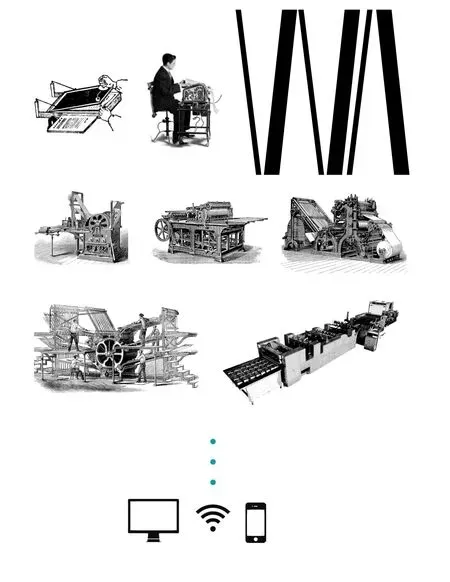
多伦多派传播学理论家哈罗德·亚当斯·英尼斯(Harold Adams lnnis,1894-1952)在其《传播的偏向》(The Bias of Communication)一书中提出,任何一种媒介“都对于在时间或空间范畴内传播知识发挥着重要的作用……若某种媒介本身很重、不易腐坏,那么它更适宜在时间的延续中保存与传递知识;若某种媒介很轻且方便运输,则它更适宜在空间范围内散播知识”[1]。这可以理解为:偏向时间的媒介,如纸质媒体(以下简称“纸媒”),便于小范围区域垄断,实现对时间跨度的控制,有助于权威的敬仰和崇拜,形成森严的等级制度;而偏向空间的媒介,像互联网、移动互联网为代表的新媒体,便于对空间跨度的控制,有利于权力的开展和分散。在这样的定义之下,英尼斯以“时间-空间”为坐标轴来区分与定义单个媒介乃至多种媒介聚合的差异,以此“为勾勒与分析纠结于历史中、错综复杂的传播媒介设立了一套行之有效的标准体系,对传播系统、社会及传播中的文化都产生了影响”[2]。
登录APP查看全文
猜你喜欢
新媒体研究(2016年19期)2016-11-18 19:42:06
新闻爱好者(2016年9期)2016-11-15 19:47:12
新媒体研究(2016年18期)2016-11-15 01:41:45
新媒体研究(2016年18期)2016-11-15 00:42:05
新媒体研究(2016年18期)2016-11-15 00:39:35
人间(2016年28期)2016-11-10 23:30:04
戏剧之家(2016年19期)2016-10-31 17:25:42
戏剧之家(2016年19期)2016-10-31 17:11:16
现代经济信息(2016年19期)2016-10-20 20:43:01
中国记者(2016年6期)2016-08-26 12:56:20