世界优秀男子职业网球运动员年度训练周期特征研究
2016-06-27 11:02:37梁高亮王宏蒋争争
山东体育学院学报
2016年3期
关键词:特征
梁高亮+王宏+蒋争争
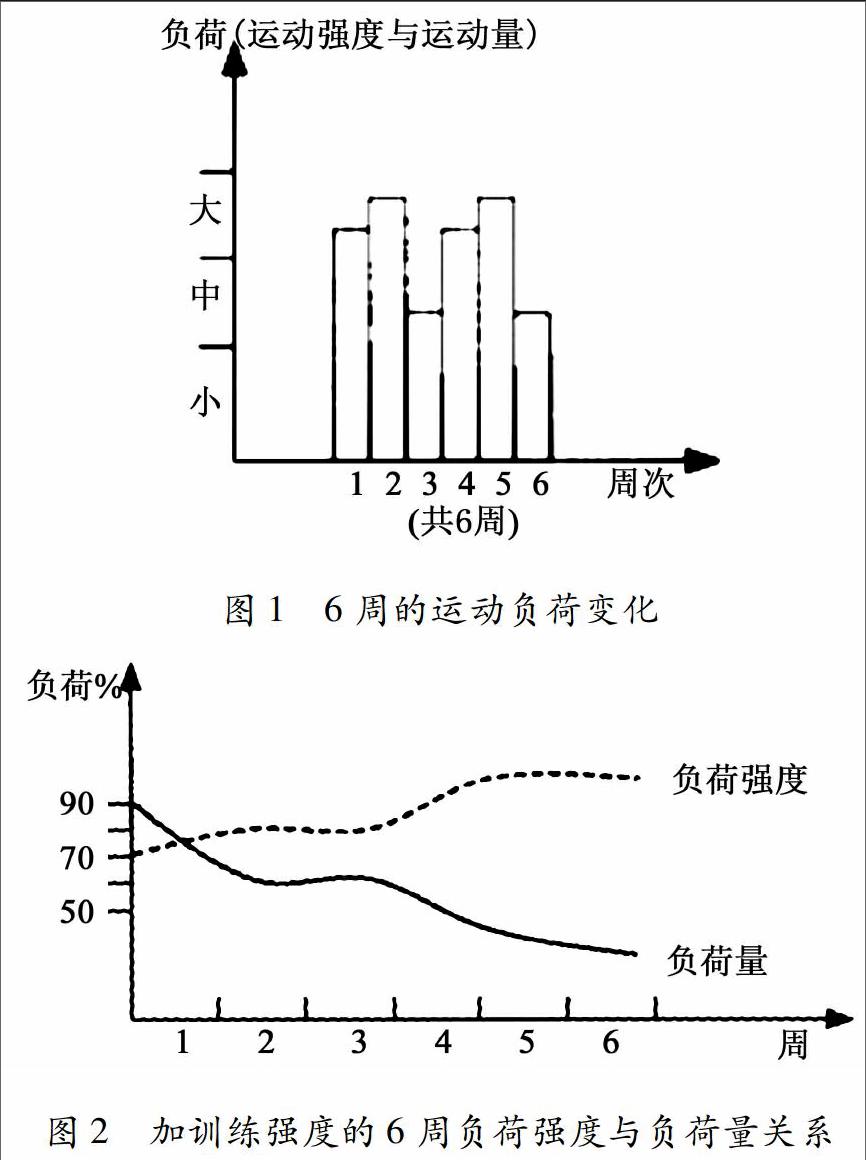

摘要:采用文献资料法,通过个案探讨世界优秀网球运动员年度训练周期时间划分规律,采用访谈法与逻辑归纳法,对世界男子职业网球运动员年度赛间期与休赛期周期训练特征进行研究。研究表明:1)职业网球运动员选赛时间间隔长短、参赛成绩决定了赛间期训练的时间与周期划分数量,运动员按照多周期训练模式与板块训练模式相结合来安排训练过程。2)赛间期训练是两个赛事之间的衔接,发挥“承前启后”的作用;根据运动员状态起伏,采用动态性的设计赛间训练计划;赛间期技战术、体能、康复训练协调搭配为主,保证运动员健康的从事训练与比赛;将赛间期比赛看做训练的一部分,做好训练与比赛的连贯性。3)休赛期是加强体能、提升技战术竞技水平最佳时期;休赛期的运动负荷呈高低变化,负荷强度逐渐增加;模拟比赛场景训练,使运动员适应客观影响因素。4)心理素质和运动智能要与技战术、体能训练相结合,贯穿在年度训练的整个过程中。
关键词:职业网球运动员;训练周期;特征;网球
中图分类号:G845 文献标识码:A 文章编号:1006-2076(2016)03-0079-06
Abstract:The research, by applying literature method, discusses the time division pattern of world top-tier professional tennis player case by case, and through interview and induction, studies on the features of training cycle for annual season and offseason time. The research shows that:1) The length of match time intervals and competition results determines the time and cycle divisions for trainings during the match season. The training procedure is arranged with a combination of multi-cycle training and module training pattern. 2) Training at match intervals, as the connection of two matches, plays a transitive role and is arranged according to the body state of player in a dynamic way; tactics, physical fitness and rehabilitation training are coordinated during match intervals to ensure that players could engage in match with good physical condition; treating match during intervals as part of training to realize the coherence between training and match. 3) Offseason is the best time period for enhance physical fitness and improve skills and tactics; training load during this period varies in a gradually increasing way; match simulation training can help players adopt objective influence factors. 4) Psychological qualities and athletic intelligence is combined with skill, tactical
ATP赛季集中在全年的47周的时间,从1月初到11月结束,11个月中间在世界各个地区安排了177项级别不同的男子赛事,赛事与赛事之间为赛间期,11月底到来年1月初为休赛期。职业网球运动员在11个月间选择25个左右级别不等的赛事,通过参赛获得优异成绩,赚取积分,提高世界排名。网球运动员的训练与比赛时间相互衔接,赛练交叉,赛事安排密集,训练分散,没有明显的训练期,呈现出“赛中有练、赛练结合”的职业网球项目特征。……
登录APP查看全文
猜你喜欢
中学生数理化(高中版.高考数学)(2022年3期)2022-04-26 14:04:16
数学年刊A辑(中文版)(2020年1期)2020-05-19 00:30:36
空间科学学报(2020年2期)2020-04-01 03:50:40
疯狂英语·新策略(2019年10期)2019-12-13 08:43:28
中等数学(2019年8期)2019-11-25 01:38:14
当代陕西(2019年10期)2019-06-03 10:12:04
新闻传播(2018年11期)2018-08-29 08:15:24
广西科技大学学报(2016年1期)2016-06-22 13:10:38
河南科技(2014年23期)2014-02-27 14:19:15