图书出版众筹模式与借贷模式的比较研究
2016-11-30 09:18:42李旸甘浩辰
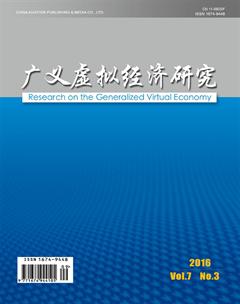
广义虚拟经济研究
2016年3期
关键词:互联网金融
李旸 甘浩辰
摘 要:本文采用成本收益的分析思想,将图书出版融资模式划分为众筹与传统借贷模式,比较两种模型的差异,并采用实际案例检验收益区别。结果发现,对于发起人而言,众筹的利润低于传统借贷产生的利润。只有当图书众筹市场规模与图书传统市场规模相等时,众筹的利润才略微高于传统借贷的利润。由此可见,现阶段的图书众筹模式在收益上并不具备显著优势,本文据此对众筹模式未来的发展提出了相关建议。
关键词:互联网金融;众筹;出版发行
中图分类号:F832.39 文献标识:A 文章编号:1674-9448 (2016) 03-0015-07
Abstract: The book publishing financing models can be dividedinto crowdfunding model and traditional lending model. We use cost-benefit analysis to compare the difference between these two models and examine the benefit by using real case study. The result shows that, from the promoters point ofview, the benefit of crowdfunding is lower than traditional lendings.Only when the book crowdfunding market size is equal to the total book market size, the benefit of crowdfunding is slightly higher than lendings. In conclusion, the book crowdfunding model, at this stage, does not have significant advantage in benefit. According to the result, this paper provides related proposals for the future development of crowdfunding.
Keywords: Internet finance, crowdfunding, publishing
一、 引 言
随着互联网技术与金融的进一步融合,众筹融资这一新兴事物已经在互联网上进行了广泛布局,并涉及了较多方面的产业项目融资。目前,图书出版已经成为了各大众筹网站的重要项目。图书出版项目在众筹项目中占据了较大比例,并且涉及筹资额覆盖范围较广。例如,“众筹网”已经有筹资额达到100万的图书出版项目出现,有超过30个图书出版项目筹资额过10万,但也存在大批千元级项目。同时,出版内容涉猎广泛,经济管理、人文艺术、科技互联网等领域都有所涉及。
目前,国内关于众筹的研究主要集中在概念和模式上。黄健青、辛乔利(2013)[1]认为众筹模式发展的技术前提条件是互联网应用的普及,同时中小企业融资与民间资本投资的双向需求推动了众筹模式的发展,众筹模式能够引导民间资本转化为投资,因此是解决我国中小企业融资问题的一种可借鉴的方式。……
登录APP查看全文
猜你喜欢
现代经济信息(2016年19期)2016-10-20 18:17:34
现代经济信息(2016年19期)2016-10-20 18:15:24
中国市场(2016年35期)2016-10-19 02:37:00
商场现代化(2016年22期)2016-10-18 20:54:08
商场现代化(2016年22期)2016-10-18 20:00:08
中国市场(2016年33期)2016-10-18 13:43:03
中国市场(2016年33期)2016-10-18 12:58:55
商(2016年27期)2016-10-17 05:57:47
大众理财顾问(2016年9期)2016-10-11 17:05:02
大众理财顾问(2016年9期)2016-10-11 17:04:21