基于移动互联网的手机支付系统探究
2017-03-13 01:41:39王永建杨建华郭广涛王治东翟晓微
移动通信
2017年1期
王永建+杨建华+郭广涛+王治东+翟晓微
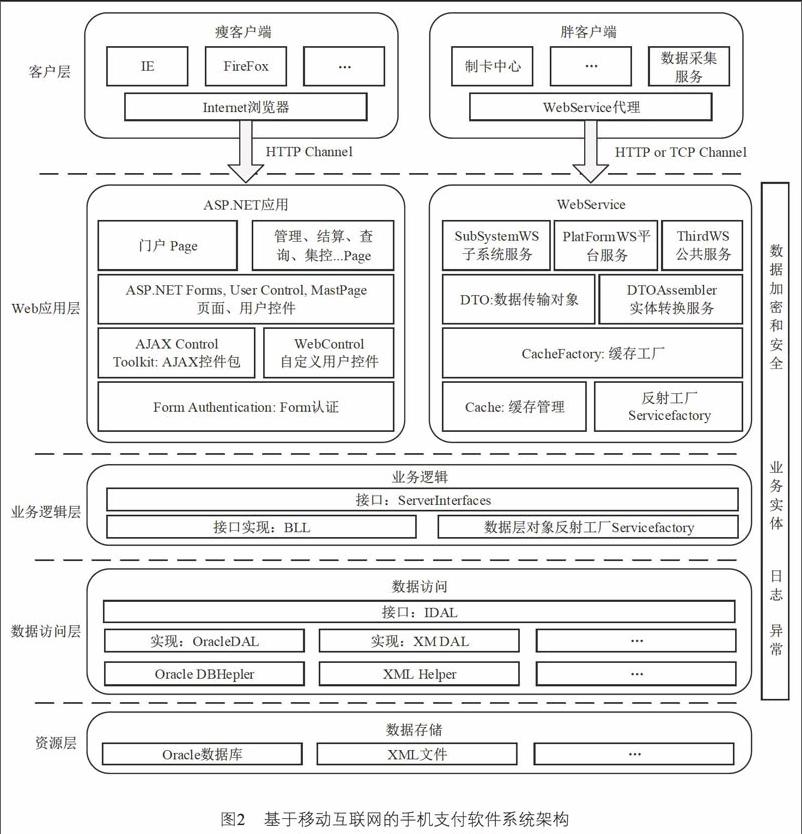
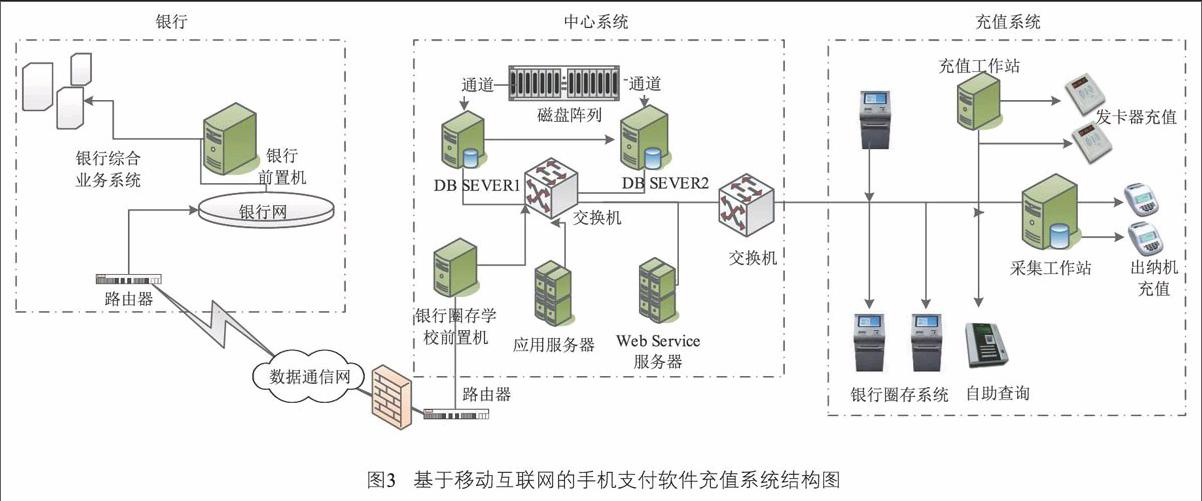
【摘 要】为了改进传统的网络支付系统,结合移动互联网特性,首先设计了手机支付软件系统架构,然后设计了系统的主要功能,定义了功能模块。针对传统Java的I/O不适合大量数据连接的局限性,引入了Java NI/O技术,明显地提高了系统的效率,并采用了最新一代移动中间件:iMAG技术,克服了传统移动中间件的不足,进一步优化了系统性能。
【关键词】移动互联网 SOA Java NI/O iMAG
Investigation on Mobile Phone Payment System
Based on the Mobile Internet
[Abstract]In order to improve traditional network payment systems, the mobile phone payment software system architecture was designed firstly based on characteristics of the mobile Internet. Then, main functions of the system were designed and functional modules were defined. According to the limitation of the traditional Java I/O unsuitable for massive data connections, Java NI/O technique was introduced. As the new generation of mobile middleware iMAG is used, the drawbacks of the traditional middleware was avoided to notably enhance the system efficiency and further opyimize the system performance.
[Key words]mobile Internet Service-Oriented Architecture Java NI/O iMAG
1 引言
随着3G、LTE、WLAN等高速无线通信和互联网技术的发展,移动互联网近些年炙手可热,移动互联网由互联网、无线网络、智能终端构成[1],而伴随着二维码、生物识别、NFC、Beacon、RFID、GIS、APP等技术的发展和智能终端的迅速普及[2],基于智能终端的应用越来越丰富。
2012年11月诞生了互联网发展的新理念:“互联网+”。“互联网+”是基于信息传播的传统互联网发展的新业态,催生了大量新的产业经济形态与商业服务模式[3]。其中OTT業务迅速崛起,风靡整个互联网,例如掌上购物、在线订票、网上约车、移动支付、手机一卡通、位置服务等[4]。
支付宝、微信等突破了传统即时通讯软件的局限,作为开放的平台,提供多种OTT服务,移动支付便是其中典型代表,与人们生活联系日趋紧密。在新形势下,传统的网络支付系统有些力不从心,亟待与时俱进,因此本文基于移动互联网,结合传统网络支付系统,对手机支付系统做了探究。
2 移动互联网参考模型
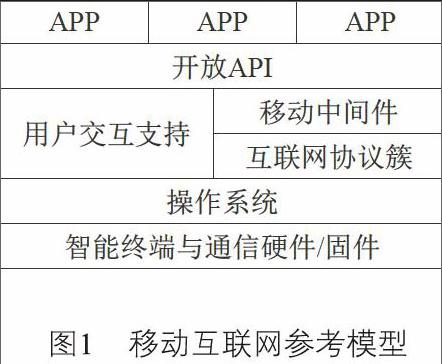
移动互联网(Mobile Internet)可分为终端层、网络层和应用层。WWRF(Wireless World Reserch Forum,无线世界研究论坛)定义的参考模型。……
登录APP查看全文