
人参皂苷Rb3对肝糖异生作用机理的研究
2017-08-22 01:08:26孟凡丽
湖北农业科学
2017年14期
孟凡丽
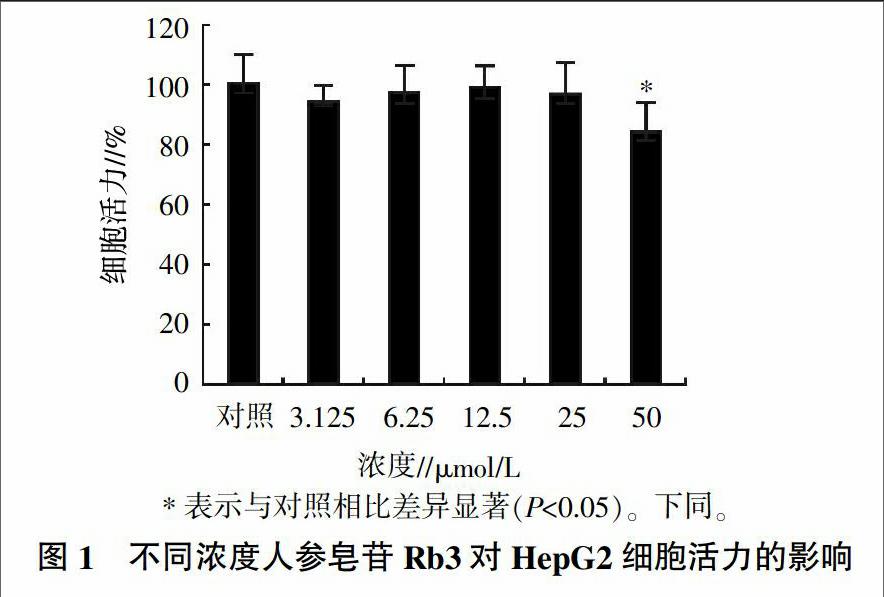
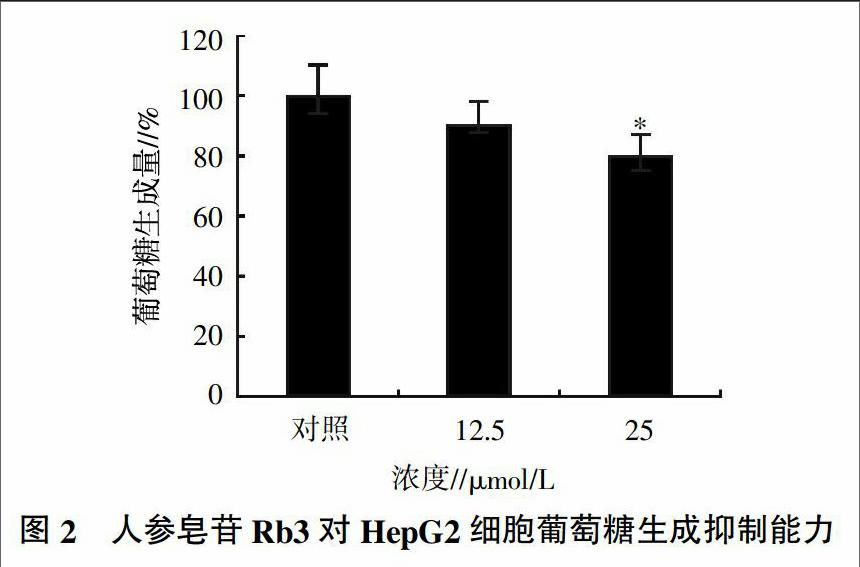
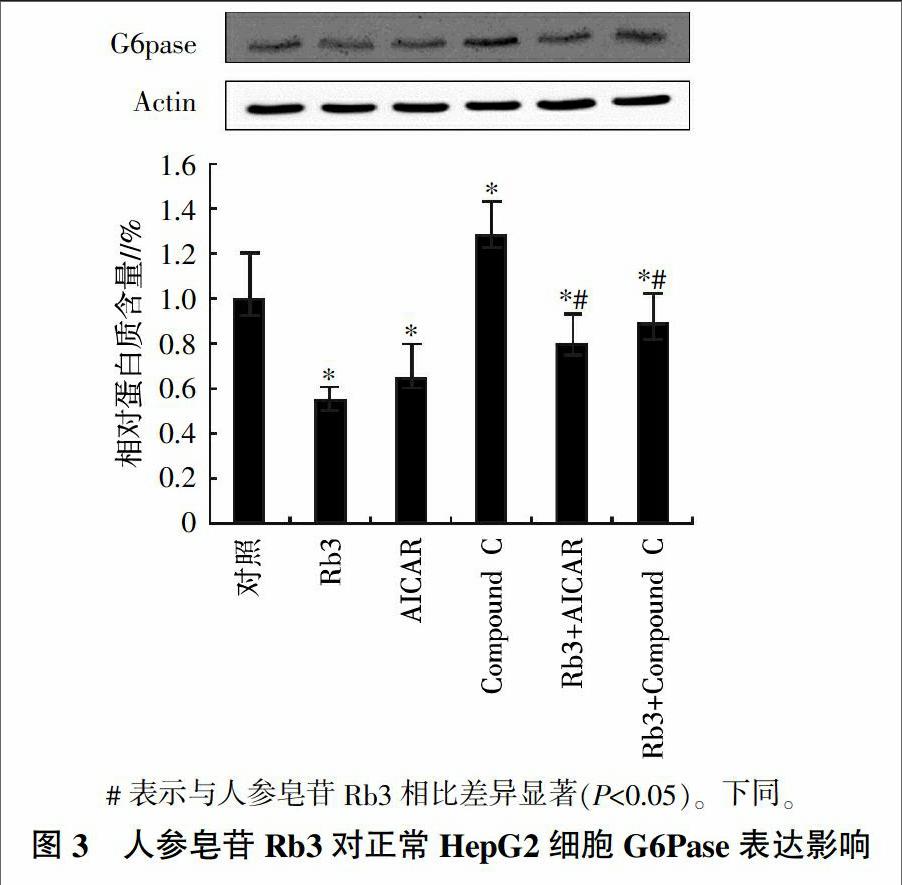
摘要:为了探讨人参皂苷Rb3在降低血糖方面的分子调控机制,利用HepG2细胞为研究材料,系统分析了人参皂苷Rb3对肝糖异生关键酶PEPCK、G6Pase和转录因子FOXO1、HNF4α的影响。结果表明,人参皂苷Rb3可以显著抑制HepG2细胞肝糖异生途径关键转录因子FOXO1、HNF4α蛋白表达,从而抑制PEPCK和G6Pase酶活性及糖异生作用,该作用能够被AMPK抑制剂Compound C部分阻断,推测人参皂苷Rb3抑制肝糖异生作用是通过激活AMPK信号通路实现。AMPK信号转导通路作为重要的糖脂代谢靶点,在糖尿病及相关代谢类疾病的调控中发挥着重要的作用,为探讨人参皂苷Rb3治疗糖尿病的作用机制提供了新的理论依据。
关键词:人参皂苷Rb3;HepG2细胞;肝糖异生
中图分类号:R285.5 文献标识码:A 文章编号:0439-8114(2017)14-2717-05
DOI:10.14088/j.cnki.issn0439-8114.2017.14.030
Abstract: In order to investigate the effects of ginsenoside Rb3 on reducing the molecular mechanism of blood glucose, using HepG2 cells as research material, the influence of ginsenoside Rb3 on gluconeogenesis key enzymes of PEPCK, G6Pase, and transcription factor of FOXO1 and HNF4α was analyzed. The results showed that ginsenoside Rb3 could significantly inhibit HepG2 cell expression of hepatic gluconeogenic pathway of nuclear transcription factor FOXO1, HNF4α, and inhibited activity and gluconeogenesis of PEPCK and G6Pase and the effect could be partially blocked Compound C which was AMPK inhibitor, speculated that ginsenoside Rb3 inhibited gluconeogenesis was through activation of AMPK signaling pathway to achieve. The AMPK signal transduction pathway as an important target for lipid metabolism, plays an important role in the regulation of diabetes and related metabolic diseases, which provides a new theoretical basis for the mechanism of ginsenoside Rb3 in the treatment of diabetes.
Key words: ginsenoside Rb3; HepG2 cells; hepatic gluconeogenesis
糖尿病是一種世界性的疾病,主要病因为患者体内胰岛素分泌的绝对或者相对不足而引发高血糖和尿糖[1],长期高血糖还会导致心脑血管、肾、眼及神经组织的病变,给患者造成很大危害。近年来,随着人们生活水平的不断提高,糖尿病患者的数量呈快速上升趋势。因此,开展糖尿病调控机制及防治方面的研究刻不容缓。糖尿病的治疗方法很多,有胰岛素治疗、胰岛移植、基因治疗、口服降糖药物、“运动治疗”和“饮食治疗”等辅助治疗方法[2]。
口服降糖药物包括3类[3]:即促进胰岛素分泌类药物、增加胰岛素敏感性药物和α-葡萄糖苷酶的抑制剂类药物。
随着中药医学的发展,源于中药的降血糖药物种类也不断涌现,该类药物除了具有降血糖作用外,兼具有降血脂及改善血液黏度等作用。……
登录APP查看全文
