
基于外部流场的汽车底部结构优化设计
2019-06-07 07:22:54李胜琴赵银宝冯新园
森林工程
2019年3期
关键词:优化设计
李胜琴 赵银宝 冯新园
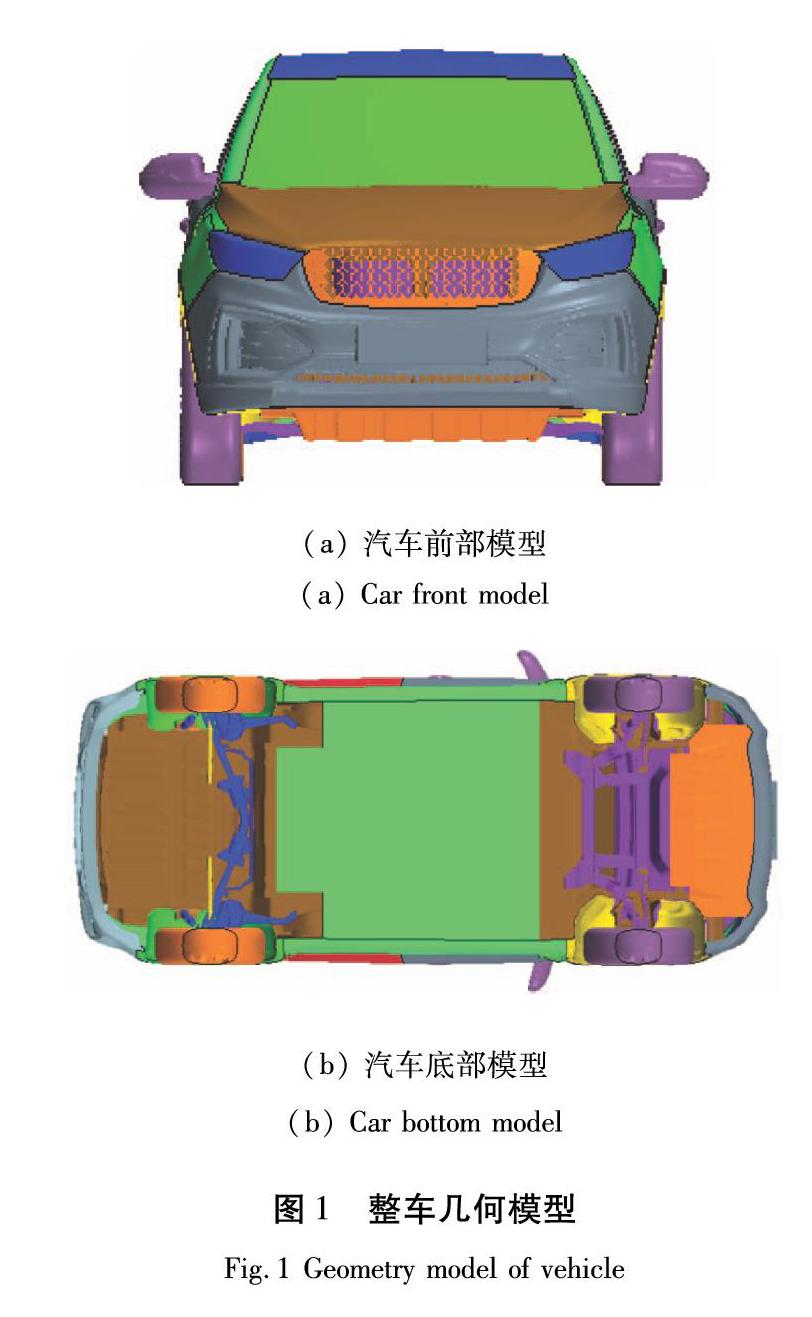
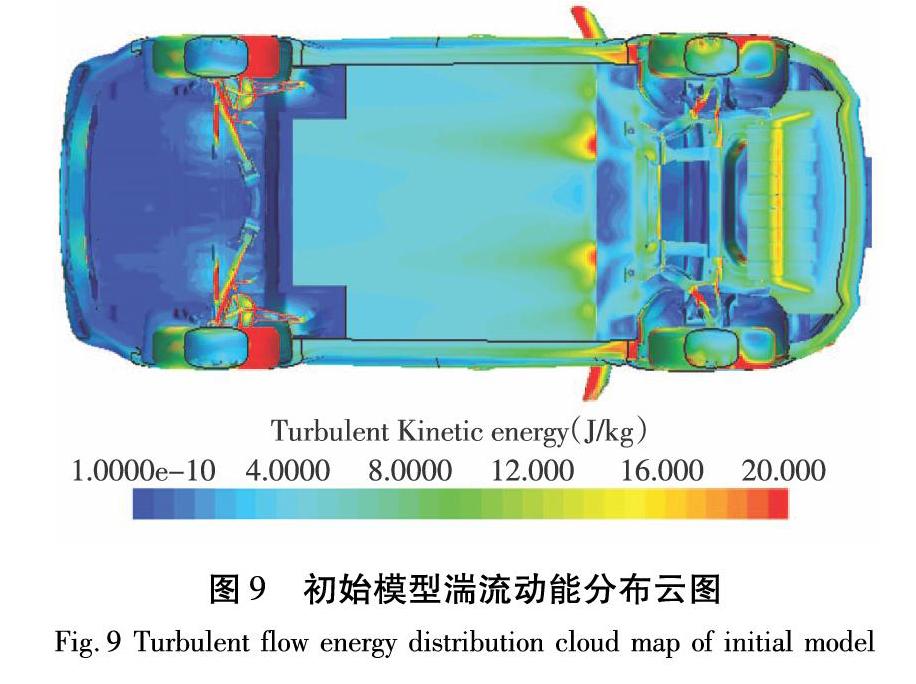
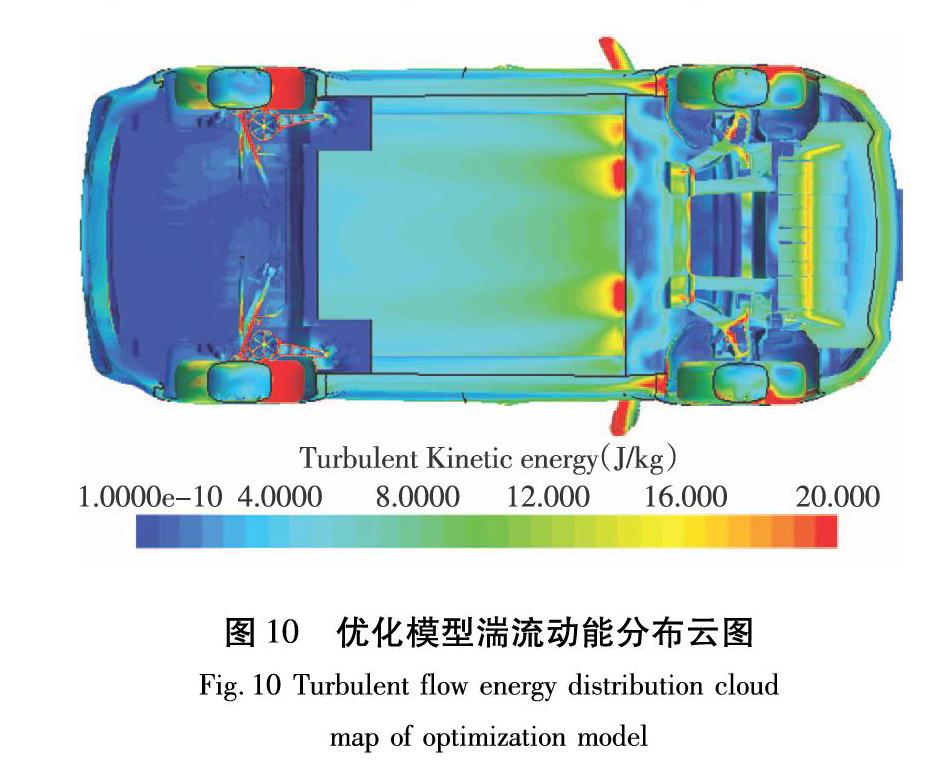
摘要:以某款纯电动汽车为例,利用有限元方法对汽车外流场进行计算、分析及优化设计。依据汽车外形结构特点及尺寸,建立汽车有限元模型及风洞模型,设定初始条件,进行汽车外部流场性能模拟分析,得出车辆底部速度分布云图、压力分布云图及速度矢量图,在此基础上对汽车电池包及悬架结构进行优化,优化后汽车底部及后部湍流动能的消耗减小,改善了汽車动力性能。同时还对汽车优化前后各主要部件对风阻系数的影响进行对比分析,结果表明优化后整车风阻系数降低2.995%,整车能量消耗减小,动力性得到提高。
关键词:电动车辆;底部结构;流场性能;风阻系数;优化设计
中图分类号:U463.1文献标识码:A文章编号:1006-8023(2019)03-0100-07
Optimization Design of Vehicle Bottom Structure Based
on the Vehicle External Flow Field Performance
LI Shengqin, ZHAO Yinbao, FENG Xinyuan
(School of Traffic, Northeast Forestry University, Harbin 150040)
Abstract:The calculation, analysis and optimization design of an electric vehicle external flow field were proposed in the paper, using finite element method. The finite element models of vehicle and wind tunnel were carried out, and the initial conditions such as vehicle velocity and entrance pressure were set according to the shape and size of the vehicle, to simulate and analyze the velocity and pressure distribution of vehicle external flow field. The velocity distribution cloud map, pressure distribution cloud map and velocity vector map of vehicle bottom were obtained and analyzed, and then the optimization of vehicle battery pack and suspension structure was carried out. After optimization, the consumption of turbulent kinetic energy decreased at the bottom and rear of the vehicle, and the dynamic performance of vehicle was improved. At the same time, the influence of the main components on the drag coefficient before and after optimization was compared and analyzed, the results showed that the drag coefficient of the whole vehicle was reduced by 2.995%, and the energy consumption of the whole vehicle was reduced and the dynamic performance of vehicle was improved too.
Keywords:Electric vehicle; bottom structure; flow field performance; drag coefficient; optimization design
0引言
据统计,当车速超过100 km/h时,约80%的发动机动力用来克服汽车气动阻力,气动阻力的大小与车速的平方成正比,而克服空气阻力消耗的功率则与车速三次方成正比,车速越高,风阻系数也越高[1-2]。试验表明,风阻系数每降低10%,汽车可以节省燃油7%[3]。因此降低汽车的风阻系数,可有效改善汽车的燃油经济性,提高动力性能。
20世纪20年代开始国外就已经将空气动力学理论运用到汽车流体力学性能分析上,20世纪50年代末以后,许多汽车企业纷纷投入大量人力、物力和财力建立汽车风洞实验室,用于汽车的空气动力学特性进行分析,来研究汽车各种工况下的汽车风阻和升力、气流的流动情况等[4]。20世纪60年代初,美国对汽车外形及其空气动力特性之间的复杂关系进行了系统研究,汽车设计的局部优化获得较大进步[5]。……
登录APP查看全文
猜你喜欢
航空兵器(2016年4期)2016-11-28 21:47:29
科技资讯(2016年19期)2016-11-15 08:34:13
电脑知识与技术(2016年24期)2016-11-14 00:09:15
文理导航(2016年30期)2016-11-12 14:56:57
中国科技博览(2016年22期)2016-11-01 14:23:46
中国科技博览(2016年22期)2016-11-01 13:48:02
中国科技博览(2016年19期)2016-10-19 12:24:15
中国科技博览(2016年18期)2016-10-19 08:57:06
科技视界(2016年22期)2016-10-18 15:25:08
科技视界(2016年21期)2016-10-17 17:27:09
