预见性护理在冠心病心绞痛患者护理过程中的应用效果
2020-10-21 15:37:01朱琳琳
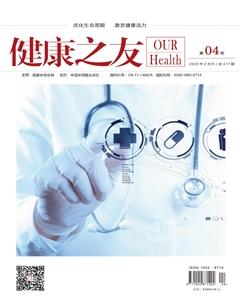
健康之友·下半月
2020年2期
朱琳琳

【摘 要】目的:对冠心病心绞痛患者护理过程中预见性护理的应用效果进行研究。方法:本次实验择取冠心病心绞痛患者80例,根据护理手段的不同将患者分为甲组及乙组,两组患者人数相同。甲组患者进行常规护理,乙组患者进行预见性护理,统计两组护理效果。结果:乙组患者护理满意情况及生活质量均优于甲组,两组之间差异较大(P<0.05)。结论:相比常规护理,预见性护理在冠心病心绞痛患者护理中效果更好。
【关键词】预见性护理;冠心病心绞痛;应用效果
【中图分类号】R473.5 【文献标识码】B 【文章编号】1002-8714(2020)02-00-01
【Abstract】Objective: To study the effect of predictive nursing in patients with coronary heart disease and angina pectoris. Methods: eighty patients with angina pectoris of coronary heart disease were selected in this experiment. According to the different nursing methods, the patients were divided into group A and group B. the number of patients in the two groups was the same. Group A patients were given routine nursing, group B patients were given predictive nursing, and the nursing effects of the two groups were counted.. Results: The nursing satisfaction and quality of life of the group B were better than that of the group A, and the difference between the two groups was greater (P <0.05). Conclusion: Compared with routine nursing, the predictive nursing is in the patients with coronary heart disease and angina pectoris. The effect of patient care is better.
【Key words】predictive nursing; angina pectoris of coronary heart disease; application effect
前言:冠心病心绞痛对患者的正常生活和工作有着极大的影响,严重时会导致患者的死亡。本次实验择取本院2018年4月-2019年4月期间冠心病心绞痛患者80例,对两组患者分别进行常规护理及预见性护理,并取得了一些成果,具体内容如下。
1 资料与方法
1.1一般资料
本次实验择取本院2018年4月-2019年4月期间冠心病心绞痛患者80例,根据护理手段的不同将患者分为甲组及乙组,两组患者人数相同。对两组患者性别比例、患病时间及年龄进行分析,可以得出两组之间不存在明显差异,不具有统计学意义(P>0.05)。
1.2方法
甲组患者进行常规护理,乙组患者进行预见性护理。在乙组患者护理过程中,护理人员应和患者保持密切的沟通,帮助患者正确认识自身病情,消除患者的负面情绪,提高患者的顺应性。而且护理人员应严格按照相关标准使用药物,并密切监测患者生理指标及临床表现,确保能够及时发现和处理出现的问题。此外,护理人员应对患者活动及饮食进行严格的控制,确保患者饮食结构的合理性,得到适当的锻炼。
登录APP查看全文
猜你喜欢
中国实用医药(2016年27期)2016-11-30 13:46:47
中外医学研究(2016年26期)2016-11-30 03:30:53
中外医学研究(2016年28期)2016-11-28 11:45:21
中外医学研究(2016年28期)2016-11-28 11:43:15
今日健康(2016年12期)2016-11-17 13:53:56
课程教育研究·学法教法研究(2016年21期)2016-10-20 19:31:51
电脑知识与技术(2016年21期)2016-10-18 22:21:36
中国实用医药(2016年24期)2016-10-17 06:06:11
中国实用医药(2016年24期)2016-10-17 05:31:05
中国实用医药(2016年24期)2016-10-17 05:22:02