
高管激励、风险承担与企业创新
2020-11-09 03:28:48喻雨婷左晶晶
科技与管理
2020年5期
喻雨婷 左晶晶

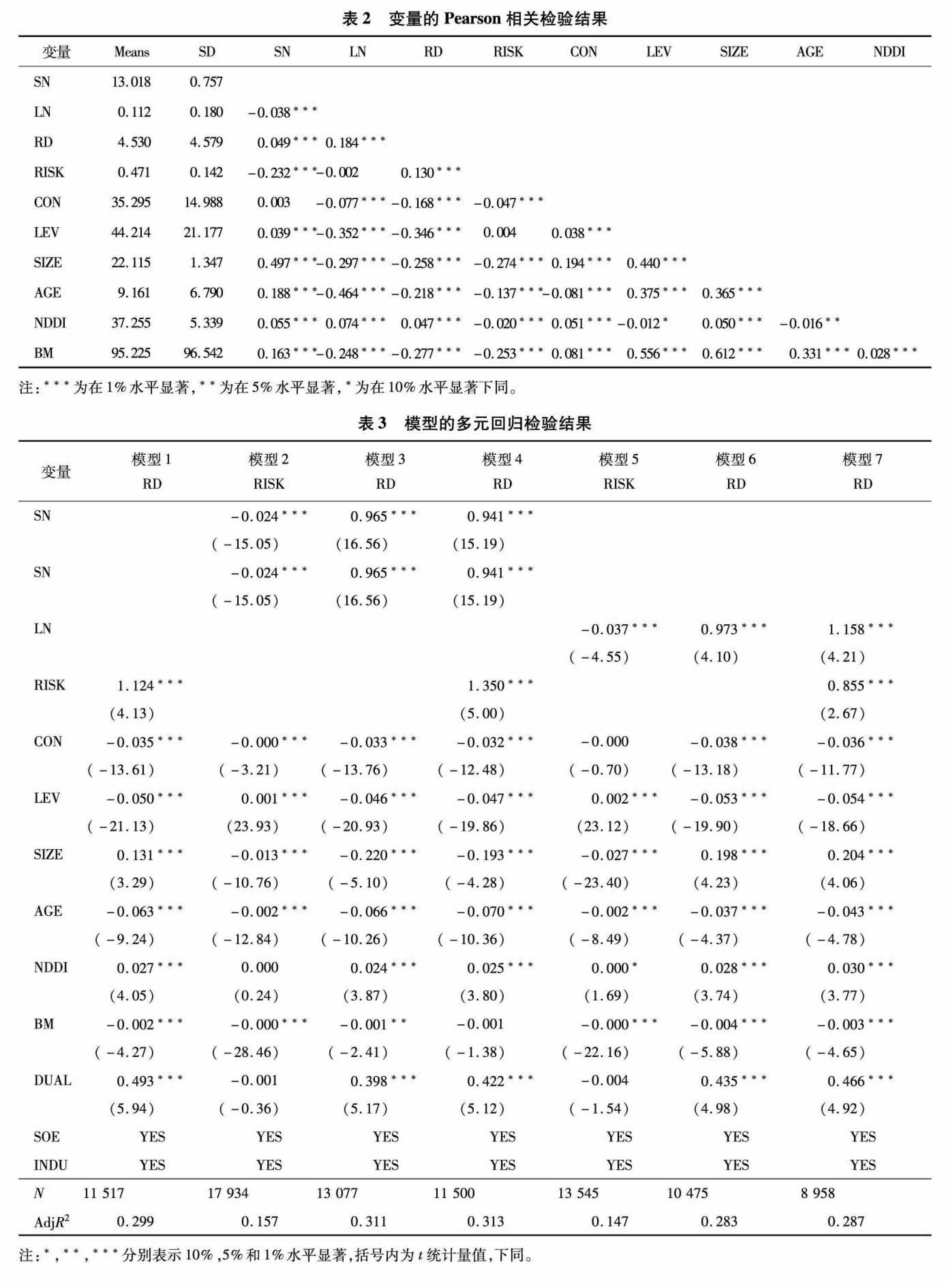
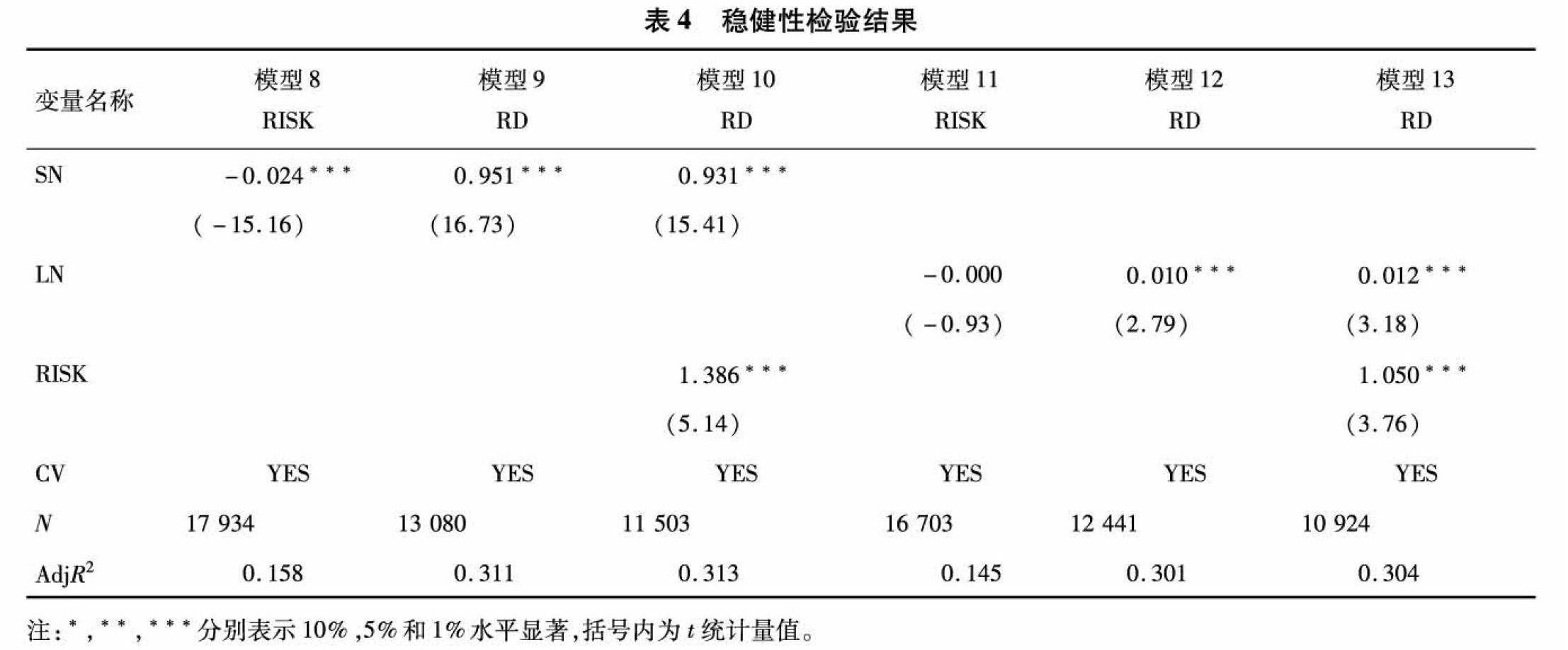
摘 要:本文以2006—2019年沪深A股上市公司为样本,采用多元线性回归模型研究了高管激励对企业创新的影响关系,并考察了风险承担在高管激励与创新过程中的中介作用。结果发现:高管激励对企业创新强度具有正向的激励作用, 无论是短期激励还是长期激励,均能显著促进企业的创新强度;为获得期望收益,受到激励的高管会更加注重公司的股价波动,使得高管决策时表现出风险规避倾向,减少风险承担;风险承担在高管激励与企业创新强度中发挥中介作用,但风险承担遮掩了部分高管激励对企业创新强度的正向影响,具体表现受到激励的高管会倾向于规避风险,进而削弱创新项目投资的意愿。本文的研究结论解释了高管激励对企业创新活动的影响路径,为企业合理制定激励政策、促进企业创新活动提供了参考。
关 键 词:高管激励;风险承担;中介效应;创新
DOI:10.16315/j.stm.2020.05.009
中图分类号: F272.3;F275.3
文献标志码: A
Abstract:We take Shanghai and Shenzhen Ashare listed companies from 2006 to 2019 as samples, and use the USES multiple linear regression model to study the influence of executive incentive on enterprise innovation, and investigates the mediating role of risk taking in the process of executive incentive and innovation. The results show that executive incentives have a positive effect on the intensity of enterprises innovation. Both shortterm incentives and longterm incentives can significantly promote the enterprises innovation. In order to obtain expected earnings, motivated executives will pay more attention to the volatility of the company's stock price, which makes executives show the tendency of risk aversion and reduce risk taking when making decisions. Risktaking plays an intermediary role in the incentive of executives and the intensity of innovation. And risktaking masks part of positive influence on the incentive of executives to the intensity of innovation. It is show that stimulated executives tend to avoid risks, thus undermining the willingness to invest in innovation projects. This research explains the path of executive incentives on enterprise innovation activities, and provides policy suggestions for enterprises to reasonably formulate incentive policies which effectively promote enterprises innovation activities.
Keywords:executive incentive; risktaking; mediating effect; innovation
收稿日期: 2020-08-19
基金項目: 国家自然科学基金项目(71302166)
作者简介: 喻雨婷(1994—),女,硕士研究生;
左晶晶(1981—),女,副教授,博士.
创新是具有高风险与高收益的投资项目,企业投资创新项目往往需要大量的资金和人力投入,然而却并非所有的创新项目都能获得正向回报。创新的失败可能会导致管理层的声誉、财富遭受巨大的损失,严重的甚至可能引发解聘风险。根据委托代理理论,管理层出于风险规避的动机可能会放弃风险较高但净现值为正的投资项目,从而选择较为保守的投资策略,有可能损害企业的长期收益[1]。……
登录APP查看全文
猜你喜欢
当代水产(2022年8期)2022-09-20 06:44:30
当代水产(2022年6期)2022-06-29 01:11:44
当代水产(2022年5期)2022-06-05 07:55:06
体育科技文献通报(2022年3期)2022-05-23 13:46:54
当代水产(2022年3期)2022-04-26 14:27:04
当代水产(2022年2期)2022-04-26 14:25:10
天津外国语大学学报(2021年3期)2021-08-13 08:32:18
辽金历史与考古(2021年0期)2021-07-29 01:06:54
云南画报(2020年9期)2020-10-27 02:03:26
科技传播(2019年22期)2020-01-14 03:06:54
