一种水面无人艇多任务点路径规划方法
2021-01-06 09:25:38刘渐道张英俊朱飞祥
上海海事大学学报
2021年4期
刘渐道 张英俊 朱飞祥
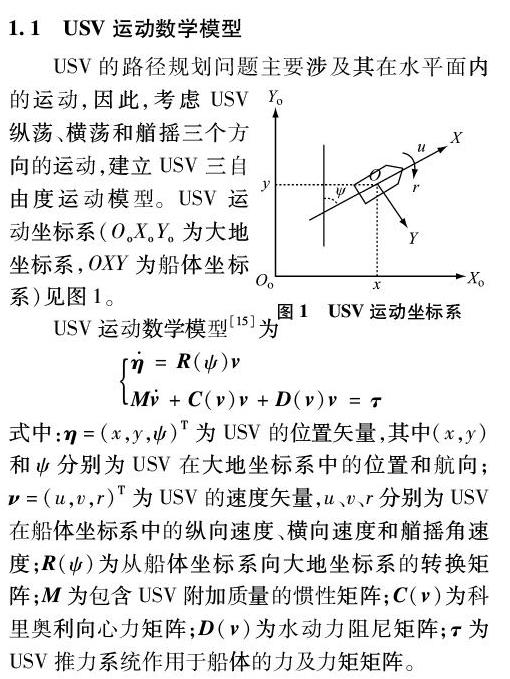
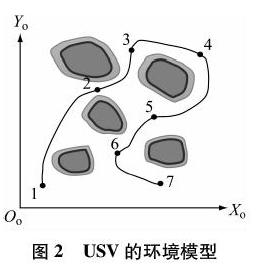
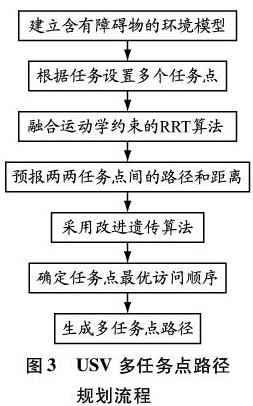
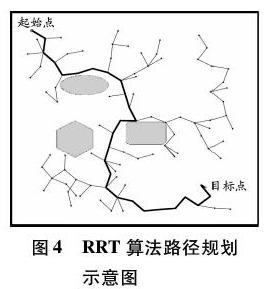
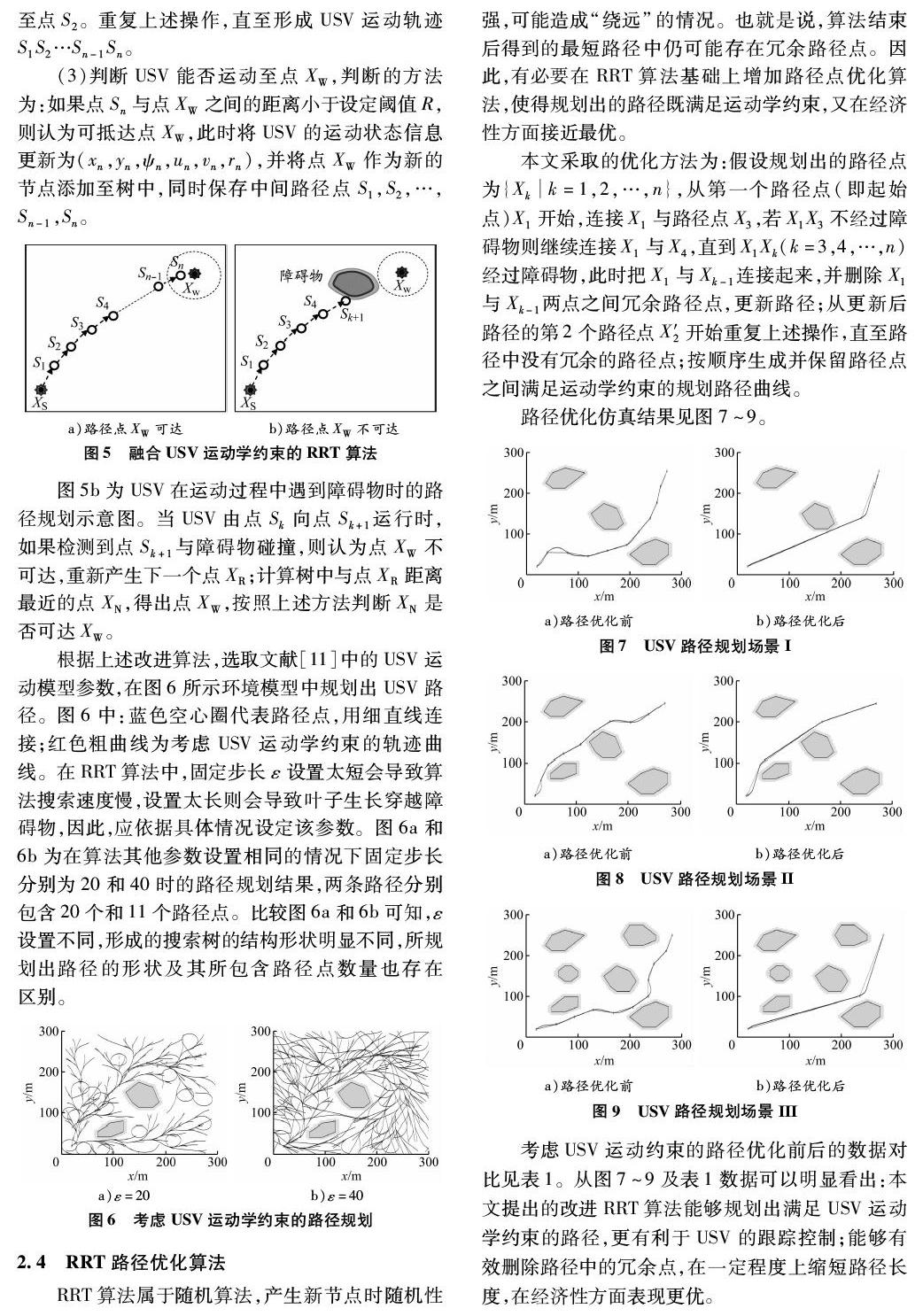
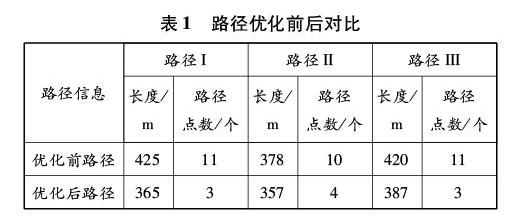
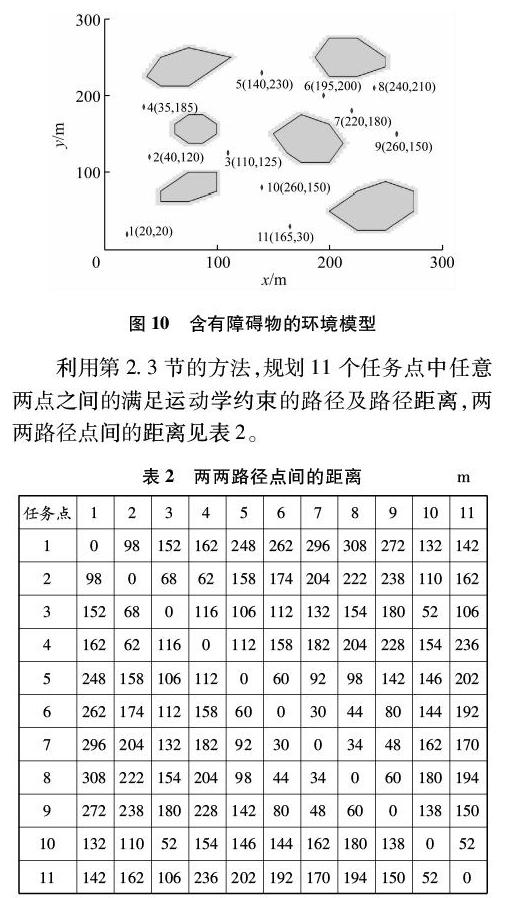
摘要:为解决多障碍物环境下水面无人艇(unmanned surface vehicle, USV)多任务点路径规划问题,提出一种基于改进的快速探索随机树(rapidly-exploring random tree, RRT)的路径规划算法。在分析USV运动数学模型和经典RRT算法的基础上,将USV的运动数学模型融合到RRT算法中,预报两个任务点之间的路径曲线和距离;针对RRT算法随机性的特点,设计RRT路径优化算法,删除冗余路径点,得到优化路径;最后利用改进遗传算法,确定多任务点的访问顺序,生成多任务点路径,节省USV巡航路径距离。仿真结果证明,在多任务点及多障碍物存在的条件下,该方法能够确定一条合理的路径,具有一定的实际意义。
关键词: 水面无人艇(USV); 多任务点路径规划; 快速探索随机树(RRT); 运动学约束
中图分类号: U675.79 文献标志码: A
Abstract: In order to solve the problem of multi-task point path planning for unmanned surface vehicles (USVs) in the multi-obstacle environment, a path planning algorithm based on the improved rapidly-exploring random tree (RRT) is proposed. Based on the analysis of USV’s motion mathematical model and the classical RRT algorithm, the USV’s motion mathematical model is integrated into the RRT algorithm, and the path curve and distance between two task points are forecasted. According to the randomness of RRT algorithm, an RRT path optimization algorithm is designed to delete the redundant path points so as to get an optimized path. Finally, the improved genetic algorithm is used to determine the access sequence of multi-task points and generate the multi-task point path, which can save the USV cruise path distance. The simulation result shows that the proposed method can determine a reasonable path under the condition of multi-task points and multiple obstacles, and has a certain practical significance.
Key words: unmanned surface vehicle (USV); multi-task point path planning; rapidly-exploring random tree (RRT); kinematical constraint
0 引 言
水面無人艇(unmanned surface vehicle, USV)是一种具有自主感知环境、规划路径、智能航行及自主避障能力的小型船艇,在水文探测、海域巡逻、军事作战等方面有广泛的应用。USV路径规划就是根据任务要求在一定的条件下按照安全性、经济性原则自动规划从起点到终点的无障碍路径[1]。路径规划是实现自主航行必须解决的问题,是USV领域的研究热点。
现有的路径规划算法主要包括Dijkstra算法、A *算法等启发式搜索算法和遗传算法、粒子群算法、萤火虫算法、神经网络算法等智能仿生优化算法[2]。随博文等[3]提出一种改进的平滑A *算法,改进折线转弯为圆弧,使路径更加平滑安全;范云生等[4]基于电子海图采用栅格法建立环境模型,利用改进的遗传算法进行全局路径快速搜索,规划出的路径具有一定的合理性和有效性。……
登录APP查看全文