慢性脑缺血患者CT脑灌注参数与颈动脉狭窄程度的相关性
2021-03-24 20:57:26梁毅石慧铃李良郭家俊任海燕
中国医学创新
2021年25期
梁毅 石慧铃 李良 郭家俊 任海燕


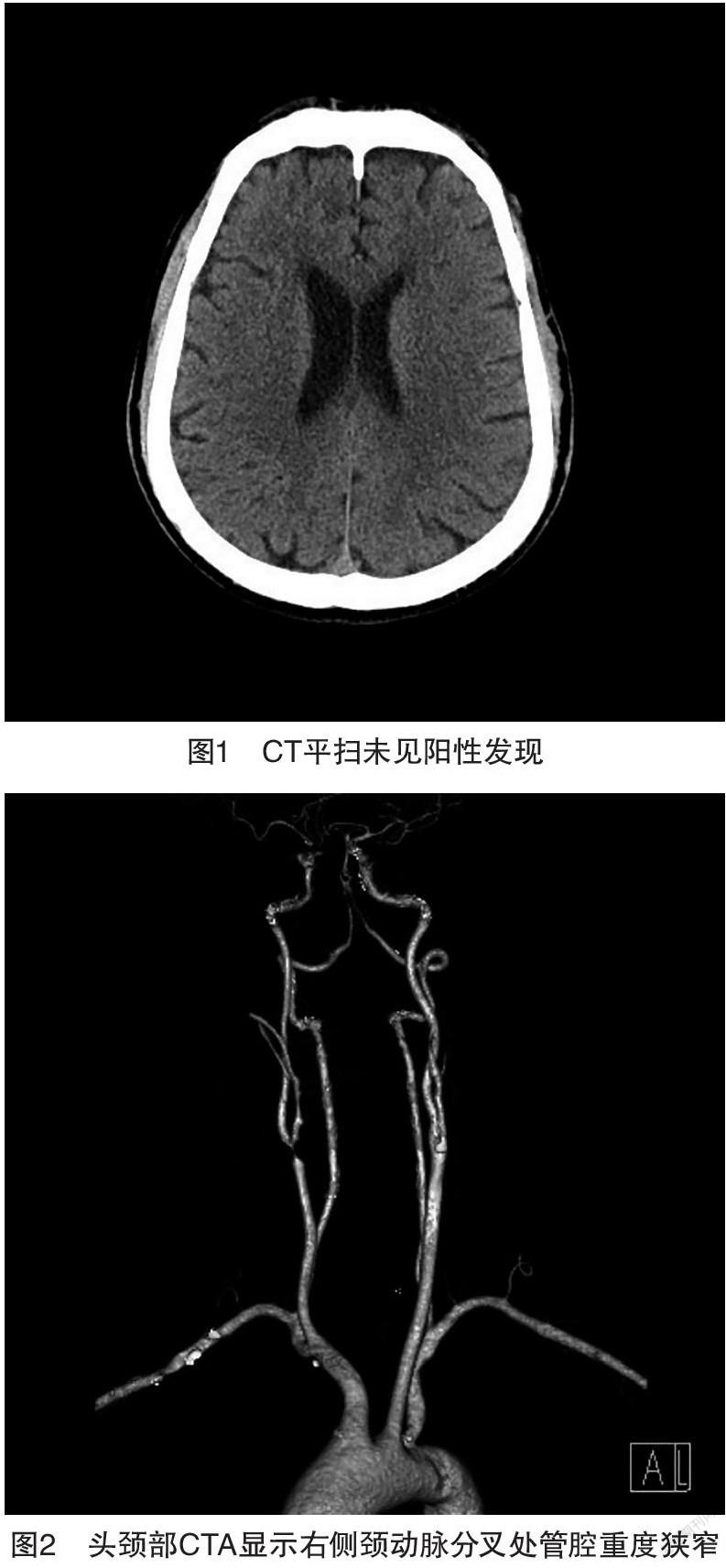
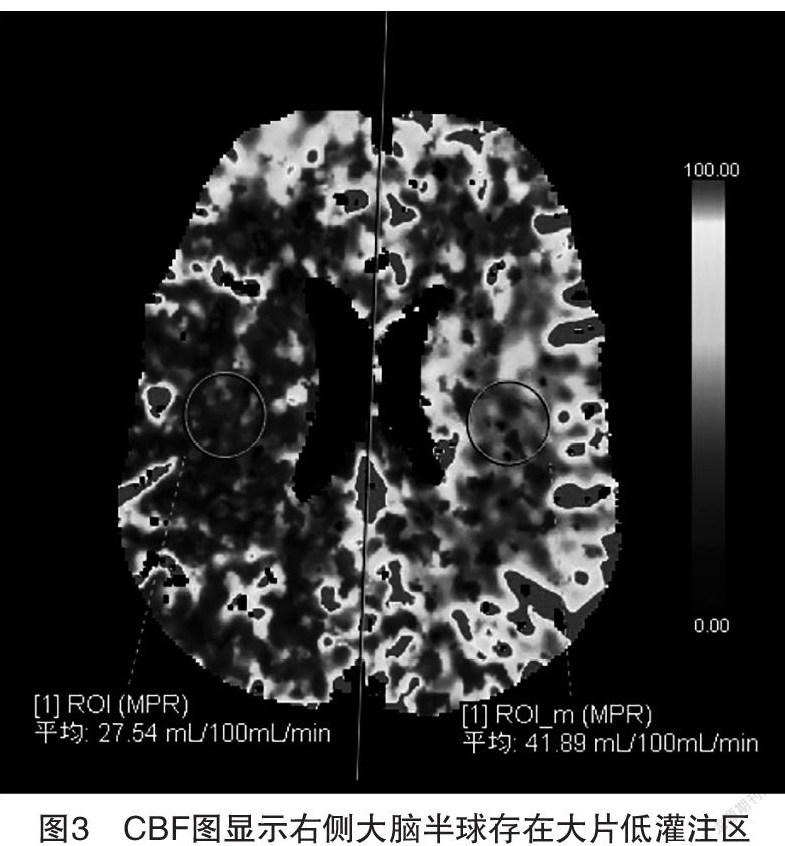

【摘要】 目的:探討慢性脑缺血(CCI)患者CT脑灌注参数与颈动脉狭窄程度的相关性。方法:收集2019年1月-2020年6月本院临床拟诊为CCI的患者52例,均接受全脑CT灌注成像(CTP)和头颈部CTA检查,测量患侧和健侧额叶、颞叶、基底节区的脑血流量(CBF)、脑血容量(CBV)、平均通过时间(MTT)、达峰时间(TTP)。计算各灌注参数的相对比值(rCBF、rCBV、rMMT、rTTP),分析颈动脉狭窄程度。Spearman分析灌注不足组患者灌注参数相对比值与颈动脉狭窄程度的相关性。结果:纳入本研究的52例患者中,灌注不足组32例,灌注正常组20例。灌注不足组与灌注正常组颈动脉狭窄程度比较,差异有统计学意义(P<0.05)。灌注不足组各测量区域rCBF均较灌注正常组降低,rMTT、rTTP均较灌注正常组延迟,差异均有统计学意义(P<0.05);两组各测量区域rCBV比较,差异无统计学意义(P>0.05)。脑灌注不足组中不同程度颈动脉狭窄患者最低灌注区各灌注参数比较,差异均有统计学意义(P<0.05)。灌注不足组患者rCBF、rCBV与颈动脉狭窄程度均呈负相关(P<0.05),rMTT、rTTP与颈动脉狭窄程度均呈正相关(P<0.05)。结论:CCI患者CT脑灌注参数与颈动脉狭窄程度存在一定相关性,可为临床早期诊断和预防CCI发生发展提供影像学依据。
【关键词】 慢性脑缺血 颈动脉狭窄 灌注成像 体层摄影术 X线计算机
[Abstract] Objective: To investigate the correlation between CT cerebral perfusion parameters and degree of carotid artery stenosis in patients with chronic cerebral ischemia (CCI). Method: A total of 52 patients clinically suspected to be CCI in our hospital from January 2019 to June 2020 were collected. They all underwent whole brain CT perfusion imaging (CTP) and head and neck CTA. The cerebral blood flow (CBF), cerebral blood volume (CBV), mean transit time (MTT) and time to peak (TTP) of the affected and healthy frontal lobe, temporal lobe and basal ganglia were measured. The relative ratio of each perfusion parameter (rCBF, rCBV, rMMT, rTTP) were calculated, the degree of carotid artery stenosis was analyzed. Spearman analyzed the correlation between the relative ratio of perfusion parameters and the degree of carotid artery stenosis in patients in the hypoperfusion group. Result: Among the 52 patients included in this study, 32 were in the hypoperfusion group and 20 were in the normal perfusion group. Comparison of carotid stenosis between hypoperfusion group and normal perfusion group, the difference was statistically significant (P<0.05). The rCBF of each measurement area in the hypoperfusion group were lower than those in the normal perfusion group, the rMMT and rTTP were delayed than those in the normal perfusion group, the differences were statistically significant (P<0.05). Comparison of rCBV in each measurement area between the two groups, there were no significant differences (P>0.05). Comparison of perfusion parameters in the lowest perfusion area of patients with different degrees of carotid artery stenosis in the cerebral hypoperfusion group, the differences were statistically significant (P<0.05). In the hypoperfusion group, rCBF and rCBV were negatively correlated with the degree of carotid stenosis (P<0.05), rMMT and rTTP were positively correlated with the degree of carotid stenosis (P<0.05). Conclusion: There is a certain correlation between CT cerebral perfusion parameters and the degree of carotid stenosis in patients with CCI, which can provide imaging basis for early clinical diagnosis and prevention of CCI.
[Key words] Chronic cerebral ischemia Carotid artery stenosis Perfusion imaging Tomography X-ray computed
First-author’s address: Jiangbin Hospital of Guangxi Zhuang Autonomous Region, Nanning 530021, China
doi:10.3969/j.issn.1674-4985.2021.25.037
慢性脑缺血(chronic cerebral ischemia,CCI)是由于各种原因所致脑血流灌注长期持续性低于生理阈值,而引起的一系列以轻微脑功能异常为主的慢性脑病。常规CT和MR检查往往无阳性发现,但患者临床症状明显。研究表明,CCI极易发展为短暂性脑缺血发作和脑梗死,同时还与认知障碍性疾病密切相关[1-2]。……
登录APP查看全文