清末民初京畿地区京绣官方培训模式研究
2021-03-28 02:46:54滕雪梅白玉力
丝绸
2021年3期
滕雪梅 白玉力
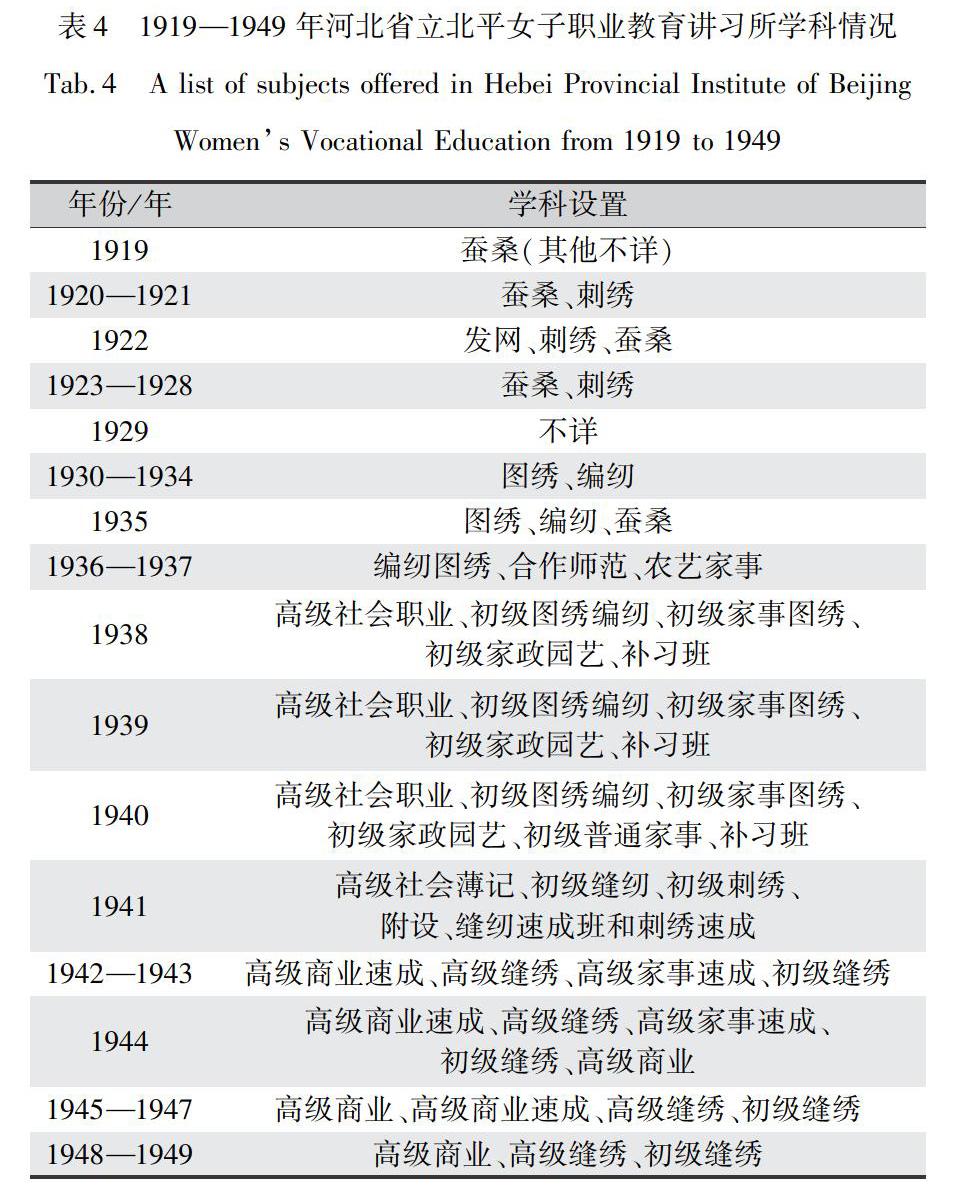
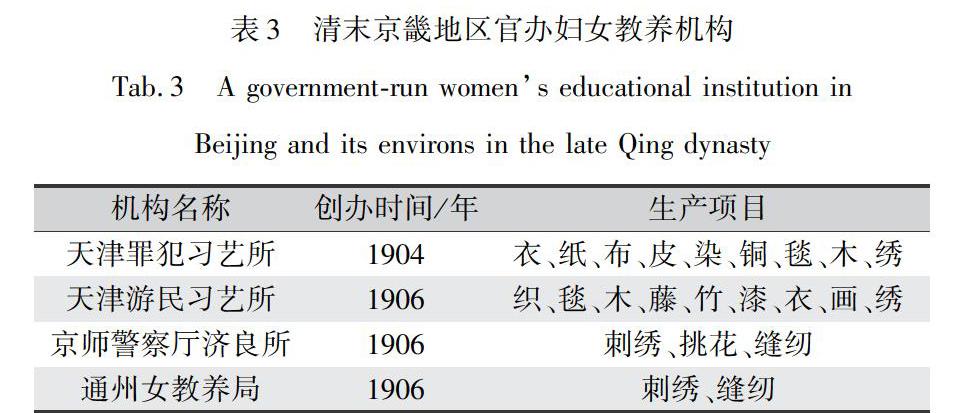
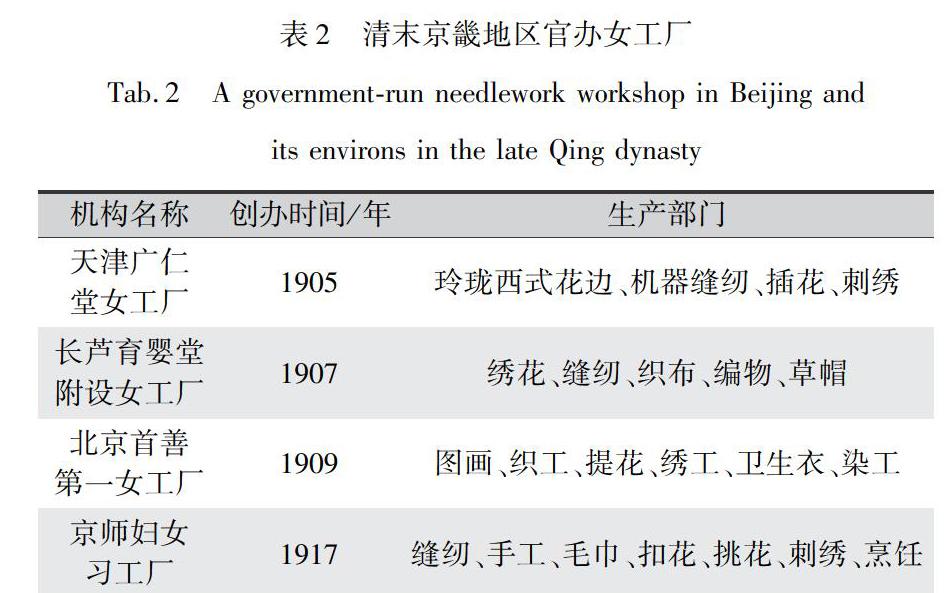
摘要: 清末民初,在实业救国的社会背景下,京畿地区政府秉承“教育救济”思想,在官办机构中开展了大规模京绣培训,然而学界对此鲜有系统梳理。基于此,文章采用文献资料研究方法,针对官办机构以“寓教于养、教养兼施”观念实施京绣培训的社会价值,从教育教学组织角度,对工艺局、女工厂、妇女教养机构和实业学堂的培训体系进行梳理,分析其“双轨制”“双师制”构建的“精专与学知相统一”的课程体系和教学方式,以及有效配备的就业机制、激励措施和福利机制,得到“一专多能”京绣人才培养模式。研究表明:政府政策的、制度的因素在京绣振兴发展中起到核心作用,京绣官方培训开启了近代女性职业培训的探索,实现了救助底层女性的社会价值,进而推动京绣人才培养的专业化、规模化、集群化。尽管时隔百年,该培养模式对当今京绣传承仍具有借鉴意义。
关键词: 清末民初;官办机构;京绣;培训模式;女性
Abstract: In the late Qing dynasty and the early Republic of China, under the social background of saving the country by industry, the government of Beijing and its environs upheld the notion of "relieving by education" and gave large-scale training on Beijing embroidery in government-run institutions. However, the academic circle seldom systematically combed this. Based on this, in view of the social value for government-run institutions to undertake Beijing embroidery training with the concept of "teaching through nurturing and implementing both teaching and nurturing", this paper adopted literature research to sort out the training system of technology bureau, needlework workshop, womens education institution and industrial school from the perspective of the organization of education and teaching, analyzed the curriculum system and teaching mode that "unified specialization and knowledge" constructed by their "double track system" and "double capacity system", as well as the employment mechanism, incentives and welfare mechanism that were effectively equipped, and obtained a mode to train "specialized and versatile" talents in Beijing embroidery. The research showed that the policy and institutional factors of government played a central role in the revitalization and development of Beijing embroidery. The official training of Beijing embroidery initiated the exploration of modern womens vocational training, realized the social value of helping women at the bottom of society, and promoted the training of Beijing embroidery talents to become specialized, largescale and clustered. Although a hundred years have passed, this training mode is still of reference significance for the inheritance of Beijing embroidery today.
Key words: the late Qing dynasty and the early Republic of China; government-run institutions; Beijing embroidery; training mode; women
近幾年,京绣作为国家级、北京市、河北省非物质文化遗产保护项目,得到了京津冀各地政府、非遗保护中心和文化艺术基金的大力支持。就京绣培训来说,当前基本上是依托于政府来开展,内容以文化传播和推广为主。而学界对京绣培训的研究多是以私营和民间传承人为核心,探讨传统师徒传承模式,对于如何有效开展京绣职业化培训,则少有涉及。本文关于清末民初京绣官方培训模式的研究正是立足于这一背景下展开的。……
登录APP查看全文