关于货物与服务采购综合评分法的合理运用
2021-07-08 10:58:42刘荣昌
时代汽车
2021年9期
刘荣昌
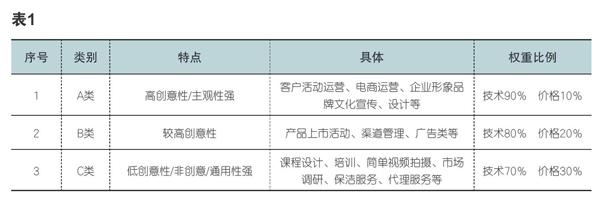
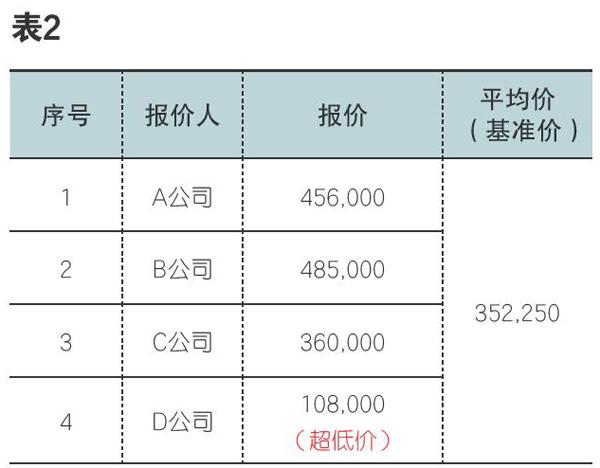

摘 要:综合评分法在货物与服务采购工作中均被得到广泛运用,国家在法规中均提出明确的规范。但在实际运用中,大多数采购单位对法规解读不够深入,导致最终结果往往不尽如人意。本文将结合法规要求及案例,分析综合评分法在运用中需要注意的地方。
关键词:货物与服务采购 综合评分法 价格评分 基准价
Reasonable Application of Comprehensive Evaluation Method for Procurement of Goods and Services
Liu Rongchang
Abstract:The comprehensive scoring method is widely used in the procurement of goods and services, and the country has put forward clear norms in laws and regulations. However, in actual applications, most purchasing units did not understand the regulations in depth, resulting in unsatisfactory results. This article will combine legal requirements and cases to analyze the points that need to be paid attention to in the application of the comprehensive scoring method.
Key words:goods and services procurement, comprehensive scoring method, price scoring, benchmark price
1 货物与服务采购法规背景
采购工作是保证企业正常生产及经营的经济活动。任何企业单位都离不开采购环节。根据《政府采购货物和服务招标投标管理办法》(财政部令第87号)(以下简称87号令)第五十三条“评标方法分为最低评标价法和综合评分法。”各级政府、事业单位的货物和服务采购工作均按此执行,其他公司企业均参考87号令制定规章制度。
2 评标方法的特点
2.1 最低评标价法的局限性
87号令第五十四条“最低评标价法,是指投标文件满足招标文件全部实质性要求,且投标报价最低的投标人为中标候选人的评标方法。”可理解为低价中标,但不是所有货物与服务采购适用最低评标价法。最低评标价法的滥用容易引导报低价,因最低报价中标率高,报价人往往以中标为目标忽略供货质量和履约能力而压低报价甚至低于成本价,导致恶意低价竞争。因此,最低评标价法不能有效保证所有采购项目“价低质优”,采购方应合理地使用最低评标价法。
87号令第五十四条“技术、服务等标准统一的货物服务项目,应当采用最低评标价法。……
登录APP查看全文