我国被动式太阳能采暖技术的应用现状及发展前景
2021-07-17 21:12:29党怡天
河南科技
2021年7期
关键词:建筑设计
党怡天
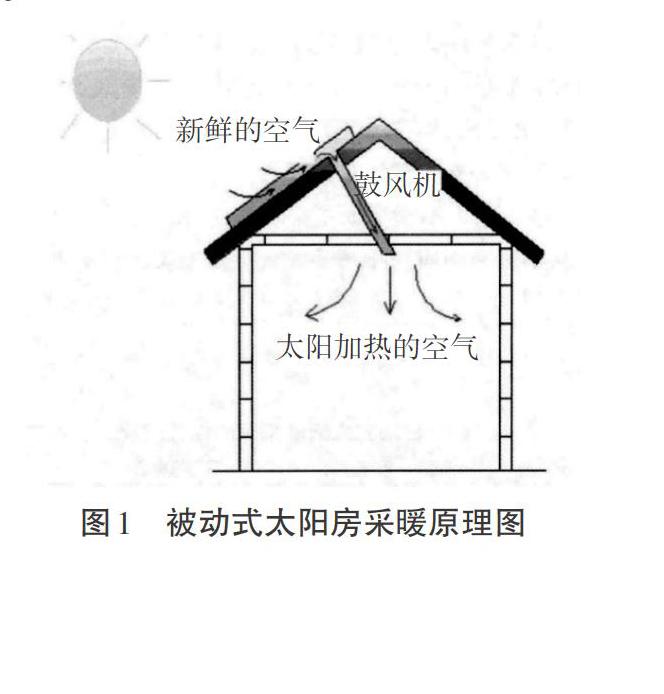
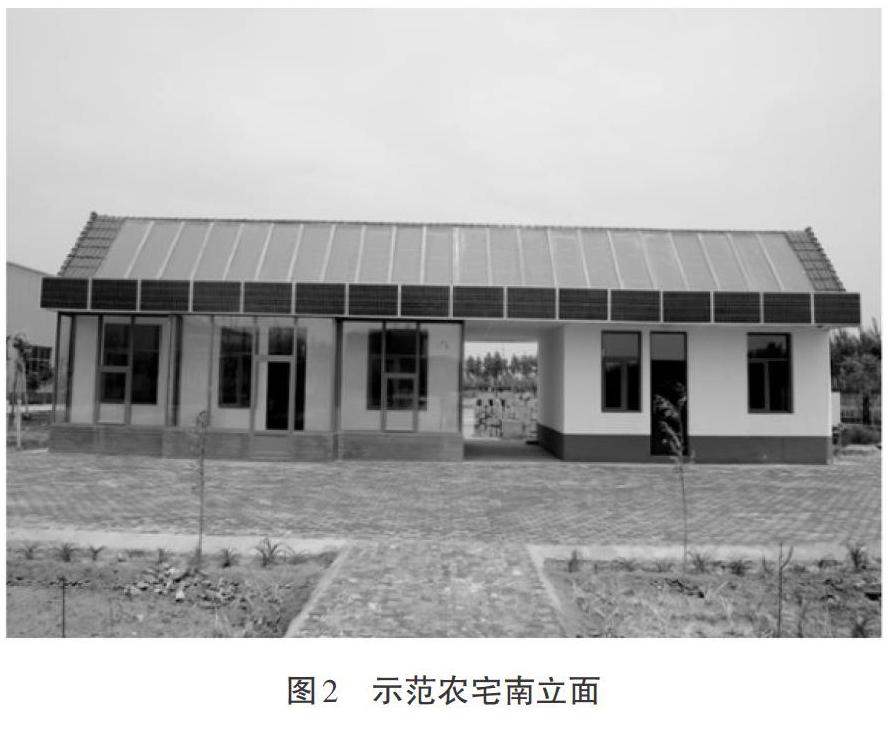
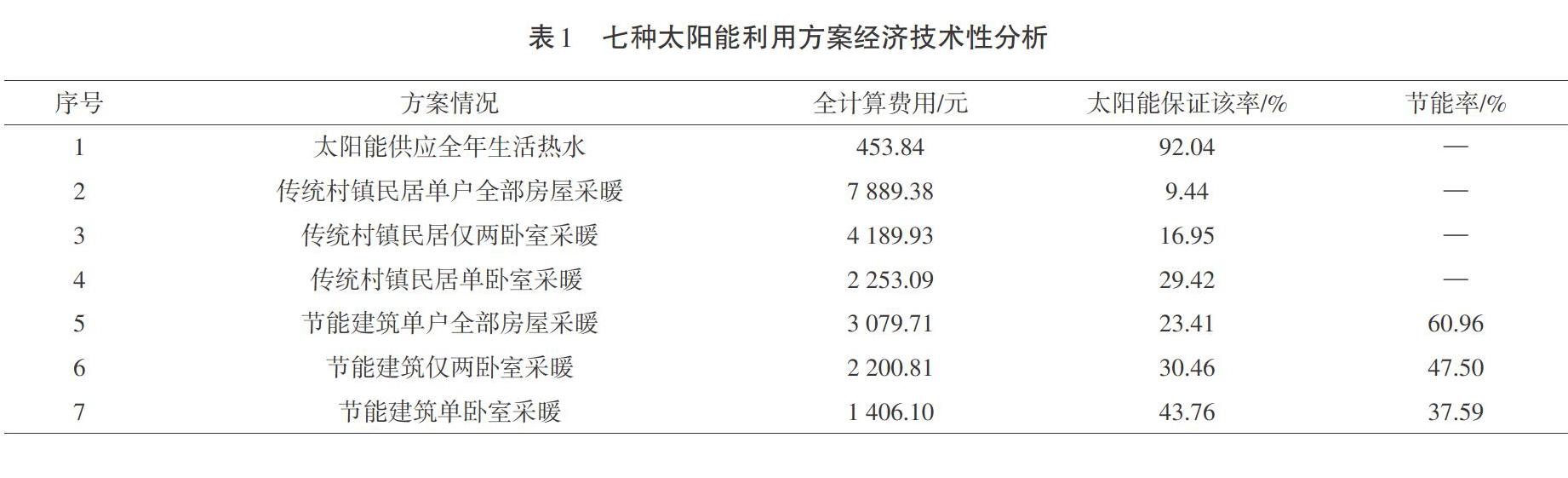
摘 要:本文首先分析了太阳能资源的适用背景及分布现状,确定太阳能采暖的利用价值;然后介绍被动式太阳能技术的原理、适用范围、经济适用性,并提出该技术面临的问题,分析宁夏回族自治区农宅和北京山地等案例;最后展望了该技术在国内的发展前景。
关键词:被动式;太阳房采暖;建筑设计
中图分类号:TU832.17文献标识码:A文章编号:1003-5168(2021)07-0119-03
Application Status and Development Prospect of Passive Solar Heating Technology in China
DANG Yitian
(Department of Architecture, Shanghai Academy of Fine Arts, Shanghai University,Shanghai 200042)
Abstract: This paper first sorted out the background and distribution of solar energy resources, and determined the utilization value of solar heating. Then, the principle, scope of application and economic applicability of passive solar energy technology were introduced, and the problems faced by the technology were put forward, and the cases of rural houses in Ningxia and mountainous areas in Beijing were analyzed; Finally, the development prospect of this technology in China was prospected.
Keywords: passive;solar room heating;architectural design
近年来,我国工业化和城市化进程不断加快,建筑业发展迅速,这增加了我国能源的消耗。相关数据显示,建筑能耗结构中有2/3的能源用于建筑采暖、制冷和热水供应。因此,实现建筑节能的一个有效途径是充分利用太阳能进行采暖、降温和热水供应。
我国有丰富的太阳能资源,2/3以上地区的年太阳辐射量超过每平方米5 000 MJ[1]。受地理和气候因素的影响,太阳能分布呈现出明显的地域性。充分利用丰富的太阳能资源,解决其强度受各种因素(季节、地点、气候等)的影响不能维持常量的问题,是利用太阳能实现建筑节能的关键所在。
将太阳能技术运用于当前建筑设计中,既能满足建筑的能源需求,又能充分利用太阳能资源,加快太陽能产业的发展。此外,太阳能的有效利用还可以大大减少其他不可再生能源的浪费,减少环境污染问题。因此,对被动式太阳能建筑的设计进行研究具有十分重要的价值。
1 被动式太阳能采暖的原理
被动式太阳能建筑是利用太阳能提供的室内热能,不需要任何机械设备提供能源,仅仅依靠传导、对流和辐射的自然热传递。……
登录APP查看全文
猜你喜欢
建材发展导向(2022年20期)2022-11-03 01:08:50
建材发展导向(2022年12期)2022-08-19 02:34:06
建材发展导向(2022年12期)2022-08-19 02:33:48
房地产导刊(2022年5期)2022-06-01 06:20:04
建材发展导向(2022年4期)2022-03-16 06:11:46
建材发展导向(2022年2期)2022-03-08 01:43:48
建材发展导向(2021年13期)2021-07-28 07:15:48
建材发展导向(2021年23期)2021-03-08 01:05:38
建材发展导向(2019年10期)2019-08-24 06:25:04
现代装饰(2017年9期)2017-05-25 01:59:43