
直线型助力特性曲线在电动助力转向系统中的应用
2021-12-30 14:22:52张思怡高峰罗鹰
时代汽车
2021年24期
张思怡 高峰 罗鹰

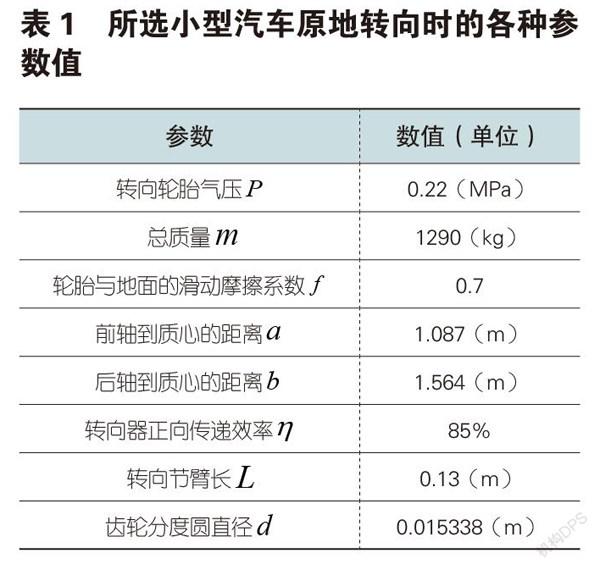


摘 要:电动助力转向系统(EPS)具有结构简单、装配灵活等优点得到广泛使用,在现有助力特性曲线的基础上,对电动助力转向系统的助力特性曲线进行了研究。结合所选的小型汽车的参数,分析了电动助力转向系统中转向力和助力电流之间的关系,确定了最大目标电流,得出了合理的助力特性曲线函数。为电动助力转向系统的设计提供应用依据。
关键词:助力转向系统 转向阻力矩 助力特性曲线
Application of Linear Power Assist Characteristic Curve in Electric Power Steering System
Zhang Siyi Gao Feng Luo Ying
Abstract:Electric power steering system (EPS) is widely used because of its simple structure and flexible assembly. Based on the existing power-assisted characteristic curve, the power-assisted characteristic curve of the electric power steering system has been studied. Combined with the parameters of the selected small car, the relationship between the steering force and the assist current in the electric power steering system is analyzed, the maximum target current is determined, and a reasonable assist characteristic curve function is obtained, which provides application basis for the design of electric power steering system
Key words:power-assisted steering system, steering resistance torque, power-assisted characteristic curve
1 引言
EPS系统能否成功的两大关键技术就是助力特性和控制策略,助力特性是决定控制器控制程序的关键[1]。行驶过程中,当方向盘转动时,ECU接收到来自传感器发送的转矩信号和车速信号,然后根据助力特性曲线决定助力电机的旋转方向和提供助力的大小,使驾驶员获得辅助转向力。
EPS的工作环境多变,又相当地复杂,助力电机转矩的波动、传感器生成的噪声、复杂路况的干扰这些因素都会影响到EPS的运作,这就对EPS控制策略设计的要求大大提高。EPS的控制主要包括助力控制、回正控制以及阻尼控制[2]。EPS最基本的控制模式是助力控制,在大多数情况下,汽车都是处于助力控制模式;回正控制主要是通过克服方向盘转动的摩擦,使车轮回正恢复直线位置,从而改善EPS的回正性能;当方向盘转动位置处于死区时,阻尼控制则会通过对方向盘阻力的加重,从而使驾驶员操作方向盘稳定。由于助力控制模式约占行驶过程中95%的时间,本文主要针对EPS的助力特性曲线应用展开分析。……
登录APP查看全文
