基于语义三角理论的佛教术语观
2022-07-08 13:32:28刘宇红
中国科技术语
2022年3期
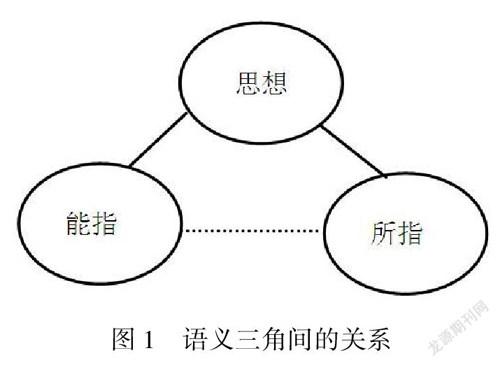
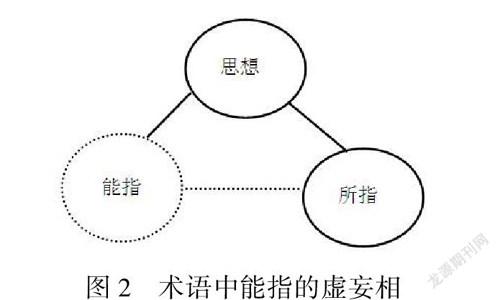
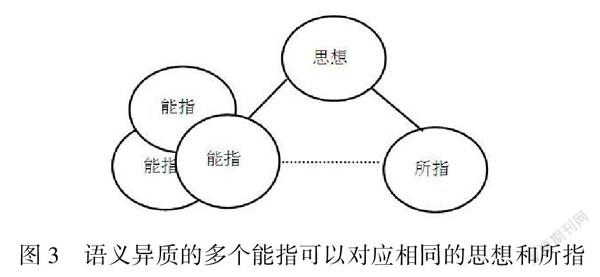
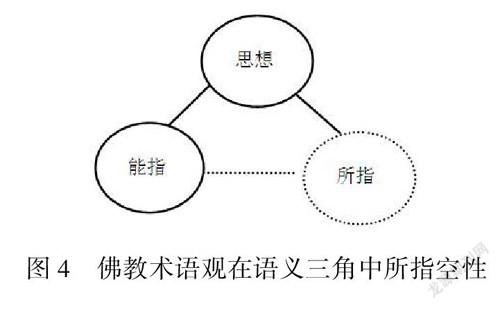

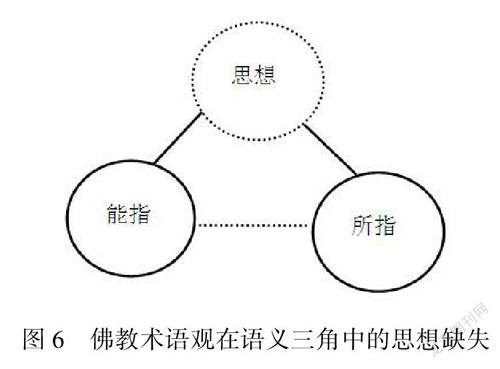
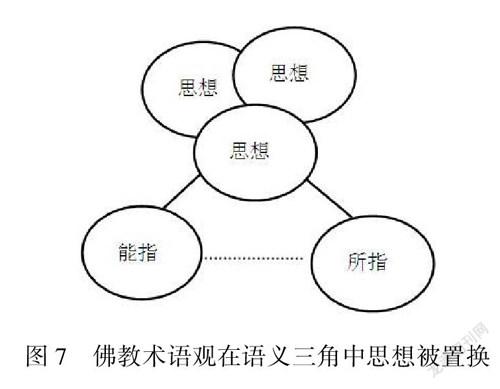
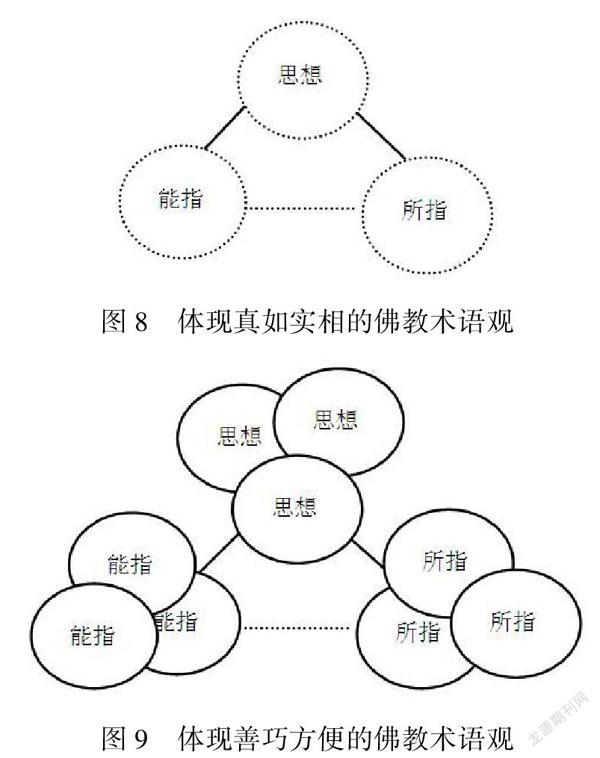

摘 要:佛教的术语观源于佛教的语言观,即佛教认为语言的本质是虚妄的,没有自性(即体性)。从语义三角理论出发,总结佛教的术语观,即能指与所指间、概念与所指间、概念与能指间都表现出不同于世俗语言学的符号关系。语义三角的三个位点都可以体现为虚妄相或多元可置换性。真如实相的术语观是三个位点都体现为虚妄相,部分位点的虚妄相和不同程度的多元可置换性都是佛菩萨顺应众生根基所采取的相应变通。
关键词:佛教术语;阿弥陀佛;语言虚妄本性;语义三角理论
中图分类号:B949;H083 文献标识码:A DOI:10.12339/j.issn.1673-8578.2022.03.004
Buddhist Outlook on Technical Terms from Perspective of Semantic Triangle Theory//LIU Yuhong
Abstract: Buddhist outlook on technical terms originates from its language outlook, that is, language is illusionary and has no ontological status. From the perspective of Semantic Triangle Theory, there are three types of semantic structures in Buddhist terms, namely, the interactions between signifier and signified, between concept and signifier, and between concept and signified, which are different from worldly linguistics. At any of the points in the triangle, there can be illusions or multiple substitutability. The truthful outlook of Buddhist terminology presents illusions at all points,while partial illusions or multiple substitutability at any level result from Buddhas’ or Bodhisattvas’ accommodations based on the All Life’s status of enlightenment.
Keywords: Buddhist technical term; Amitabha Buddha; linguistic illusions; semantic triangle theory
收稿日期:2021-04-23 修回日期:2021-09-30
基金項目:国家社会科学基金一般项目“语言学语域的释义元语言研究”(19BYY003)阶段性成果
引言
佛教术语是佛教“名言”的一部分。所谓“名言”就是“语言”,“名”指名字、名目,即本文所说的术语,“言”指言句、言说,是与术语有关的文本,包括经和咒。《成唯识论》云:“名诠自性①,句诠差别。”
佛教的名言观(即语言观)认为,语言是因缘和合而生,它表现的只是对象的影像,这种影像无有自性(即体性),因虚妄分别而生,只不过是假立施设的名目而已。既然语言是虚妄分别的产物,那么作为语言一部分的术语也必然是虚妄分别的。这是基于逻辑的推论。本文拟从术语的语义结构入手,探讨佛教术语具有哪些虚妄的本性,这些虚妄本性如何用现代语义学理论来表征。
1 佛教术语观的研究现状
此前的佛教术语研究,主要偏重于单一佛教经……
登录APP查看全文