基于社会主义核心价值观视域下的主流文化构建
2017-01-16 10:50:53李继奎何叶荣
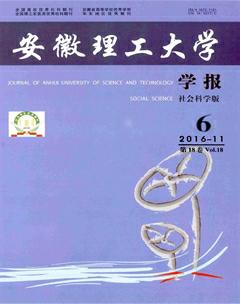
安徽理工大学学报·社会科学版
2016年6期
关键词:构建
李继奎 何叶荣
摘要:主流文化代表先进文化的前进方向,是一个社会和时代的精神支柱,体现一个国家根本价值取向。从社会主义核心价值观的视阈出发,阐述了社会主义核心价值观视阈下的主流文化构建对我国经济与社会发展的促进作用;分析了主流文化构建的主要影响因素;提出了以四项基本原则为准则、社会主义核心价值观为核心、引导“双创”为重点的社会主义主流文化构建原则;最后勾略出以整合文化产品、丰富主流文化的多元艺术形式、打造主流文化的传播渠道、借鉴发达国家的成功经验等主流文化构建的主要路径。
关键词:社会主义核心价值观;主流文化;构建
中图分类号:B27
文献标识码:A文章编号:
16721101(2016)06005405
Abstract:Mainstream culture, representing the direction of advanced culture, is the spiritual pillar of the society and era and embodies the basic value orientation of our country. From the perspective of socialist core values, this paper analyzes the positive role of the construction of mainstream culture in promoting our economic and social development and the major factors affecting the construction of mainstream culture. In this paper the principles underlying the construction are proposed which regard the Four Fundamental Principles as guidelines, the socialist core values as essence, entrepreneurship and innovation as focus. Finally, such paths for the construction of mainstream culture are outlined as the integration of cultural products, the diverse artistic forms to enrich the mainstream culture, the major dissemination channels for mainstream culture and learning from the advanced counterparts in the world.
Key words:socialist core values; mainstream culture; construction
纵观历史,无论在西方国家还是在东方国家,每个社会形态以及每个社会形态的不同历史阶段都有一种主流文化存在。主流文化是民族凝聚力的源泉,对政治、经济和社会的发展起着极其深刻的影响。因此,以社会主义核心价值观为指导,构建中国特色社会主义的主流文化,是摆在哲学社会科学工作者面前十分急迫的任务。
一、主流文化的内涵
什么是文化?最早J. Tunstall[1]通过“孤岛捕鱼”的实验研究,给出了文化的初始定义,即文化是指人类生存的方式;E. Durkheim[2]的研究也证明了同样的观点;A. Schutz[3]通过“居民小区迁入者”实验,研究了文化的动态发展历程,认为经社会成员与其所处情境的密切交互作用,进而建构出独特的文化内涵。……
登录APP查看全文
猜你喜欢
戏剧之家(2016年19期)2016-10-31 19:37:17
时代金融(2016年23期)2016-10-31 12:01:25
现代经济信息(2016年19期)2016-10-20 15:57:03
中国科技博览(2016年19期)2016-10-19 12:39:29
科技视界(2016年22期)2016-10-18 17:26:54
科学与财富(2016年28期)2016-10-14 02:04:18
科学与财富(2016年28期)2016-10-14 00:42:15
大学教育(2016年9期)2016-10-09 08:38:54
成才之路(2016年26期)2016-10-08 12:01:17
成才之路(2016年25期)2016-10-08 10:30:56