海量图书检索中的模糊目标确定技术
2017-07-08 03:46:10张艳菊
现代电子技术
2017年13期
张艳菊
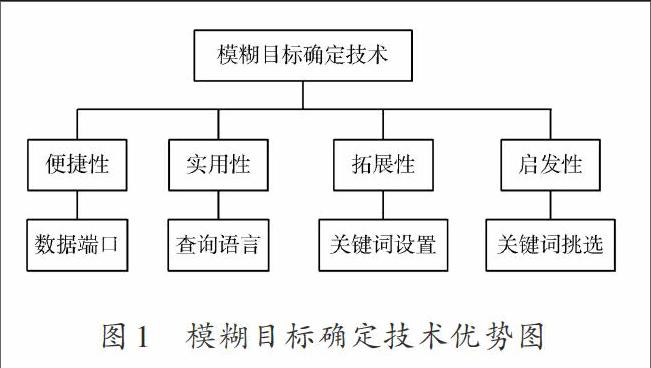

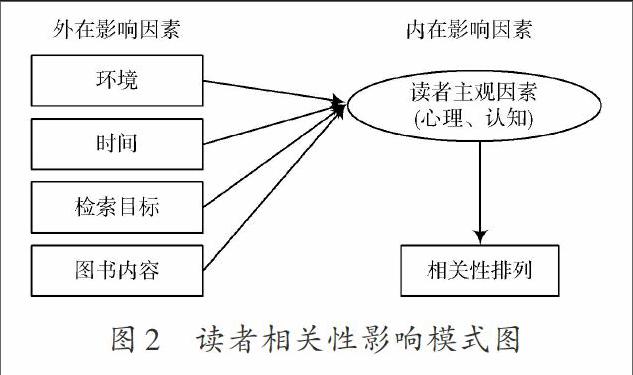
摘 要: 传统图书检索技术如人工检索和模糊目标确定模型对海量图书信息进行检索时,存在检索效率低和准确性差的弊端。因此,设计一种新的海量图书检索模糊目标确定模型,给出模糊目标确定技术的四大优势,引入读者相关性概念,利用检索相关模型和检索无关模型分别对模糊关键词进行内容检索,得到两种与读者相关性有关的检索排列结果,选择两种结果中模糊关键词性质比重较大的排列顺序实现检索输出。实验评估结果表明,所设计的模型检索结果符合读者需求,具有较高的检索性能。
关键词: 海量图书检索; 模糊目标确定技术; 排列; 读者相关性
中图分类号: TN911.1?34; TP391.3 文献标识码: A 文章编号: 1004?373X(2017)13?0137?04
Abstract: The traditional book retrieval technology, such as artificial retrieval and fuzzy target determination model, has the disadvantages of low retrieval efficiency and poor accuracy when it is used to retrieve the massive book information, therefore a new fuzzy target determination model for massive book retrieval was designed. Four major advantages of fuzzy target determination technology are given. The concept of reader relevance is introduced. The retrieval relevant model and query independent model are adopted to perform the content retrieval for fuzzy keywords respectively. Two retrieval arrangement results related with reader relevance are obtained, in which the arrangement sequence with high proportion of fuzzy keyword retrieval property is selected to realize the retrieval output. The experimental evaluation results show that the retrieval results of the model can meet the needs of readers, and the model has high retrieval performance.
Keywords: mass book retrieval; fuzzy target determination technology; arrangement; reader relevance
0 引 言
传统海量图书进行目标检索有两种人工方式:第一种是为图书粘贴写有图书分类以及内容信息的卡片,由读者在图书馆中浏览选择;另一种是利用掃描设备进行检索[1]。两种方法在索引中都要浪费大量时间,不能给读者带来优质的阅读体验,在进行海量图书信息卡片粘贴时成本较高,不利于图书馆长期盈利。信息是人们日常生活中最基本的沟通介质,就业、念书、购物、行路都离不开信息,信息时代的来临加速了经济与人文发展,不断为人们带来新的生活方式和文化理念。目前,纸质图书馆也渐渐受到信息时代的影响而向智能化方向发展,打破了海量图书人工检索的弊端,大大加快了检索效率。
根据以上情况,使用计算机技术解决传统检索方法比较适合信息时代发展。……
登录APP查看全文