云环境下基于蚁群算法的动态容错技术研究
2019-06-07 15:08:13王清雲邵清
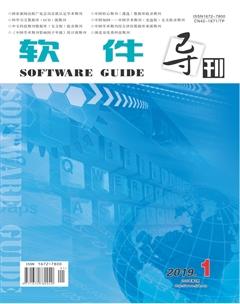
软件导刊
2019年1期
关键词:云计算
王清雲 邵清


摘 要:云计算环境下信息处理会产生海量而又至关重要的中间数据,服务器如果失效会导致中间数据丢失。可靠性保障能力不足不仅是云计算应用推广的主要障碍,而且还促使云计算环境下的容错技术研究成为一个亟待解决的问题。针对目前云计算环境下容错效率低、计算资源浪费等问题,提出基于蚁群算法的动态容错技术,利用任务重新提交、检查点技术和资源执行历史记录等方法,减少任务执行和处理时间,提高云计算成功率。实验结果表明,该技术改进了任务重新提交、检查点和扩展信息素更新公式,在任务分配和重新提交过程中,明显缩短了任务平均执行时间,提高了执行成功率。
关键词:云计算;容错算法;蚁群算法;检查点技术
DOI:10. 11907/rjdk. 181553
中图分类号:TP312文献标识码:A文章编号:1672-7800(2019)001-0073-04
Abstract: In the process of information processing in the cloud computing environment, massive and crucial intermediate data will be generated. If the server fails, it will lead to the loss of intermediate data. The lack of reliability guarantee capability will not only become a major obstacle to the promotion and application of cloud computing, but also induce the research of fault-tolerant technology in the cloud computing environment to become a problem demanding prompt solution. To solve the problems of low error efficiency and waste of computing resources in cloud computing environment, this paper proposes a dynamic fault tolerance technology based on ant colony algorithm, using tasks to resubmit new resources, checkpoint technology and resource execution history records to reduce tasks. Execution and processing time improve the success rate of the cloud computing environment. Experimental results show that the proposed algorithm improves task resubmission, checkpoints, and extended pheromone update formulas. In task allocation and resubmission, the average execution time of tasks is significantly shortened and the task execution success rate is improved.
0 引言
云计算是一个热门研究方向,许多企业都相继开发出自己的云端系统进行运算与研究。然而,只要是计算机就会发生错误[1]。在云计算中由于资源的高度动态性和异构性,使云计算平台较传统计算平台出错几率更高[2]。为减少发生错误所造成的损失,需要容错机制保证系统在故障情况下也能持续运行[3]。容错包括故障检测或识别、故障预测和故障恢复3个策略。故障检测或识别通常用于检测故障类型,然后用最合适的方案进行故障诊断。故障预测侧重于根据历史数据预测故障发生的概率,并应用合适的调度策略降低故障概率。……
登录APP查看全文
猜你喜欢
数字技术与应用(2016年9期)2016-11-09 22:56:18
数字技术与应用(2016年9期)2016-11-09 00:07:05
知音励志·社科版(2016年8期)2016-11-05 04:28:47
电脑知识与技术(2016年21期)2016-10-18 23:34:52
电脑知识与技术(2016年21期)2016-10-18 23:24:44
电脑知识与技术(2016年21期)2016-10-18 22:11:15
科技视界(2016年22期)2016-10-18 14:33:46
中国新通信(2016年16期)2016-10-18 10:49:17
大学教育(2016年9期)2016-10-09 08:54:03
科技视界(2016年20期)2016-09-29 13:34:06