来华高校留学生中华文化认同教育探析
2020-08-06 10:34:50纪超凡
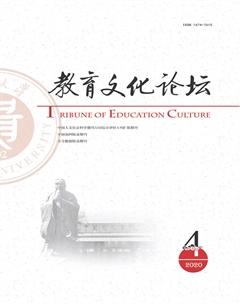
教育文化论坛
2020年4期
关键词:现状分析
纪超凡
摘 要:来华留学生认同中华文化,有助于“一带一路”的建设和人类命运共同体的形成。针对当下来华留学生接触中华文化出现的文化休克、文化冷漠等问题,本文认为:对来华留学生的教育,需要强调中华文化内容的共性与特色,通过校园、城市、国家的叠加教育场域,运用理论教育与实践教育相结合的方法,有效提升来华留学生对中华文化的认同,培养“一带一路”建设所需的知华、友华和爱华人士。
关键词:来华留学生;中华文化认同;现状分析;教育路径
中图分类号:G641 文献标识码:A 文章编号:1674-7615(2020)04-0081-05
DOI:10.15958/j.cnki.jywhlt.2020.04.013
Abstract:The identity of international students to Chinese culture is helpful to the “Belt and Road” construction and the formation of human destiny community. In view of the problems of cultural shock and cultural indifference in the current exposure of Chinese students to Chinese culture, this paper holds that the education of foreign students in China needs to emphasize the commonality and characteristics of Chinese cultural content. Through the overlapping educational fields of campus, city and country, the combination of theoretical education and practical education is applied to effectively enhance the identity of Chinese culture by foreign students coming to China, ultimately cultivating people who know China, are friendly to China and care for China, for the construction of the “Belt and Road” initiative.
Key words:international students in China; the identity of Chinese culture; analysis of current situation; ways of education
隨着我国国际交流的深入,来华留学生的数量与日俱增,这是改革开放提升了国家吸引力的表现。但我国整体实力在稳步上升的同时,也面临国际上的一些质疑与挑战。培养来华留学生对中华文化的认同,可以培养更多知华、友华、爱华的国际人士,有助于我国应对国际挑战,积极推动人类命运共同体的共建。
一、培养来华留学生中华文化认同的重要性和可行性 文化是人们在与自然交换产物、与他人交互合作、自我镜像反思的过程中形成的具有地域特色的习惯性思维。文化认同是人类对文化的倾向性共识与认可,它可以支配人类行为的思维准则与价值取向[1]。全球化时代,不同地区文化不断融合形成新的文化,同时,地区的沟通也容易造成不同文化之间的冲突。寻找地区文化认同与全球文化认同的契合点,形成全球文化共识,可以有效避免冲突,使地区文化找到其应有的归属,有利于全球人类和平相处、共同发展。……
登录APP查看全文
猜你喜欢
体育时空(2016年8期)2016-10-25 19:08:38
经营者(2016年12期)2016-10-21 08:07:29
现代经济信息(2016年19期)2016-10-20 18:45:18
现代经济信息(2016年19期)2016-10-20 18:08:21
中国科技博览(2016年18期)2016-10-19 11:04:01
中国科技博览(2016年18期)2016-10-19 08:20:44
中国市场(2016年33期)2016-10-18 12:26:40
现代园艺(2016年17期)2016-10-17 08:51:19
现代园艺(2016年17期)2016-10-17 07:28:22
大众理财顾问(2016年9期)2016-10-11 17:04:21