基于语义兴趣地图的科技文献个性化推送
2021-01-03 11:55:08陈祖琴葛继科蒋勋
新世纪图书馆
2021年11期
陈祖琴 葛继科 蒋勋
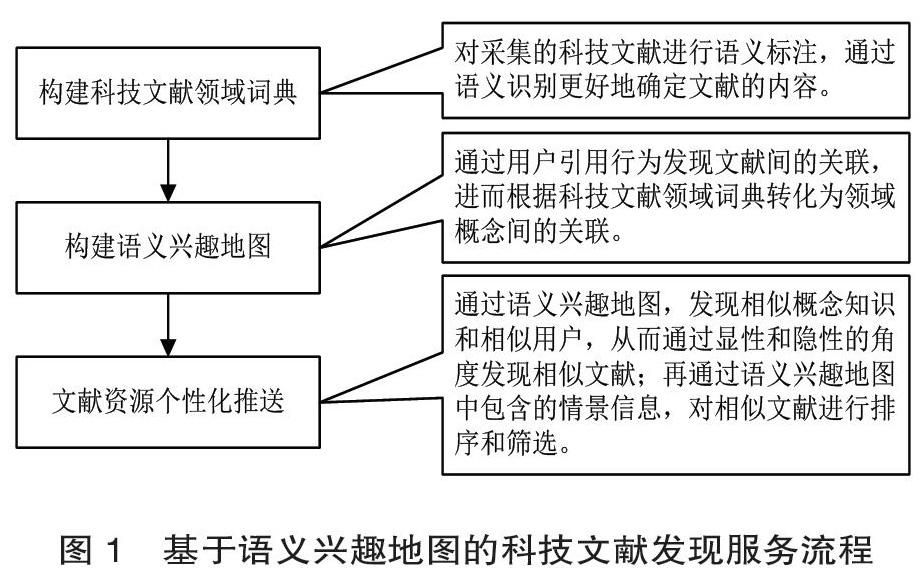
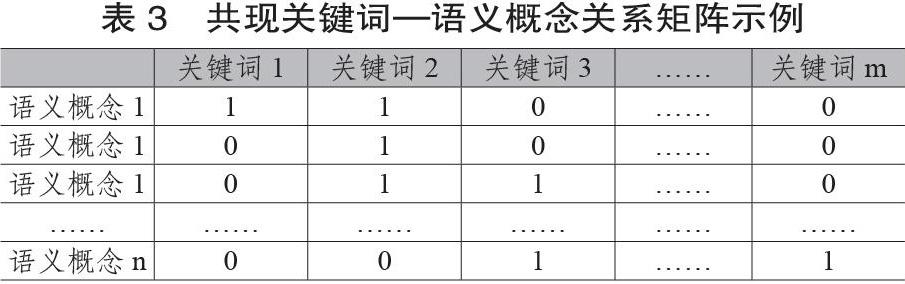

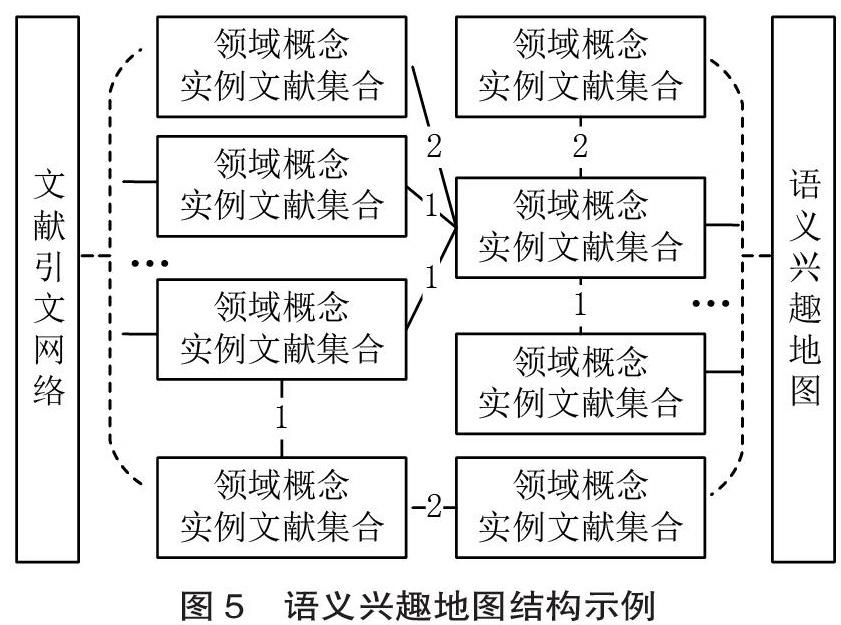


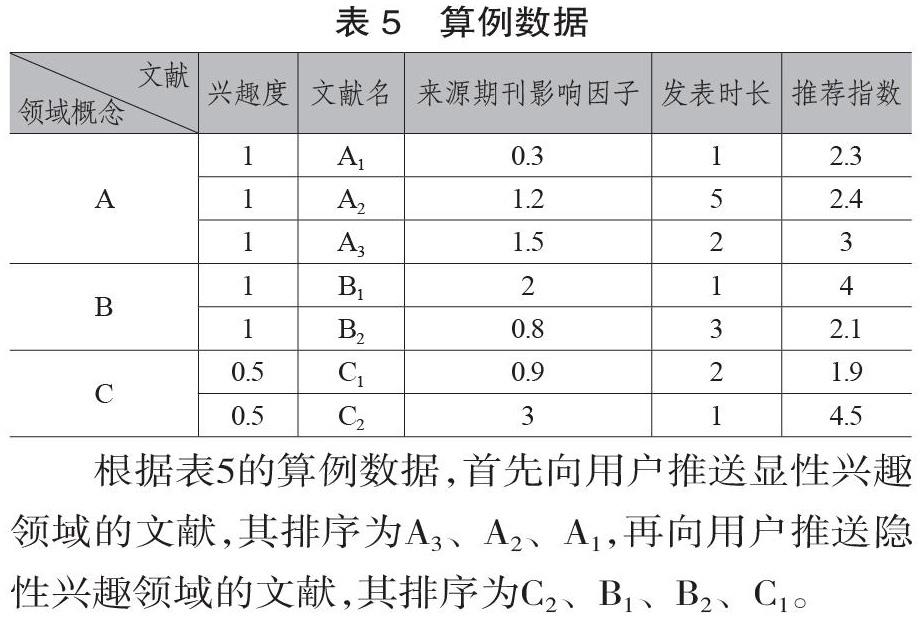

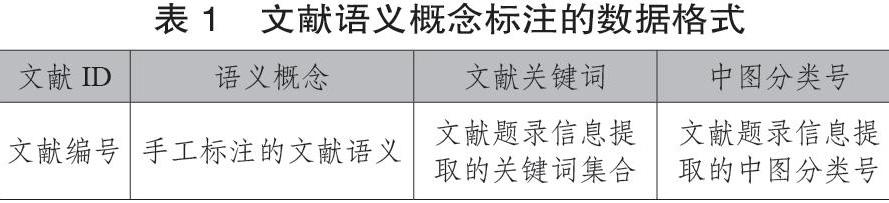
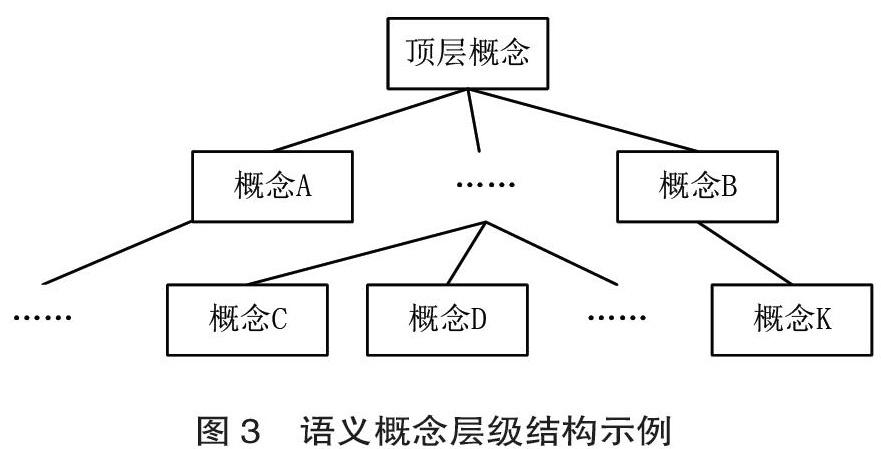

摘 要 为文献的引用关系赋予语义,通过用户对某篇文献的兴趣,发掘用户对这篇文献所属概念领域的兴趣,实现从引文网络到概念知识网络研究的升级,从而同时从内容、用户、情景的角度进行文献个性化推送。通过构建科技文献领域词典标注文献语义,从内容角度进行推送;构建语义兴趣地图关注用户兴趣,从用户协同角度进行推送;结合文献发表时长、来源等情景信息计算推荐指数,从情景角度进行推送。
关键词 语义兴趣地图 科技文献推送 个性化推送
分类号 G350
DOI 10.16810/j.cnki.1672-514X.2021.11.009
Abstract This paper first studies giving the semantic meaning to the citation relationship of the literature. Through the user’s interest in a certain document, exploring the user’s interest in the concept domain, and upgrading the research on the citation network to the concept knowledge network. Then carrying out personalized scientific literature recommendation from the perspective of content, user and situation at the same time. Through construction scientific literature domain dictionary, annotate the semantic of literature, so as to recommendation from the perspective of content. Through building semantic interest map to focus on user interest, so as to recommendation from the perspective of user collaboration. Through calculating recommendation index based on the time of literature publication, literature source and other situational information, so as to recommendation from the perspective of circumstances.
Keywords Semantic interest map. Scientific literature recommendation. Personalized recommendation.
0 引言
隨着各学科领域科研成果的持续增长,在各类出版物上所发表的科技论文数量也一直处于持续增长中。据Web of Science 数据统计,近十年我国科研人员发表SCI论文总数已累计339.7万篇。然而科技文献激增的同时,也导致大量的有用文献被淹没,研究价值得不到承认。比如,在自然科学学科,发表五年后仍然未被引用过的数学领域的文章占到三分之一,化学领域也有10% 左右[1]。而在社会科学领域,这一现象更加明显,人类学领域的文献零被引比例高达 90% 以上[2]。Raan等的研究显示零被引论文中也不乏潜在“精品”[3],科学界中的“迟滞承认”现象和“睡美人”现象[4-6]表明,暂时未被发现和承认的科技文献往往蕴含着重大科学发现。科研人员的精力是有限的,如何快速地从主题复杂、数量庞大、质量参差的文献资源中获取感兴趣的学科领域文献成为科研人员面临的共同难题。……
登录APP查看全文