黄河河口入海流路的稳定类型和改道阈值体系
2021-03-28 11:49:17王开荣杜小康韩沙沙
人民黄河
2021年3期
王开荣 杜小康 韩沙沙
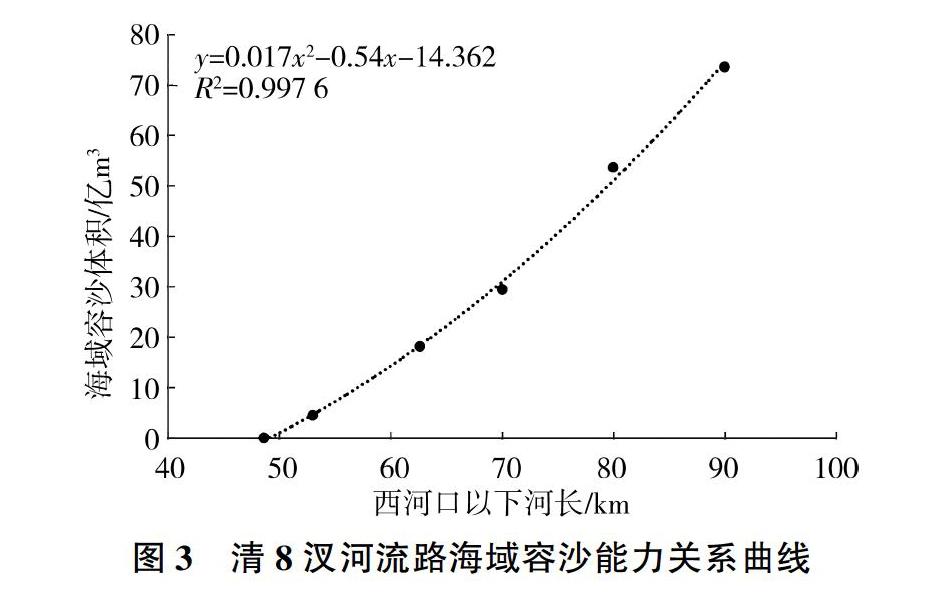
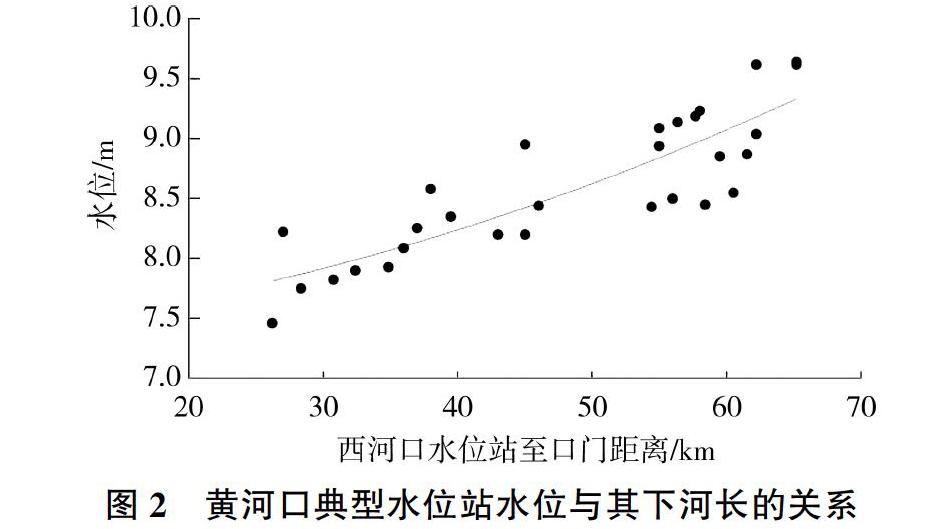
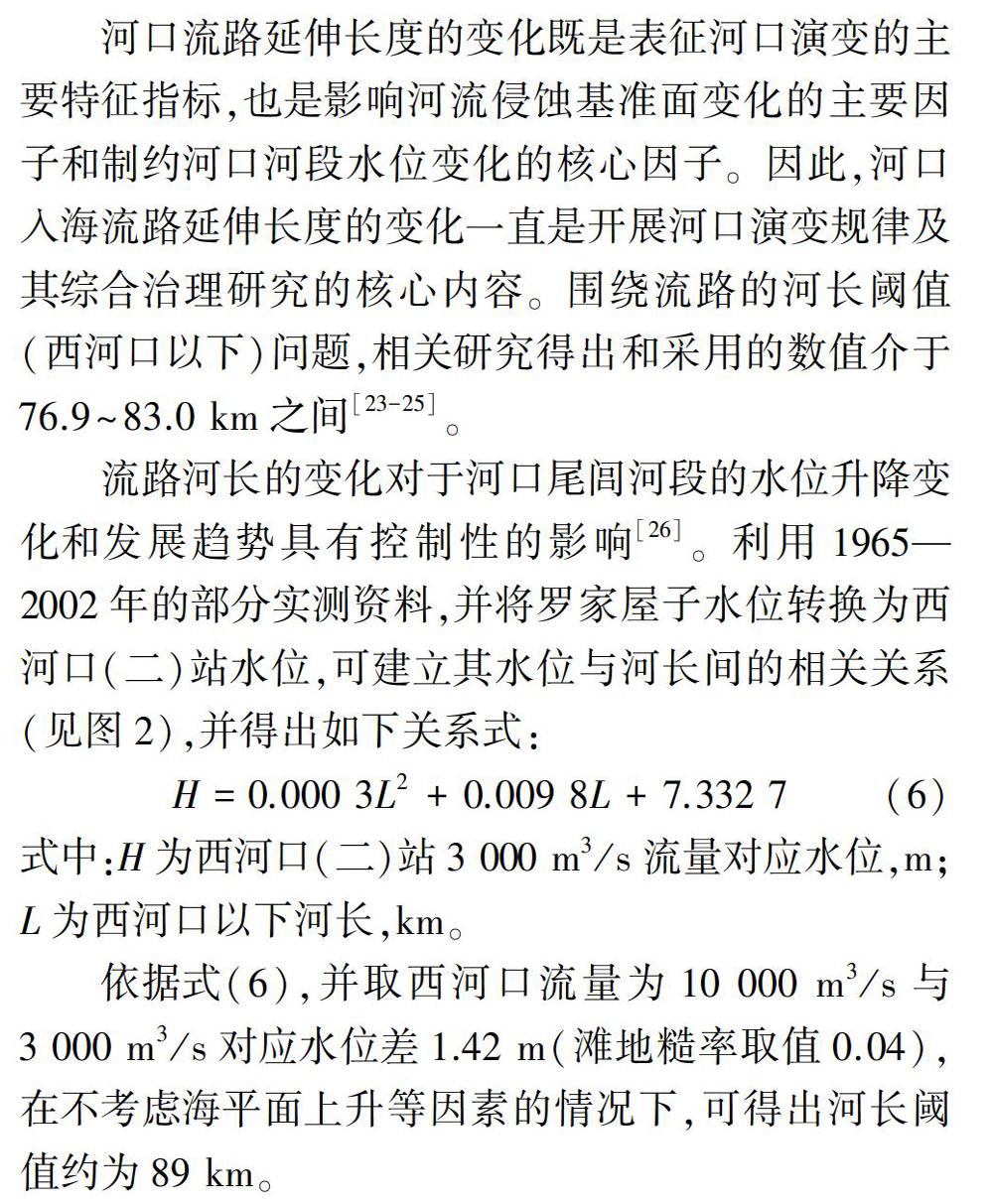
摘 要:对黄河河口入海流路的稳定类型进行分类整理和概括总结,简要回顾其人工改道标准阈值的演化和确定过程,初步构建入海流路实施改道的阈值体系,利用实测资料对典型流量级改道水位阈值、河长阈值、海域容沙阈值及其河口容许累计来沙量阈值进行了论证分析和计算。结果表明:现状流量为3 000 m3/s的改道水位阈值为10.58 m,河长阈值约为89 km,海域容沙阈值约为72.19亿m3,相应的利津站累计来沙量阈值约为120.65亿t。
关键词:河口;流路;稳定类型;阈值体系;黄河
Abstract:This paper classified, sorted and summarized the stability types of the Yellow River estuarine channel into the sea and briefly reviewed the evolution and determination process of the standard threshold of artificial avulsion. In addition, the threshold system for the implementation of the flow path avulsion into the sea was initially constructed. The threshold value of water level, river length, sea area sediment capacity and the threshold value of allowable cumulative sediment volume in estuary were analyzed and calculated by the measured data. The results show that the threshold of current water level is 10.58 m when the current flow reaches 3 000 m3/s, the threshold of river length is 89 km, the threshold of sea area sediment capacity is 7.219 billion m3 and the corresponding threshold of cumulative sediment inflow at Lijin Station is about 12.065 billion tons.
Key words: estuary; channel; stability types; threshold system; Yellow River
黃河河口入海流路的稳定问题一直是众多学者所关注的重要课题,其治理实践有特定的涵义[1]。众所周知,“淤积、延伸、摆动、改道”是黄河河口在一定水沙条件下的自然规律。这一自然规律是黄河河口入海流路难以在平面区域位置保持稳定的具体表现,其中蕴含着不同类型的稳定问题,亟待给予明确;同时,现有的稳定改道阈值单纯用水位特征值作为标准,有一定的局限性,并给人工有计划改道的具体实施带来诸多困扰[2] 。因此,如何在西河口(二)站流量为10 000 m3/s的水位达到12 m(大沽高程)这一改道水位阈值的基础上,进一步补充和提出其他相关阈值指标,进而形成相对完善的黄河河口入海流路稳定阈值体系,也同样值得研究。
1 河口流路的稳定类型和阈值指标
黄河河口地处陆、海相动力综合作用的区域,其演变过程十分剧烈和复杂,既具有冲积性河流演变的基本特征,又受海洋动力因素的显著影响。……
登录APP查看全文