
北朝隋代服饰刻画平结图像及其西方来源
2021-06-15 00:25:54李秋红
敦煌研究
2021年2期
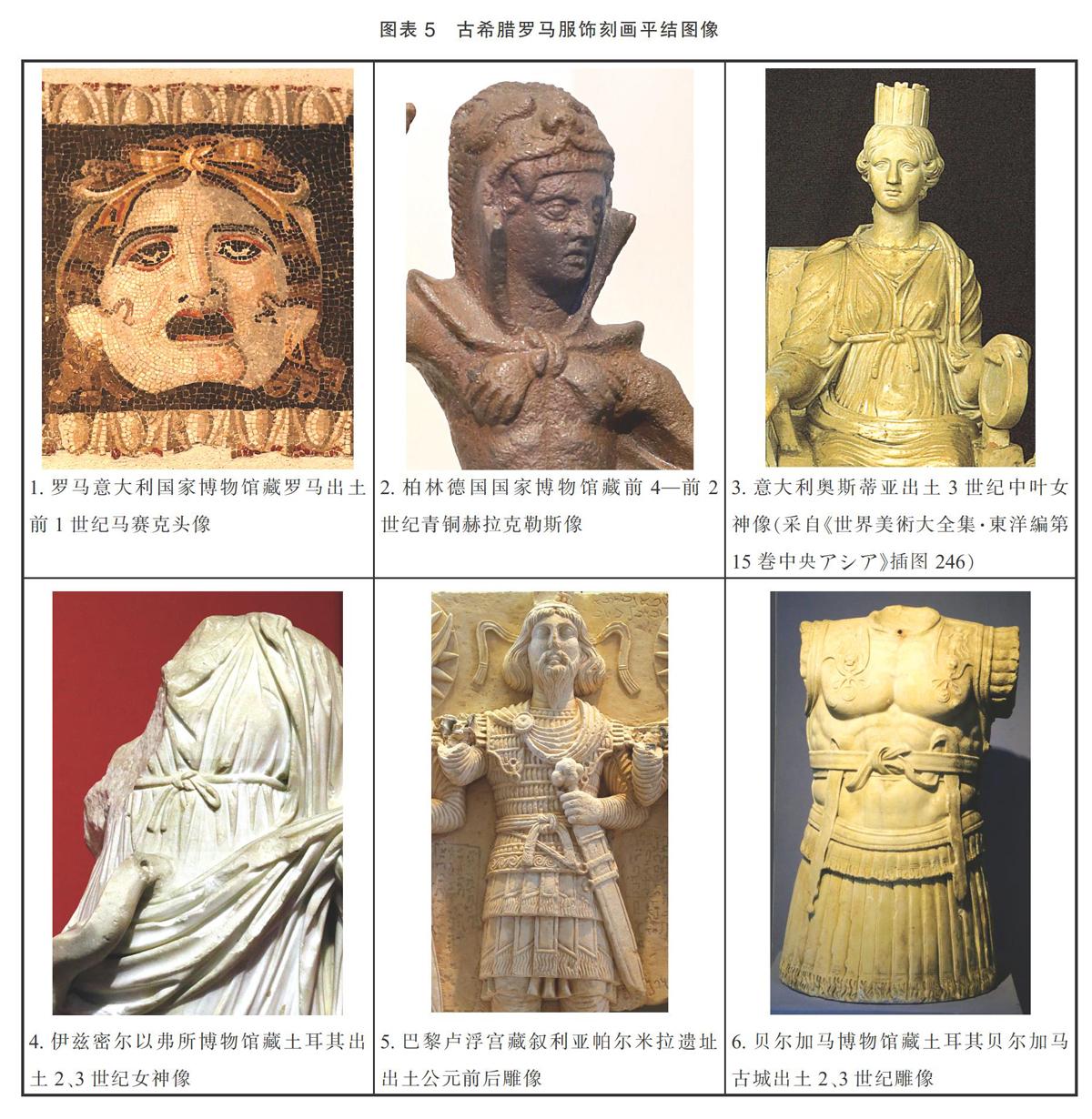
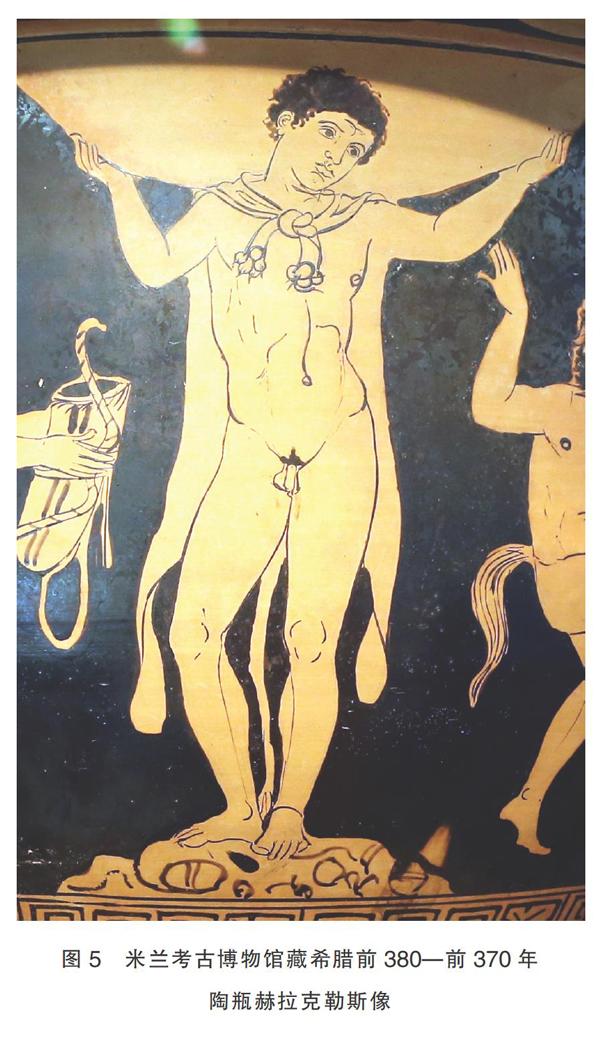
内容摘要:平结,又称赫拉克勒斯结,由一对方向相反的单结组成,以同侧绳带同上或同下为特征。汉地服饰平结图像于北魏中晚期之际出现后缓慢发展,北齐、北周至隋代迅速发展,分布在中原北方经济文化相对发达区域。大多见于佛陀、菩萨、守护神等佛教造像,少许存在于道教及其他造像,施用于胸带、腰带、帔帛、璎珞等。这种图像创始于古埃及,在古希腊罗马获得较大发展,希腊化时期传入西北印度与中亚,之后继续东传,成为北朝隋代服饰表现的特殊因素。
关键词:北朝隋代;服饰;平结;赫拉克勒斯结;古希腊罗马
中图分类号:K892.23 文献标识码:A 文章编号:1000-4106(2021)02-0097-15
Research on Northern Dynasties and Sui Dynasty Images of
Flat Knots and the Western Origins of This Type of Dress
LI Qiuhong
(Academy of Arts & Design, Tsinghua University, Beijing 100084)
Abstract:The flat knot, also known as the Hercules knot, consists of a pair of single knots tied in opposite directions with all the knots on the same side of a rope facing either upward or downward. The flat knot appeared in depictions of Chinese costumes in the mid to late Northern Wei dynasty, developed gradually and eventually became widely used in the relatively well-developed regions of the Central Plains during the Northern Qi, Northern Zhou and Sui dynasties. Most examples of this knot have been found on the chest straps, waist bands, capes and jade necklaces of Buddhist statues of Buddhas, Bodhisattvas and guardian deities, while some have also been found in Taoist and folk statuary. The flat knot originated in ancient Egypt and was adopted in ancient Greece and Rome before being spread to Northwest India and Central Asia during the Hellenistic period. It continued traveling eastward and eventually entered China, where it became characteristic of the costume decoration of the Northern Dynasties and Sui dynasty.
Keywords:Northern Dynasties and Sui dynasty; costumes; flat knot; Hercules knot; ancient Greece and Rome
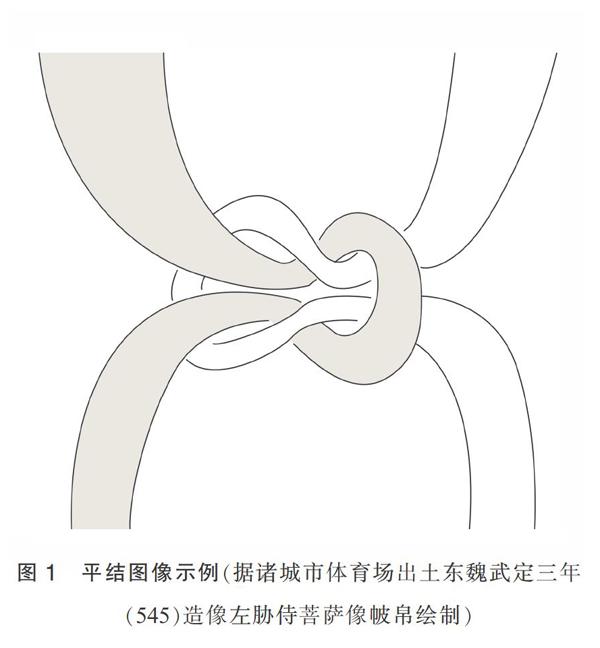
在北朝隋代人物像服飾中,存在一种特殊系结方式,其绳结由方向相反的两个单结构成,在打结处同侧绳带以同上或同下方式处理(图1),习称平结,西方名为赫拉克勒斯结(Hercules knot)。
中国学者王芳已识别出西域陶罐纹样中的平结图像,敏锐指出为古希腊罗马文化中的赫拉克勒斯结,并简要探索了其西方来源[1]。日本学者田边胜美注意到犍陀罗弥勒菩萨像腰带平结,认为与婆罗门教入门仪式所着腰纽相当,具有辟邪意味[2]。事实上,该结在汉地人物像服饰上多有发现,同样可以追溯到地中海地区,迄今未能引起学者注意。北朝时期伴随着印度佛教文化,古希腊罗马平结图像传入汉地,广泛应用于佛教造像,并扩展到道教和其他造像,成为人物服饰的重要装饰元素。然而,这种元素一直被视为无所区别于汉文化的寻常带结,更没有人追踪其来龙去脉。……
登录APP查看全文
