
基于三维卷积神经网络的肺结节分类
2021-10-07 06:24:32王卫兵王卓徐倩孙宏
哈尔滨理工大学学报
2021年4期
关键词:深度学习
王卫兵 王卓 徐倩 孙宏
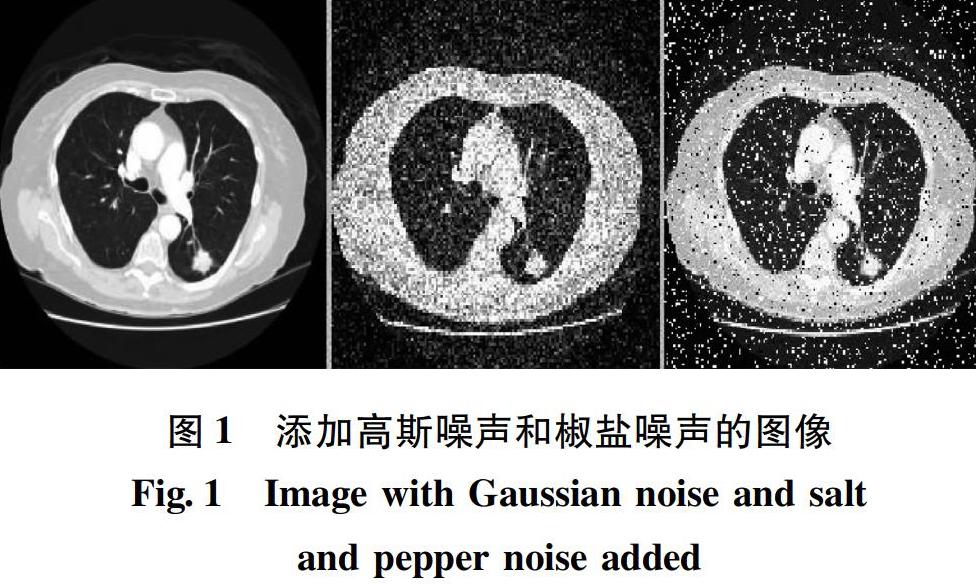
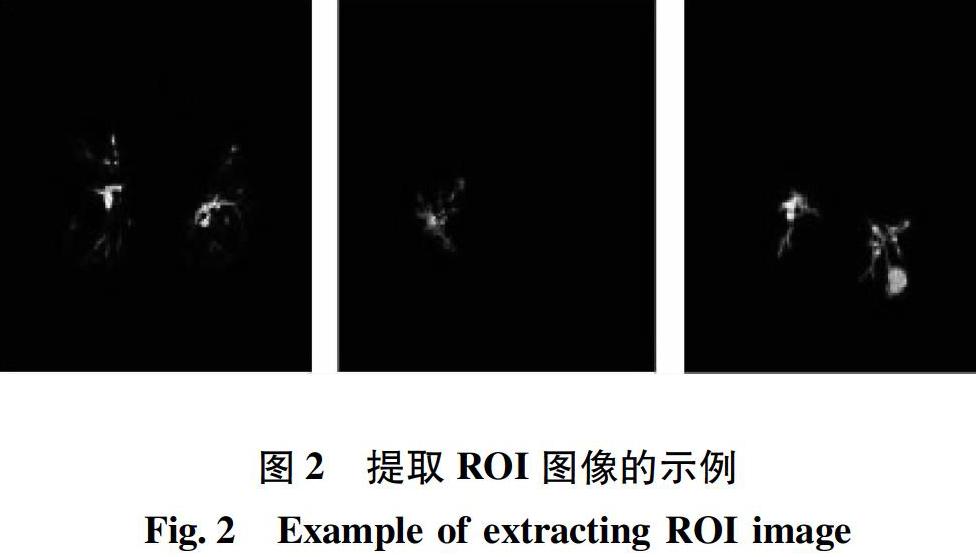
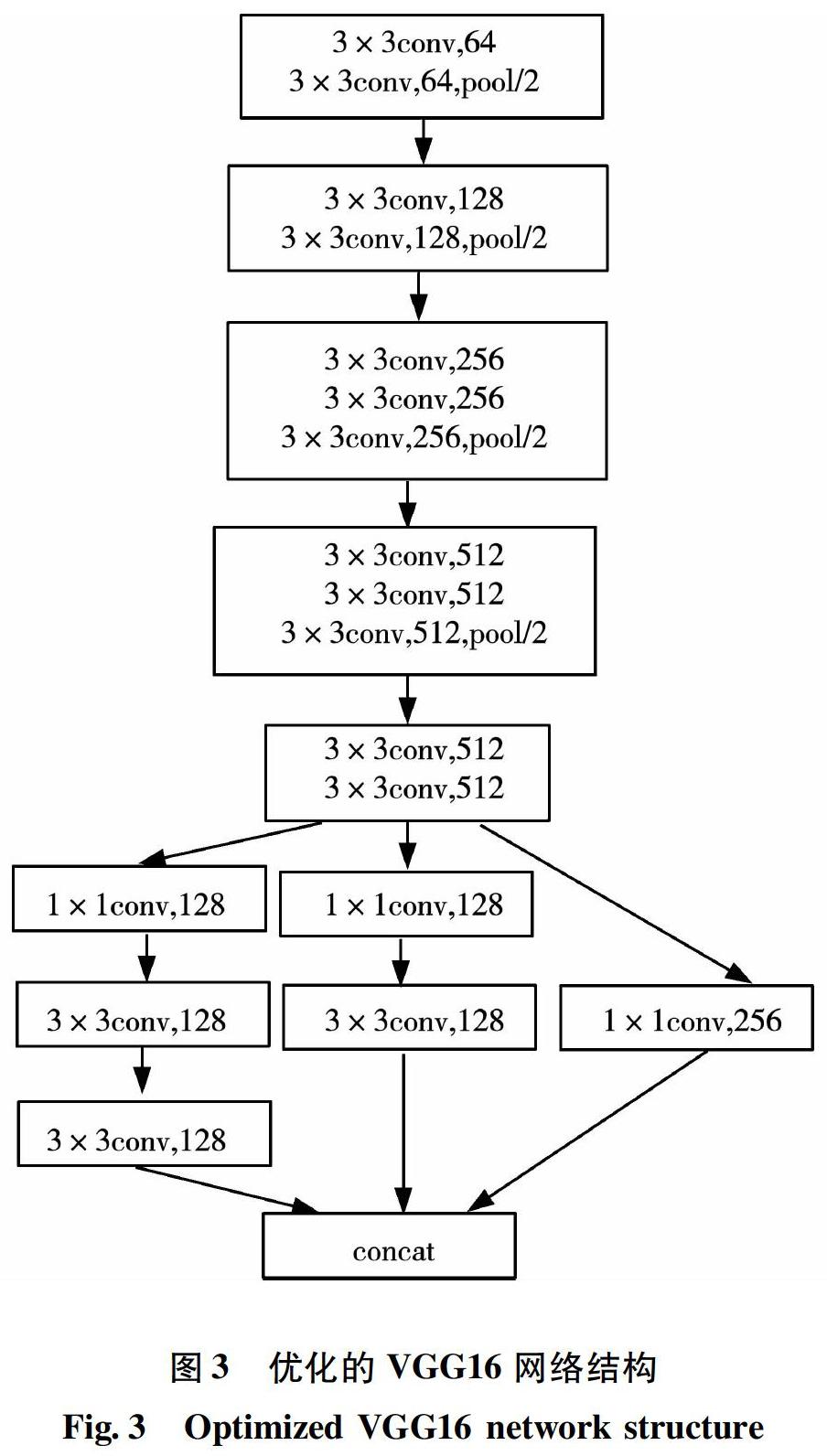
摘 要:为提高不易分割诊断的毛玻璃结节的分类准确率,同时针对VGG16网络结构卷积层数深,参数多的问题,提出一种基于灰度增强、纹理和形状滤波增强的三维深度卷积神经网络用于肺结节分类。对VGG16网络结构进行优化,提出的模型在肺结节公开数据集LIDC-IDRI上进行训练和测试。结果表明,采用灰度增强、纹理和形状滤波增强相结合的方法图像分类精度最高,准确率为91.7%,其他评价指标包括敏感性和特异性也略有提高,优于现有方法。
关键词:肺结节;深度学习;卷积神经网络
DOI:10.15938/j.jhust.2021.04.012
中图分类号:TP391.41
文献标志码:A
文章编号:1007-2683(2021)04-0087-07
Abstract:In order to improve the classification accuracy of ground glass nodules that are difficult to segment and diagnose and at the same time, the VGG16 network structure has deep convolutional layers and many parameters, A 3D deep convolutional neural network based on intensity, texture, and shape-enhanced images for pulmonary nodule recognition was proposed. The VGG16 network structure was optimized, and the proposed model was trained and tested on the public nodule dataset of lung nodules LIDC-IDRI. The results showed that the proposed method using the composition of intensity, texture and shape-enhanced has the highest image classification accuracy, with an accuracy of 91.7%. Other measures, including sensitivity and specificity, also improved slightly, It is superior to existing methods.
Keywords:pulmonary nodule;deep learning;convolutional neural network
0 引 言
国际癌症研究机构制定的癌症发病率和死亡率报告显示,肺癌是最常见的癌症,且是死亡率较高的癌症之一[1]。中国人口众多,肺癌的发病率和死亡率同样居高不下,我国男性肺癌发病率和死亡率均排名前列[2]。引起肺癌的原因除了遗传因素外,主要与大气污染、大量吸烟、工作压力和精神因素有关。早期准确的诊断在肺癌治疗中起着重要的作用。然而,由于良性和恶性肺结节之间的细微差别,即使对于医学专家来说,肺癌诊断也是一项艰巨的任务。此外,放射诊断的准确性也各不相同,在很大程度上取决于临床医生的主观经验。计算机辅助诊断(computer aided diagnosis,CAD)是指通过医学图像处理技术以及其他可能的生理、生化手段,结合计算机的分析计算,辅助发现病灶,可以有效降低误诊概率和提高诊断准确率。因此,为了降低医生的误诊概率以及减少医生的工作压力,需要发展计算机辅助诊断系统,以帮助医生对肺结节检测作出正确诊断,进行针对性治疗,提高治愈几率具有重要意义。……
登录APP查看全文
猜你喜欢
中国教育技术装备(2016年19期)2016-12-27 19:23:52
中国远程教育(2016年11期)2016-12-27 18:07:31
现代商贸工业(2016年25期)2016-12-26 09:58:02
江苏教育·中学教学版(2016年11期)2016-12-21 11:45:08
江苏教育·中学教学版(2016年11期)2016-12-21 11:36:29
现代情报(2016年10期)2016-12-15 11:50:53
考试周刊(2016年94期)2016-12-12 12:15:04
新教育时代·教师版(2016年23期)2016-12-06 06:02:38
法制与社会(2016年32期)2016-12-01 15:25:53
软件导刊(2016年9期)2016-11-07 22:20:49
