
超临界水协同处理镍废水与生物质废弃物
2021-11-02 07:28:12杨景
粘接
2021年10期
杨景
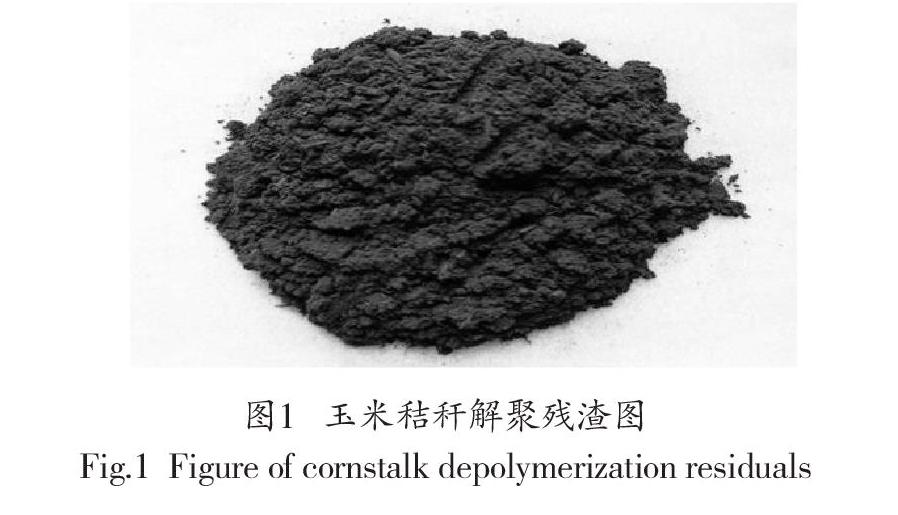

摘 要:文章研究了超临界水气化生物质废弃物和镍回收。研究中,以玉米秸秆解聚残渣为生物质废弃物,与模拟的含镍废水在650℃和22.5MPa下进行同时处理。研究表明,镍废水中镍离子的浓度对玉米秸秆解聚残渣的气化效果有显著影响,当镍离子浓度达到2.5mmol/ml时,0.1g玉米秸秆解聚残渣的碳气化率达到99.8% ,CO2为主要产气;且反应后固体残渣为镍单质及氧化镍,镍离子回收率接近100%。在这个过程中,玉米秸秆解聚残渣被氧化,镍离子被还原,且并未额外加入氧化剂或者还原剂。因此,生物质废弃物与重金属离子废水的协同处理可用于生物质的气化和废水中重金属离子的回收。
关键词:超临界水气化;玉米秸秆解聚残渣;镍废水;镍回收;协同处理
中图分类号:X712 文献标识码:A 文章编号:1001-5922(2021)10-0037-05
Simultaneous Treatment of Nickel Wastewater and Biomass Waste with Supercritical Water
Yang Jing
(Shaanxi Institute of Technology, Xi an 710300, China)
Abstract:This paper studies the supercritical water gasification of biomass waste and nickel recovery. In this research, the depolymerization residue of corn stover was used as biomass waste, and the simulated nickel-containing wastewater was treated simultaneously at 650℃ and 22.5MPa. Studies have shown that the concentration of nickel ions in nickel wastewater has a significant impact on the gasification effect of corn stalk depolymerization residue. When the nickel ion concentration reaches 2.5 mmol/ml, the carbon gasification rate of 0.1 g corn stalk depolymerization residue reaches 99.8% , CO2 is the main gas produced; and the solid residue after the reaction is nickel elemental and nickel oxide, and the nickel ion recovery rate is close to 100%. In this process, the depolymerization residue of corn stover is oxidized and nickel ions are reduced, and no additional oxidizing or reducing agent is added. Therefore, the co-processing of biomass waste and heavy metal ion wastewater can be used for the gasification of biomass and the recovery of heavy metal ions in wastewater.
Key words:supercritical water gasification;corn stalk depolymerization residual;nickel wastewater;nickel recovery;synergetic effect
0 引言
超臨界水气化技术(SCWG)是处理煤、生物质、有机废弃物,例如鸡粪[1]、垃圾渗滤液[2]、废旧轮胎[3]等的一种清洁有效的方式。通常,以加入催化剂的方式来促进有机物的气化及获得更高的包含H2、CH4或CO2的气体产量,由于金属能促进煤、生物质及有机废弃物的气化而成为SCWG的一种有效的催化剂[4-5]。其中,镍催化剂能显著提高有机物的气化率、氢气产量及抑制焦油形成,从而成为SCWG过程的常用催化剂[6]。
至今为止,金属加工、石油化工及核工业中产生的重金属废弃物很难被有效降解,而成为废水中的主要污染物,严重影响人体健康,比如,镍。之前学者通过蒸馏、化学吸收、过滤等方法移除重金属污染物[7-9],但这些传统处理方式存在一些缺陷,例如溶剂成本高、处理周期长、产品纯度不高等[10-12]。……
登录APP查看全文
